
Original briefings. Zero spin.
Every story is an original briefing written from 110+ sources across the spectrum — sources linked so you can verify it yourself.
 health
Notable (6/10)
August 27, 2026 at 09:51 PM
health
Notable (6/10)
August 27, 2026 at 09:51 PM
Nearly a Third of Women in Their 20s Have Never Been Screened for Cervical Cancer, Study Finds
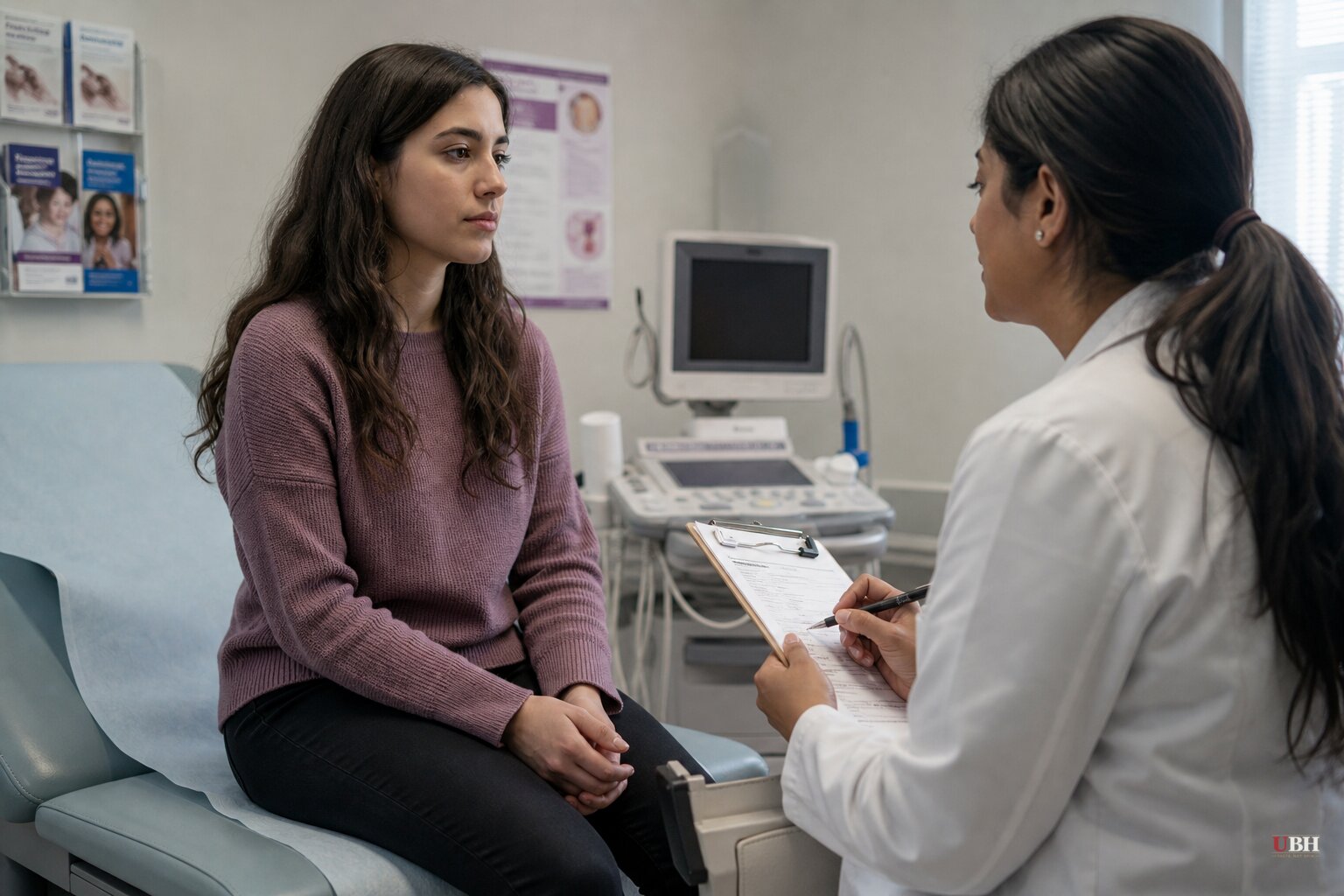
Cervical cancer screening is one of the great success stories in American medicine. A Pap smear costs a fraction of what chemo does. It catches cell changes years before they turn into cancer. And yet, according to a study published this week in JAMA Network Open, women in their 20s are walking away from it in droves.
Kalyani Sonawane, PhD, of the Medical University of South Carolina's Hollings Cancer Center, led the research. Her team pulled data from nine cycles of the National Health Interview Survey between 2005 and 2023. The number they found should worry anyone who cares about preventable disease: the share of women ages 21 to 29 who reported never being screened for cervical cancer rose from 12.5% in 2005 to 31.9% in 2023. That's an average annual increase of 5.2%, and it got worse after 2010, climbing at nearly 8% a year.
Women ages 30 to 65 aren't doing much better. Never-screened rates in that group rose from 5.3% to 14.8% over the same period, according to the study.
This isn't a survey about who's "up to date" on their screenings. Sonawane was specific about that distinction. "This paper is slightly different because it measures the proportion of women who reported that in their lifetime, they've never received screening," she said, according to Hollings Cancer Center's own report on the findings. That's a meaningfully worse number than a missed annual appointment. These are women who have never once been checked.
The cancer numbers are moving too
While screening rates fell, cervical cancer didn't stay still. Using U.S. Cancer Statistics data, the researchers found that regional-stage cervical cancer incidence rose 2.3% per year and distant-stage, meaning the cancer has spread, rose 2.6% per year among women ages 30 to 64 since 2017.
Sonawane and her co-authors were careful, and outlets covering the study were careful too, to note the study wasn't designed to prove that falling screening rates caused the rise in later-stage diagnoses. Correlation isn't causation, and the researchers flagged it as an area needing more research, not a settled conclusion. That's the honest, unresolved part of this story: nobody has proven the mechanism yet, even though the timing lines up in a way that demands attention.
Why is this happening? Nobody's sure
Sonawane told Hollings researchers her team doesn't actually know why the unscreened rate keeps climbing. In earlier, unpublished work, they asked women directly why they skipped screening. The most common answers: no particular reason, or their doctor never brought it up.
This isn't primarily a story about women refusing care over fear or ideology. According to the researchers' own account, a huge chunk of this gap traces back to doctors not mentioning it and patients not being told they needed it. That's a systems failure, not a personal one.
Sonawane also raised a theory worth taking seriously: some HPV-vaccinated women may believe the vaccine means they don't need screening anymore. It doesn't. Guidelines from the U.S. Preventive Services Task Force still call for cervical cancer screening in average-risk women ages 21 to 65, regardless of vaccination status. The American Cancer Society recommends starting at 25. Vaccination and screening are two separate layers of defense, not a one-or-the-other choice, and if that message isn't getting through, that's a public health communication failure worth naming.
The vaccination numbers themselves aren't great either. HPV vaccination among women 21 to 29 ranged from just 5.7% in 2008 up to 54% in 2019, according to the study. Even generously read, that means roughly 45% of women in their 20s are unvaccinated. Combine that with rising non-screening, and you get a growing slice of young women with zero layers of protection against a cancer that's largely preventable.
Who's falling through the cracks
The gaps aren't evenly distributed. According to Hollings Cancer Center, uninsured women, women in the South, and racial minorities were especially likely to have never been screened. That tracks with a broader, well-documented pattern in American healthcare: access problems cluster around insurance status and geography, not random chance.
This data is self-reported. The NHIS relies on women accurately recalling whether they've ever had a Pap smear or HPV test, and the researchers themselves acknowledge some women may simply misremember. That's a real limitation. The trend line has held steady across nine survey cycles and 18 years.
None of the four write-ups on this study—MedPage Today, News Medical, Hollings' own release, or Medical Xpress—diverge much on the core numbers. They're largely drawing from the same JAMA Network Open paper and the same Sonawane interview. Where they agree is telling: this is a policy and communication problem as much as a personal-choice one, and it's getting worse, not better, nearly two decades into a screening era that was supposed to make cervical cancer close to a non-issue.
The unresolved question is the one Sonawane's team flagged for future research: how much of the recent rise in regional- and distant-stage cervical cancer diagnoses is actually downstream of fewer women getting screened. That study hasn't been done yet.
Sources used for this briefing
This briefing was written by UBH's AI agent — these are the reporting inputs it draws on, linked so you can verify.


