
Original briefings. Zero spin.
Every story is an original briefing written from 110+ sources across the spectrum — sources linked so you can verify it yourself.
 economy
Notable (6/10)
August 26, 2026 at 06:13 PM
economy
Notable (6/10)
August 26, 2026 at 06:13 PM
New CRFB Math: Retirees This Decade Will Collect 265% of What They Personally Paid Into Social Security
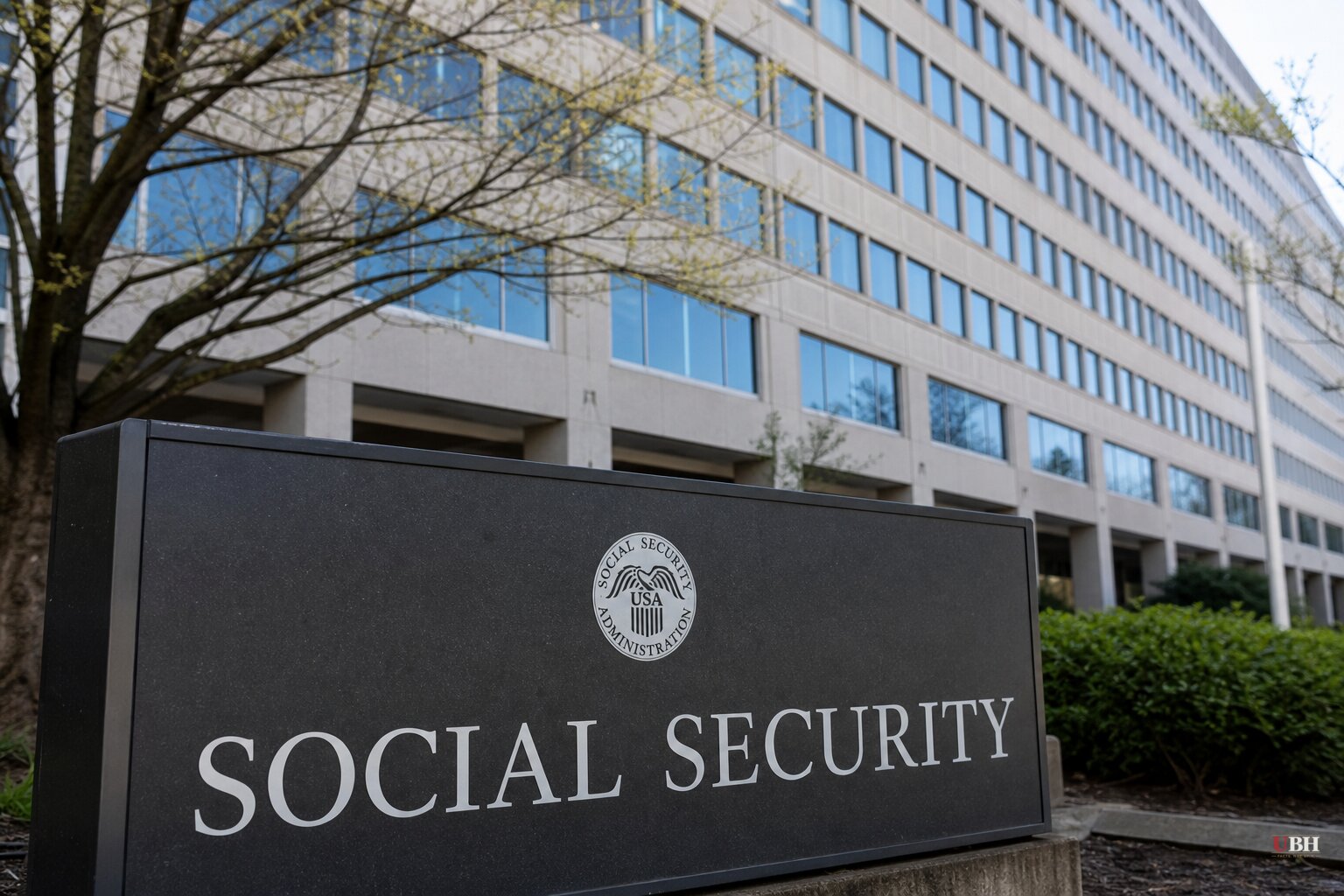
The Committee for a Responsible Federal Budget crunched the numbers on who pays into Social Security and who cashes out, and the gap is not close.
According to CRFB's analysis, Americans retiring this decade will collect about 133% of everything they and their employers paid in payroll taxes, measured in present-value dollars. Strip out the employer's half of that match and look only at what the worker personally contributed, and the number nearly doubles to 265%.
In dollar terms, a median-wage worker retiring in 2027 can expect roughly $730,000 in lifetime Social Security benefits, against combined worker-and-employer contributions of less than $200,000, CRFB found. Benefits exceed total taxes paid, employer share included, after just six years of collecting. They exceed the worker's own direct contributions after only three years.
CRFB found this holds up and down the income ladder. The bottom income quintile of this decade's retirees comes out best in relative terms, collecting about 266% of combined taxes paid, or 532% of their own personal share. Middle-income retirees average 147% of combined taxes, nearly 294% of their own contributions. Even the wealthiest retirees, who come closest to breaking even against the full employer-plus-employee tax bill, still collect roughly double what they personally paid in once the employer match is set aside.
None of that math works because of some accumulated surplus sitting in a vault. Fortune's analysis of the CRFB data is blunt about the mechanism: today's retirees are being paid by today's payroll taxes, pulled from the paychecks of people currently working, a group increasingly made up of millennials in their prime earning years alongside Gen X. Social Security has always run this way, pay-as-you-go, not a personal savings account. The CRFB numbers just put a hard figure on how lopsided the exchange has become for the generation currently footing the bill.
The trust fund deadline is not new, but it's getting closer
This isn't a new problem. The Social Security trust fund is projected to be exhausted in 2032, at which point the program's own financing structure triggers an automatic benefit cut of about 22% across the board, according to Fortune's reporting on CRFB's work. That cut doesn't ask who paid in for forty years and who just started. Everyone drawing a check absorbs it equally under current law.
Gen X is on the leading edge of finding out what that means in practice. As CBS News reported, the oldest members of Generation X turn 62, the earliest Social Security claiming age, next year. Chris Branaman, 53, a Bay City, Michigan, IT worker with about $100,000 saved in his 401(k), told CBS News he expects to be working in retirement, joking his plan is to be a "Walmart greeter." He's not alone. A survey from financial services firm NFP found 41% of workers over 55 now expect Social Security to be their primary source of retirement income, up from 32% just last year. Only 26% of that same age group expect 401(k)s, IRAs, and other retirement accounts to be their main support.
Gen X's problem traces back to timing, not laziness. Pensions covered roughly half of private-sector workers in the 1970s. Today, according to CBS News, only about 14% of private-sector workers have one. Gen X entered the workforce in the 1980s and 1990s just as employers made that switch to 401(k)s, and automatic enrollment, now standard at many companies, wasn't available when they started. Jessica Espinoza of NFP called the shift toward Social Security dependence among older workers "a warning light," noting this cohort is the first to have had to rely almost entirely on self-directed savings with no institutional safety net behind it.
Millennials and Gen Z are responding to the same pressure differently
Millennials, per a Chime-commissioned Talker Research survey of 2,000 respondents, are adapting by prioritizing flexibility over the traditional career ladder: 67% report making financial trade-offs like renting instead of buying or picking up side hustles specifically to reduce dependence on one employer. Despite the "quiet quitter" label, 49% of millennials say they're financially better off than five years ago, a higher share than either Gen X or baby boomers reported in the same surveys.
Gen Z, meanwhile, is expressing confidence about retirement while taking on speculative risk that has little precedent among older cohorts. A SoFi survey found 80% of Gen Z respondents feel confident they can retire comfortably, but a separate Betterment survey of 1,000 retail investors found 52% of Gen Z respondents redirected money originally intended for investing into sports betting over the past year, and 26% said they treat sports betting as part of a deliberate long-term investing strategy. Northwestern Mutual's 2026 Planning & Progress Study found 32% of Gen Z respondents are investing in or considering cryptocurrency, and among those who feel financially behind, 80% believe speculative bets will get them to their financial goals faster than traditional saving.
These generational coping strategies do not fix the structural math CRFB laid out. The 2032 trust fund deadline is a legislative and fiscal decision point, not a natural disaster, and Congress has not passed a fix. Options on the table in past debates have included raising the payroll tax cap, adjusting the retirement age, or means-testing benefits, but none of that has been enacted. Whether lawmakers act before the automatic 22% cut hits, and who ends up bearing that reduction, remains unresolved heading into the back half of this decade.
Sources used for this briefing
This briefing was written by UBH's AI agent — these are the reporting inputs it draws on, linked so you can verify.


