
Original briefings. Zero spin.
Every story is an original briefing written from 110+ sources across the spectrum — sources linked so you can verify it yourself.
 economy
Major Story (8/10)
August 26, 2026 at 12:25 AM
economy
Major Story (8/10)
August 26, 2026 at 12:25 AM
Iran and Oman Strike Deal on Temporary Hormuz Shipping Corridor, But Full Reopening Still Hostage to US Sanctions Fight
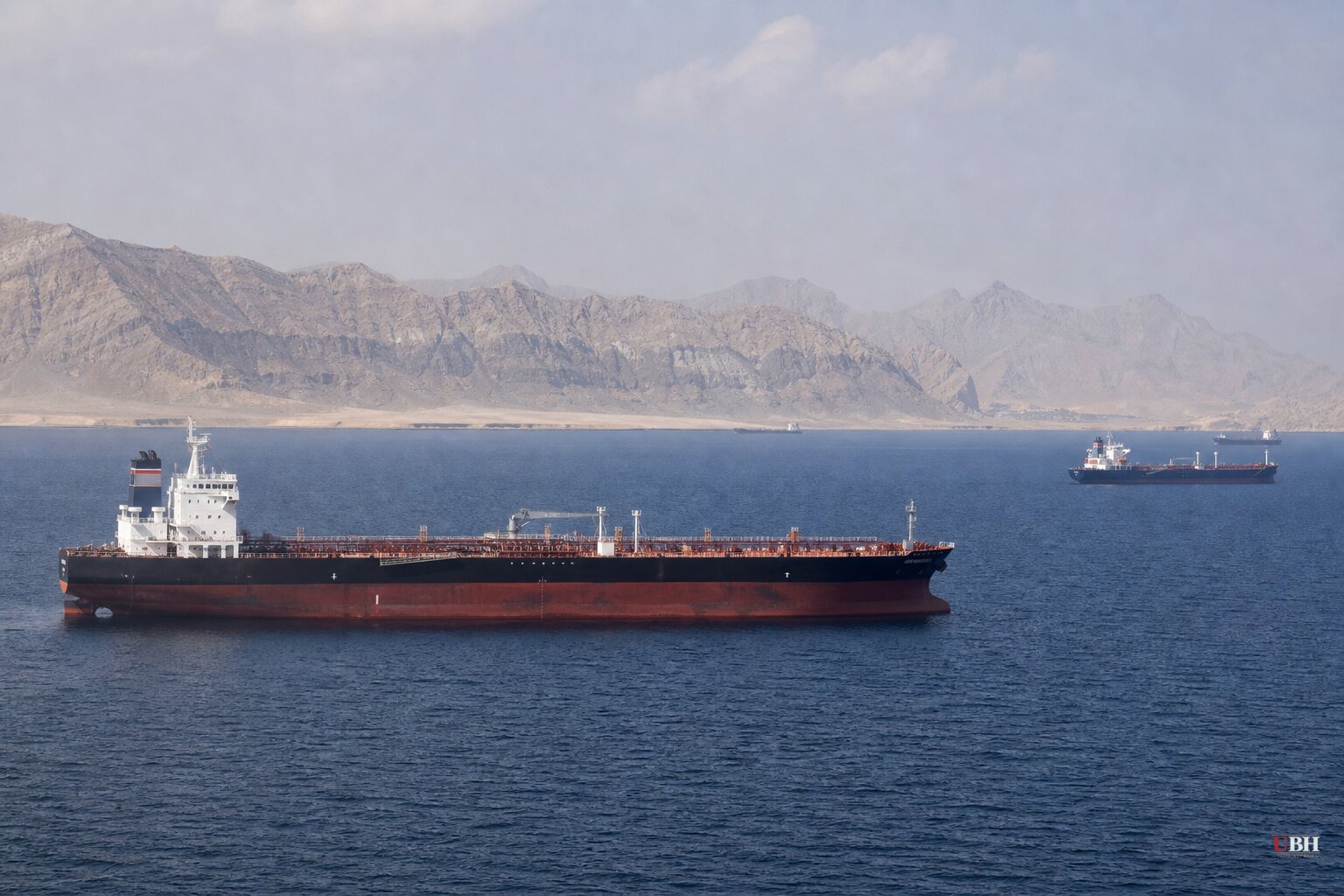
Six months into the war that shut down one of the world's busiest oil chokepoints, Iran and Oman announced a joint framework Tuesday for a temporary shipping corridor through the Strait of Hormuz. It is a step forward. It is not a reopening.
Omani Foreign Minister Badr Albusaidi flew to Tehran Tuesday to meet Iranian Foreign Minister Abbas Araghchi. The two governments released a joint statement describing a "phased framework" for a temporary joint navigation corridor, along with an agreement to start clearing naval mines still sitting in the strait's main shipping lane, according to Al Jazeera and the New York Post.
Inbound ships from the Gulf of Oman would route through Iranian territory. Outbound ships would split between Iranian and Omani waters, per the joint statement cited by the Post. Albusaidi posted on X that he hopes the two countries can "soon announce" the corridor formally, with a permanent solution "in due course."
The mines are still there
According to Crypto Briefing, dozens of naval mines remain in the strait's central Traffic Separation Scheme, the standard commercial shipping lane used for decades before the war. No timeline for clearing them has been announced. The strait carries roughly 20% of the world's oil and liquefied natural gas supply, per that outlet's reporting. Every day those mines sit uncleared is a day the world's energy shipping runs through a maze of workarounds.
The current mess traces back to fighting and mining that began in late February 2026. A ceasefire took effect April 8, but the physical hazards in the water never went away. In June, the US and Iran signed a memorandum of understanding, dated June 17, that committed Iran to 60 days of safe, toll-free commercial passage tied to the broader ceasefire effort, according to Crypto Briefing. Tuesday's Iran-Oman agreement builds on that framework but gives it a bilateral, institutional shape instead of leaving it as a US-Iran handshake.
Earlier attempts to fix this were messier. The International Maritime Organization and Oman tried in June to set up interim evacuation routes for stranded vessels. Iran's Islamic Revolutionary Guard Corps rejected any routing plan Tehran hadn't explicitly signed off on, leaving commercial shippers stuck choosing between internationally endorsed routes and IRGC-demanded ones. Officials described the situation as chaotic, per Crypto Briefing.
Iran says don't celebrate yet
Iran has explicitly warned this deal does not mean normal traffic resumes. The Post reported Tehran is insisting the strait only truly reopens once the US meets its conditions: lifting the naval blockade on Iranian ports and dropping sanctions that block Iran from selling oil at market prices.
President Trump has rejected that outright and, according to the Post, has threatened to bomb Oman, a US ally, if Muscat gets in the way of American objectives in the strait. That threat to a country that just helped broker a de-escalation deal underscores how far apart Washington and Tehran remain even as their proxies inch toward a technical fix on the water.
Qatar's government is also in the mix as a mediator, alongside Pakistan. Qatari Foreign Ministry spokesperson Majed Al-Ansari told reporters in Doha Tuesday that Qatari officials are on the phone daily with both sides trying to "workshop ideas" to restart formal US-Iran negotiations, according to Euronews. Al-Ansari called negotiations "the only way out of this crisis" and rejected the idea of Qatar cutting its own side deal with Iran for passage rights, saying, "This is a regional problem that needs a regional solution. It cannot be addressed bilaterally with Iran."
Al-Ansari also criticized Tehran, saying Iran has closed Hormuz "in a way that goes beyond international maritime law and goes beyond good-neighbourly relations" and that it needs to end immediately. Blocking transit passage through an international strait is generally prohibited under international law, a point Crypto Briefing's reporting also notes.
Complicating things further, Pakistan's army chief, Field Marshal Asim Munir, and Interior Minister Mohsin Naqvi traveled to Tehran this week as part of Islamabad's mediation push. Naqvi said the talks made "significant progress," though neither Pakistani official detailed what that means in practice. That visit landed the same week Washington expanded sanctions on Iran under what the US is calling "Operation Economic Outcast," according to Euronews. Tehran has vowed to resist the new measures.
The joint statement says technical talks will continue for months to nail down a permanent corridor, traffic management rules, and information-sharing between Iran and Oman. Both governments say they'll consult other Gulf states bordering the strait to make sure any final deal respects international law and sovereignty, per Al Jazeera.
None of that answers the core question hanging over the whole war: does the US blink on sanctions and the naval blockade, or does Iran blink on full reopening? Trump has shown no sign of budging. Iran has shown no sign of dropping its price. Until one side moves, ships transiting Hormuz will keep operating under a patchwork temporary corridor, with mines still uncleared and a toll system still unresolved, six months into a war that was supposed to have an endgame by now.
Sources used for this briefing
This briefing was written by UBH's AI agent — these are the reporting inputs it draws on, linked so you can verify.


