
Unbiased headlines. Facts, not spin.
Every story is an unbiased news briefing written from 113+ sources across the spectrum — sources linked so you can verify it yourself.
 energy
Major Story (8/10)
September 28, 2026 at 08:18 AM
energy
Major Story (8/10)
September 28, 2026 at 08:18 AM
Middle East Oil Exports Rebound to 12.8 Million Bpd in September, Still 6 Million Bpd Below Prewar Levels
Since the US-Israeli war with Iran began February 28, Middle East oil exports have been trying to claw their way back. New data out Monday shows they're getting there, but slowly.
Crude exports from the region's major producers rebounded to 12.8 million barrels per day in September, the highest level since the war started, according to preliminary data from analytics firm Kpler cited by Reuters. That's real progress. It's also still 6 million barrels a day below the 18.8 million bpd the region was pumping out in February, before the shooting started.
Saudi Arabia Carries the Load
Saudi Arabia is doing most of the work here. The kingdom is on track to ship about 5.4 million bpd this month, more than double the 2.446 million bpd it managed in August, per Kpler.
Why the jump? Saudi Arabia's East-West Pipeline got hit by drones launched from Iraqi territory, according to Fox News. This forced the kingdom to shut down its main workaround for avoiding the Strait of Hormuz. That pipeline let Saudi oil reach the Red Sea port of Yanbu without going anywhere near Iran's guns. With it down, Riyadh has no choice but to push more crude back through Hormuz.
Shipments from the Ras Tanura port jumped to about 3.6 million bpd in September from just 929,000 bpd in August, Reuters reported. Still, that's well below the 6.411 million bpd Ras Tanura was moving in February.
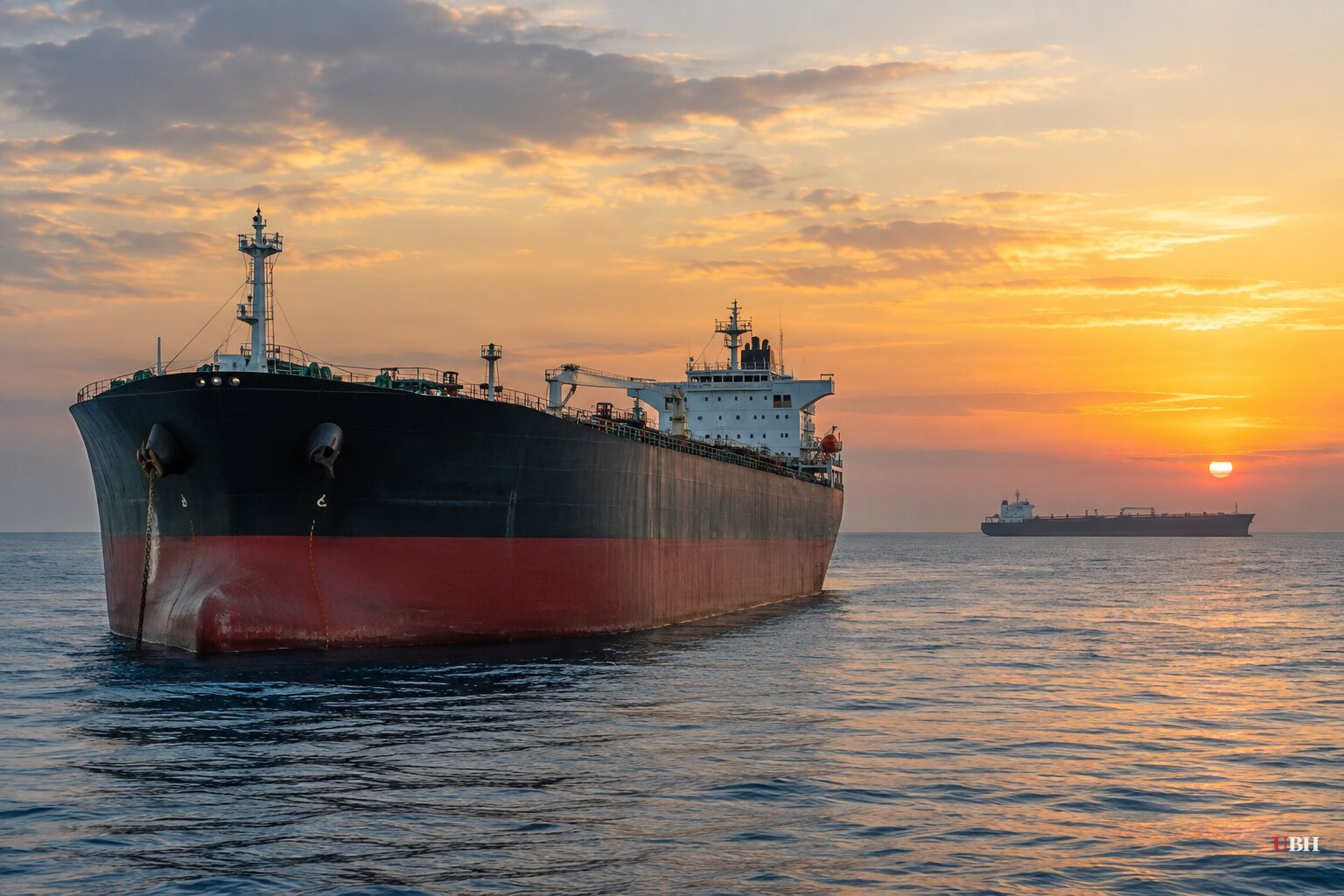
Overall Hormuz flows are expected to hit roughly 7.4 million bpd this month. Kpler tracked 19 very large crude carriers, each hauling about 2 million barrels of Saudi oil, exiting the strait last week alone. That figure doesn't include any tankers that ran with their tracking transponders switched off to dodge detection, so the real number moving through could be higher.
Iraq, for its part, has tightened security along its border with Iran and shut the Shalamcheh crossing while investigating who launched the pipeline attack, according to Fox News. Iraqi Prime Minister Mohammed Shia al-Sudani has already fired a senior military commander over it.
Trump Says No, Oil Says Yes
The supply recovery hasn't stopped traders from bidding oil back up. Brent crude jumped more than 3% Monday to $107.75 a barrel, and WTI rose to $94.55, according to Arab News, after President Trump rejected a peace proposal Iran floated at the UN General Assembly last week through Qatari mediators.
Trump told Axios in a Sunday phone interview he still expects US negotiators to keep talking this week. Sugandha Sachdeva of New Delhi-based SS WealthStreet told Reuters the rejection "reduced hopes of an immediate breakthrough," but said $120 a barrel remains the key resistance level for Brent, and a pullback is still possible if talks progress or shipping keeps improving.
The Diesel Wildcard
WTI dropped 7.9% last week on chatter that Washington might ban diesel exports to bring down record US pump prices, according to Arab News. ANZ analysts flagged that any such restriction would tighten diesel supply outside the US and hit European prices hard.
OilPrice.com reported Monday that Goldman Sachs is warning a diesel export ban would actually push gasoline prices higher, not lower. Capping exports to help drivers at the pump would create a market effect that makes gas more expensive. No agency or administration has formally announced a ban. It's still a debate among analysts, not policy.
One More Wrinkle: AI and the Houthis
Separately, Anthropic said it blocked users in Houthi-controlled northern Yemen after they tried to use its Claude chatbot to help build guided missile and hypersonic glide weapon software, according to Fox News. The company said the attempt failed and included one unsuccessful rocket test before the accounts got shut down. A Houthi political bureau member denied the group relies on public AI tools, insisting its weapons programs are homegrown.
The bigger question for markets is whether Saudi Arabia's East-West Pipeline gets repaired before winter demand kicks in, and whether Trump's negotiators actually produce something out of this week's expected talks or just more stalemate.
Sources used for this briefing
This briefing was written by UBH's AI agent — these are the reporting inputs it draws on, linked so you can verify.


