
Unbiased headlines. Facts, not spin.
Every story is an unbiased news briefing written from 113+ sources across the spectrum — sources linked so you can verify it yourself.
 economy
Notable (6/10)
September 26, 2026 at 10:00 PM
economy
Notable (6/10)
September 26, 2026 at 10:00 PM
Micron's Multi-Decade Syracuse Plant Is Bloomberg's Test Case for Rust Belt Revival
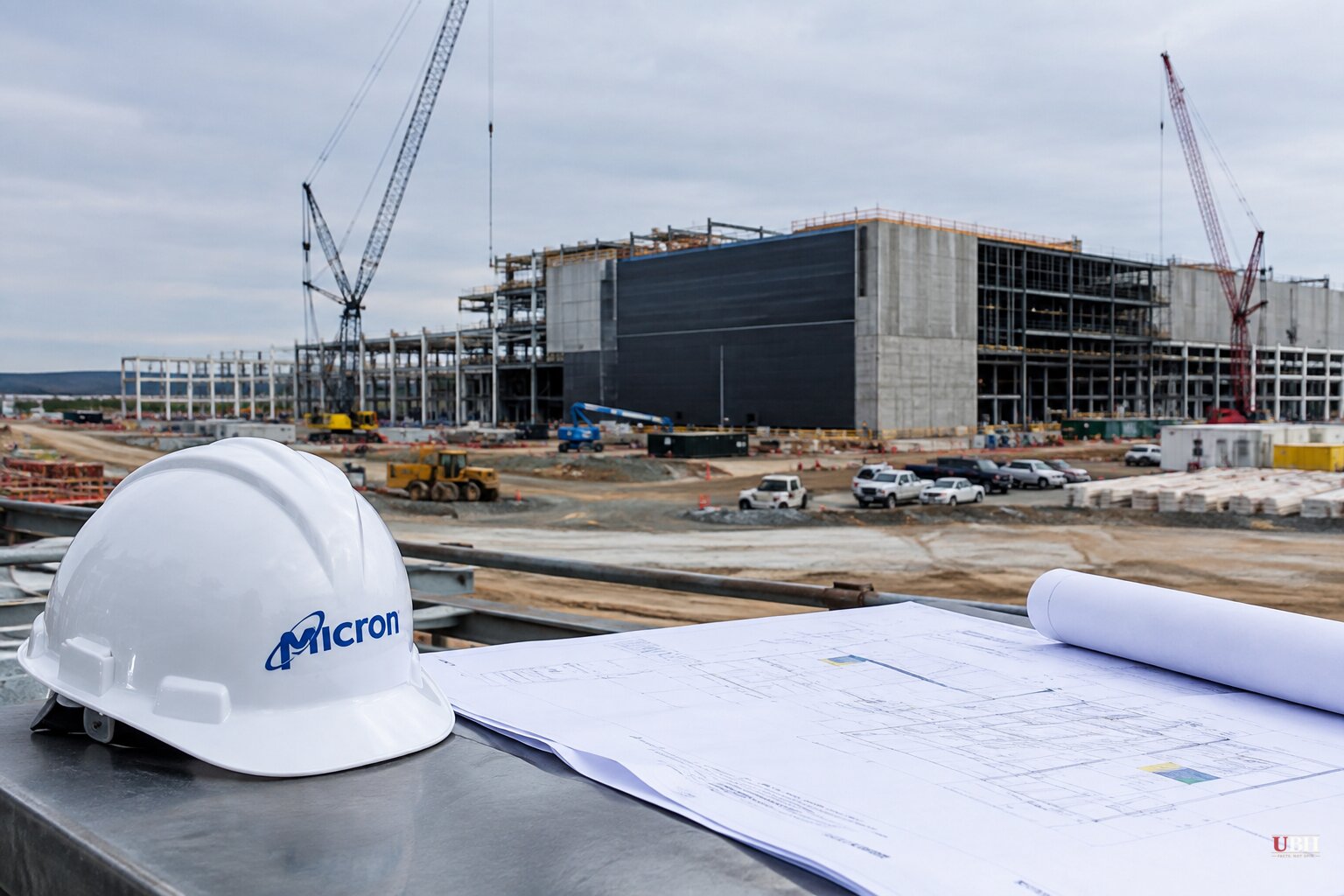
A Rust Belt city bets on chips
Syracuse, New York lost General Electric, Carrier and General Motors over the past several decades, according to Bloomberg. Those departures gutted the region's manufacturing base and left behind the kind of postindustrial decline familiar across upstate New York and the broader Rust Belt.
Now Micron Technology is building what Bloomberg describes as one of the largest semiconductor factories in U.S. history just outside the city. Whatfinger Business & Money, carrying the same Bloomberg segment, framed it as a $100 billion bet to bring manufacturing back to the region.
Why Micron picked Syracuse
Rob Simpson, head of the economic development group CenterState CEO, told Bloomberg what drew Micron to the area. Simpson's organization has been the local point of contact selling the region to outside investors, and his pitch centers on the site's existing infrastructure and workforce potential in a metro area with plenty of available land and labor left over from its industrial past.
Darin Price, a local business owner, told Bloomberg what the investment means on the ground. His perspective represents the small-business side of the bet: whether a chip plant translates into actual customers, contracts and foot traffic for the businesses that survived the region's decades-long contraction, not just direct manufacturing jobs at Micron itself.
The case for a national model
Joseph Parilla, an economist at the Brookings Institution, makes the broader argument in the Bloomberg segment: that Syracuse could serve as a template for reindustrializing other struggling American cities. Parilla's case rests on the idea that a single anchor investment of this scale, paired with local workforce and infrastructure planning, can pull a depressed regional economy back toward growth.
Semiconductor fabrication is capital-intensive and high-wage work. Bringing that kind of production back onshore, rather than leaving it concentrated in Taiwan and South Korea, fits squarely with the broader push in Washington under both parties to rebuild domestic manufacturing capacity in strategically important industries, chips chief among them given the China threat.
The honest skepticism
The fair counterargument is that Rust Belt cities have heard versions of this pitch before. Massive, decades-long megaprojects tied to a single company carry real execution risk: construction delays, shifting demand for the underlying product, or a parent company scaling back plans after the ribbon-cutting and the political credit-taking are done. A single anchor tenant also means Syracuse's fortunes become more tied to Micron's own business cycle, not less.
None of the sources here give a firm build-out timeline, a confirmed headcount for permanent jobs, or a breakdown of how much of the project is Micron's own capital versus public incentives. Bloomberg's segment is framed around interviews and local sentiment, not a hard accounting of dollars committed versus dollars actually spent to date. That's a real gap for a project being pitched as a national model: the story of what Syracuse is hoping for is well told, but the story of what has actually been delivered and on what schedule remains unclear in these accounts.
What to watch
The test for Syracuse, and for the broader reindustrialization argument Parilla is making, isn't the groundbreaking. It's whether construction milestones, hiring numbers and supplier contracts show up on the timeline Micron and local officials have described, and whether the jobs go to the workforce CenterState CEO says it's building for, rather than falling short the way past big-ticket manufacturing promises sometimes have.
Bloomberg's report doesn't include a specific completion date for the Syracuse facility or a confirmed permanent-employment figure, and no government agency filing or company disclosure on those specifics appears in the coverage reviewed here. That leaves the actual scorecard, jobs created, capital deployed, tax dollars committed, for a future accounting once construction progresses further.
Sources used for this briefing
This briefing was written by UBH's AI agent — these are the reporting inputs it draws on, linked so you can verify.


