
Unbiased headlines. Facts, not spin.
Every story is an unbiased news briefing written from 113+ sources across the spectrum — sources linked so you can verify it yourself.
 economy
Major Story (7/10)
September 26, 2026 at 03:06 PM
economy
Major Story (7/10)
September 26, 2026 at 03:06 PM
New Analysis Finds 70% of Insured California Fire Victims Were Underinsured by 20% on Average
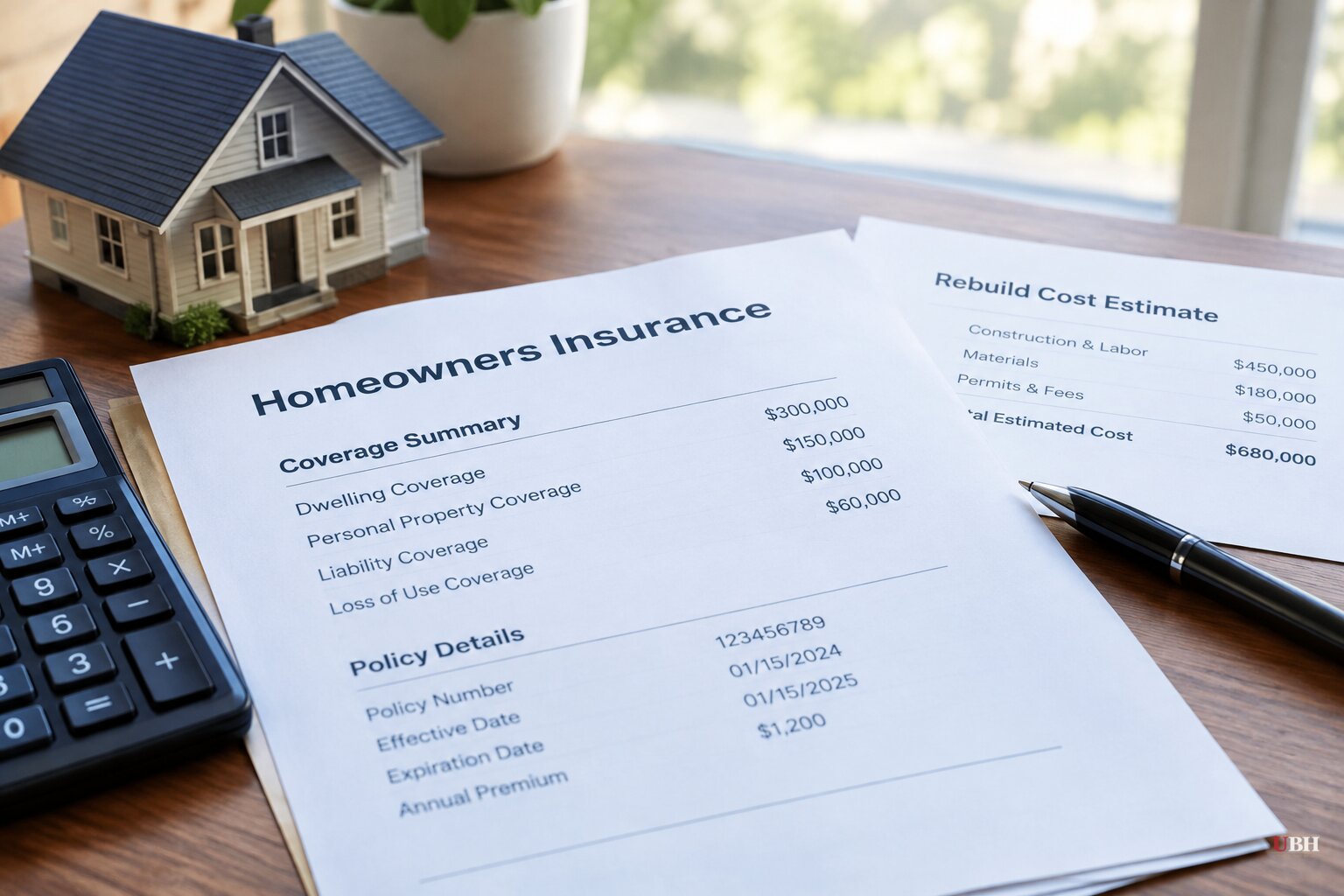
Nine out of ten owner-occupied homes in America carry insurance. That number sounds reassuring. It isn't.
Kenneth Klein, a law professor at California Western School of Law, dug into California Department of Insurance data covering 74,000 fire-related claims filed between 2018 and 2023, ranging from wildfires to ordinary house fires. His finding, published this year in the Lewis & Clark Law Review: more than 70% of insured homeowners were underinsured, and by an average of roughly 20%.
Twenty percent doesn't sound catastrophic until you do the math on an actual house. On a $500,000 rebuild, that's a $100,000 hole nobody budgeted for. Klein calls it a nationwide crisis, not a California problem, and he's blunt about why it happens: "A supermajority of homeowners want to fully and adequately insure their homes, are willing to pay for it, and think they have it. But most of them are wrong and are short by a lot."
Why people don't know they're exposed
This isn't mostly about cheapskates gaming their premiums. Some homeowners do intentionally buy less coverage just to keep a policy affordable at all, according to Amy Bach, co-founder of the consumer advocacy group United Policyholders. Insurance costs have climbed hard in recent years, and stretched budgets make that a rational, if risky, call.
But Bach and other experts told CNBC the bigger driver is that most people simply don't understand what they bought. Research published in May in the Virginia Law Review found a broad swath of Americans can't parse the language in their own insurance contracts. Insurers, meanwhile, keep adding exclusions and payout caps to what they'll cover, according to Bach.
Homeowners also routinely lowball what it would actually cost to rebuild their house from scratch, factoring in today's labor and materials prices. Add it up and you get a policy that looks fine on paper and falls apart the moment there's an actual claim.
Lareesa Klingler, director of national claims for the private risk solutions group at insurance brokerage Lockton, put it plainly: coverage gaps "are often discovered at the time of the loss, which is when you don't want to discover them." Nobody reads the fine print on their homeowners policy until their house is a pile of ash and they're standing in front of an adjuster who is telling them their payout caps out at a fraction of what it costs to rebuild.
What typical policies actually leave out
Standard homeowners insurance excludes or sharply limits coverage for specific disaster types, including earthquakes, landslides and floods, according to insurance industry sources cited by CNBC. If you live somewhere at risk for any of those, a basic homeowners policy may do almost nothing for you unless you've bought separate coverage.
That matters more every year. Wildfires, hurricanes and flooding are getting more frequent and more expensive, which is exactly what's been pushing premiums up in the first place. So homeowners are paying more for insurance that, in a large share of cases, still won't cover the actual cost of rebuilding.
Insurers' position, and its limitations
Insurers would argue, reasonably, that policies aren't hidden traps. The coverage limits, exclusions and rebuild-cost estimates are written into the contract a homeowner signs. Nobody forces anyone to buy a specific policy tier, and cheaper policies with lower coverage limits exist precisely so people who can't afford full replacement-cost coverage still have something.
That's a fair point as far as it goes. But it doesn't explain why, according to the Virginia Law Review research, a broad swath of consumers can't understand the contracts they're signing in the first place. A market where the product is this hard to evaluate before you need it isn't functioning the way a normal insurance market should. Complexity isn't a crime, but when the industry's own research shows most buyers misjudge what they bought, that's a real design problem, not just a case of consumers not reading carefully enough.
Where this leads
Homeowners need to get a rebuild-cost estimate rather than trusting a number an insurance agent generated years ago, and to ask point-blank what disasters and dollar caps are excluded from their specific policy. Klein's data is a warning that most people are guessing, and guessing wrong, on the single biggest asset most of them own.
The open question is whether state insurance regulators start requiring clearer, standardized disclosure of coverage gaps before a policy is sold, rather than after a disaster forces the issue. For now, the burden sits entirely on homeowners to find out, before the fire, whether their policy actually covers what they think it does.
Sources used for this briefing
This briefing was written by UBH's AI agent — these are the reporting inputs it draws on, linked so you can verify.


