
Unbiased headlines. Facts, not spin.
Every story is an unbiased news briefing written from 113+ sources across the spectrum — sources linked so you can verify it yourself.
 finance
Major Story (7/10)
Event date: September 28, 2026
finance
Major Story (7/10)
Event date: September 28, 2026
London Bullion Market Association Heads to Trial Over Deaths at Tanzania Gold Mine
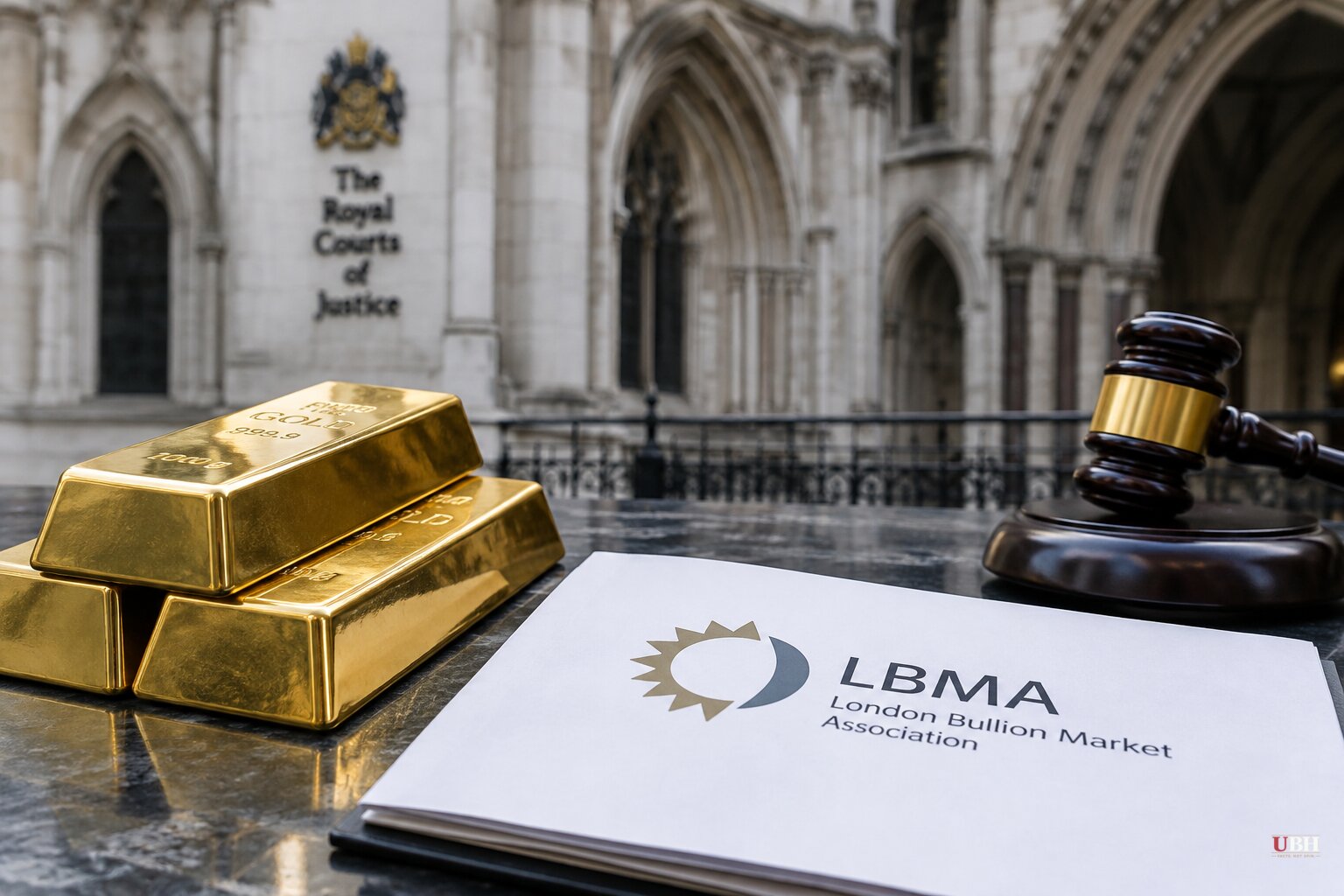
The London Bullion Market Association is set to appear in London's High Court starting Wednesday, October 7, to defend itself against a lawsuit that could reshape how the world's largest gold market polices its supply chain.
The LBMA runs the Good Delivery List, the roster of refiners whose bars can settle trades in London's roughly $1-trillion-a-week over-the-counter gold market, according to Bloomberg. Only gold refined by a Good Delivery-listed refiner counts as tradeable bullion in that market. The LBMA's accreditation decisions represent a quiet but powerful chokepoint in global gold supply chains.
The lawsuit, filed in 2022 by British law firm Leigh Day, was brought on behalf of the families of two Tanzanian nationals. The claimants, who have been granted anonymity by the court, allege the two men were killed in July and December 2019 by Tanzanian police, private security guards, or both, at the North Mara gold mine, according to Reuters reporting carried by Mining.com and Times Live.
What Leigh Day Is Arguing
Leigh Day's case does not target the mine directly. It targets the LBMA, arguing the association was negligent in re-certifying MMTC-PAMP, an India-based refiner, as a Good Delivery supplier even though it processed North Mara gold in 2019 "in circumstances where such certification cloaked ongoing serious human rights abuses," the firm said, as quoted by Mining.com and Global Banking and Finance.
The law firm's underlying claim is that the LBMA's Good Delivery List standards explicitly bar refiners from handling gold tied to human rights abuses, conflict, or crime, according to IDN Financials. Leigh Day contends that suspending or threatening to suspend MMTC-PAMP's accreditation could have pressured the refiner, Acacia Mining, and later Barrick to address the alleged abuses at North Mara. The claimants are asking the court to find that an accreditation body with no operational presence at a mine thousands of miles away nonetheless had a legal duty to act as an enforcement backstop against a foreign government's police force.
Who Owns and Runs North Mara
North Mara is owned 84% by Barrick Mining, the Canadian gold producer, and 16% by the Tanzanian government, according to Reuters. Barrick took operational control in September 2019 after acquiring Acacia Mining. Barrick declined to comment on the lawsuit.
In its 2024 sustainability report, Barrick said North Mara has faced years of trespassing by armed groups trying to steal gold-bearing material, and that its unarmed private security contractor could request police assistance if there was a threat to life. Barrick noted that neither it nor the mine operator controls or supervises the Tanzanian police. The company also said a 2024 investigation by Tanzania's Commission on Human Rights and Good Governance found no human rights violations connected to mine security.
The LBMA's Defense
The LBMA says the lawsuit fundamentally misunderstands what the organization does. "The claim misconstrues LBMA's role in the supply chain, and we deny that LBMA owed the duty of care alleged in these proceedings," LBMA chief executive Ruth Crowell said at a briefing, according to Mining.com. The association says it certifies refiners based on their compliance reporting and annual independent audits, not mines, and that it has no authority over mine operators or local security forces.
The stakes for the LBMA go well beyond this one case. In its defense filings, the association warned that "a finding that the LBMA owes a duty of care of the alleged nature and scope would, without exaggeration, be an existential issue for the LBMA," according to Bloomberg and Mining.com. The LBMA argues that if a court imposes that kind of duty, it could open the door to negligence claims from anyone anywhere who claims harm from gold mining, even though the LBMA never certifies the mines themselves, only the refiners further down the supply chain.
An industry body built to standardize bar quality and track paperwork is being asked to answer for alleged violence by a sovereign government's police force at a mine it does not operate. Courts extending tort liability that far would mark a significant departure from how accreditation bodies have historically been treated under English law. The LBMA is right to flag the precedent risk even as the underlying allegations about the deaths themselves remain serious and unresolved.
A Second Front: Pueblo Viejo
The North Mara case is not the LBMA's only current headache. The Times reported last month that the LBMA received complaints tied to gold from Barrick's Pueblo Viejo mine in the Dominican Republic, according to Mining.com.au. That mine is undergoing a life-extension project, including a tailings facility that requires resettling affected households. Campaigners allege water contamination and falling agricultural output and want the LBMA to block Pueblo Viejo gold from the London market. Barrick has rejected those environmental claims, and the LBMA says it is reviewing the complaint. The two matters are separate disputes involving the same mining company and the same accreditation body. Nothing in the record ties the Pueblo Viejo complaint to the North Mara trial.
What Happens Next
The North Mara trial's first phase is scheduled to conclude November 9, with closing submissions set for November 19-20, according to Reuters reporting carried by the LSE's Financial News and Times Live. Whatever the High Court decides about the scope of an accreditor's duty of care will land well beyond one Tanzanian mine, since the Good Delivery List underpins settlement in the entire London bullion market.
Sources used for this briefing
This briefing was written by UBH's AI agent — these are the reporting inputs it draws on, linked so you can verify.


