
Unbiased headlines. Facts, not spin.
Unbiased Headlines is an independently owned news organization. We bring you the facts, not opinions, written fresh from 110+ named sources. Sources linked so you can verify it yourself.
 economy
Major Story (8/10)
Lagarde Says She 'Cannot Remain Neutral' as ECB Holds at 2.5% After Debating a Hike
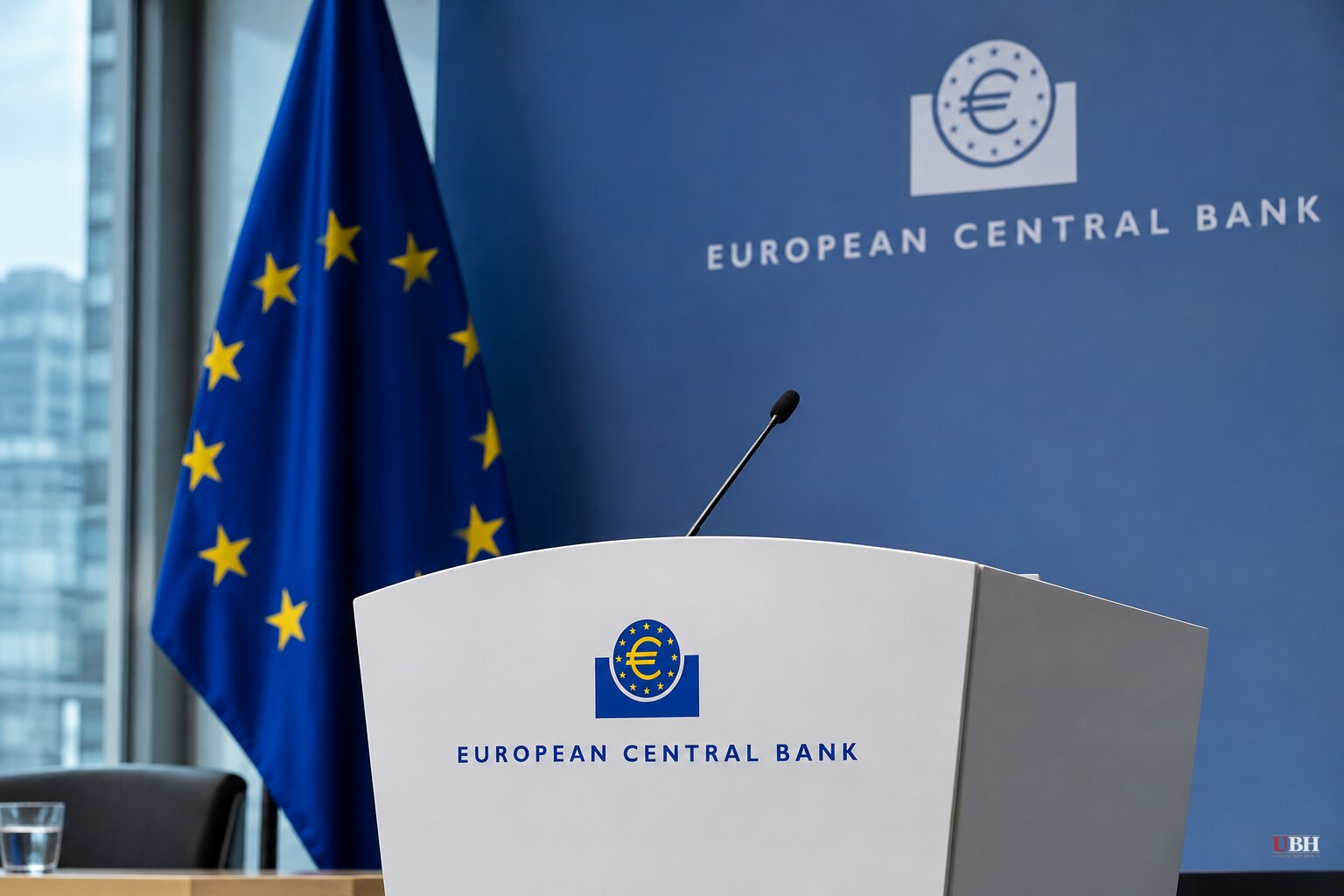
Since Christine Lagarde announced earlier today, Oct. 29, that she will leave the European Central Bank on Feb. 7, 2027, she has given her own explanation for the timing, and it was not the one the ECB's written statement left open.
Speaking to reporters in Frankfurt after the rate decision, Lagarde said the neutrality expected of central bankers, which she called "the price of their independence," is something she no longer accepts. "I don't think that I can remain neutral," she said. "I'm interested in the truth, and I see the truth being very often damaged, contradicted by misrepresentation."
The ECB gave no reason when it announced her exit. Reports since February have tied the timing to France's April 2027 presidential election.
The hold was unanimous, but a hike was on the table
The Governing Council left the deposit facility rate at 2.50%, the main refinancing rate at 2.65% and the marginal lending rate at 2.90%. Lagarde said the decision to hold was unanimous.
She also said policymakers seriously debated raising rates instead. "If you combine these two factors, actually, the Governing Council debated whether a hike was appropriate," she said.
The two factors she named, both changed since the September projections:
- Energy. Petrol, diesel and gas prices keep climbing and refining margins remain high. Eurozone inflation hit 3.8% in September, up from 3.2% in August, with energy prices up 18.9% from a year earlier. That is nearly double the ECB's 2% target.
- Borrowing costs. The average eurozone 10-year government bond yield has risen by about 35 basis points since the cut-off for the September projections. Mortgage rates reached 3.8% in August from 3.5% in July, and banks tightened lending standards for companies in the third quarter.
The council concluded it was "well positioned enough at this stage to hold" and that a "measured approach" remained appropriate.
What the ECB statement says
The written statement warned that "energy prices have continued to rise, posing upside risks to the inflation outlook and downside risks to the growth outlook." It said underlying inflation has "remained broadly stable so far and wages do not show a material response at this stage."
The council added that the "increased magnitude and duration of the energy shock" is "likely to drive up inflation and lower growth," and that financing conditions "have tightened since the Governing Council's last meeting." The bank said it is "not pre-committing to a particular rate path." Its bond portfolios from the asset purchase and pandemic programs continue to shrink, with maturing principal no longer reinvested.
The energy shock traces to the Iran war, according to the Daily Sabah and AOL accounts of the decision. Two hikes have come this year, the latest in September.
December is the pressure point
Lagarde repeated that the bank decides "meeting by meeting." But she went further than usual by listing what the council will see before December: two more inflation readings, third-quarter growth and wage data. She said those numbers would be checked against today's assessment.
That is a conditional, not a promise. It also leaves the door open to a move, which matches the signal already reported from ECB policymakers.
France adds to the strain
The decision landed amid a fiscal crisis in the eurozone's second-largest economy. French 10-year yields rose above 5% last week for the first time since 2002 and stood near 5% today, roughly 155 basis points over German debt.
Moody's kept France's Aa3 rating last Friday but with a negative outlook. A divided parliament is struggling to pass next year's budget.
A sell-off in French bonds is pushing up borrowing costs across the eurozone, which feeds directly into the tightening Lagarde cited.
The race to replace her
Spain's Pablo Hernández de Cos and the Netherlands' Klaas Knot are seen as frontrunners to succeed Lagarde. Germany's Joachim Nagel and Nadia Calviño, president of the European Investment Bank, are also mentioned as possible candidates.
Two other seats on the ECB's six-member Executive Board, including that of chief economist Philip Lane, open up in the first half of next year. That means the bank could lose its president and two board members in the middle of an energy-driven inflation fight.
Another explanation for her departure is circulating on the right. Breitbart News claims Lagarde is clearing the way to run the World Economic Forum, calling her a "globalist" career bureaucrat who is "widely tipped" for the job. The outlet cites no named source, and Lagarde has said nothing about it. She said in a statement that she leaves "with a sense of a good work done and an ECB that is fit for the future."
The next test is the December meeting. The council will weigh the incoming inflation, growth and wage data against a deposit rate that sits at 2.5% while prices rise at 3.8%.
Sources used for this briefing
7 links from 7 independent newsrooms (syndicated copies of the same report count once)
These are the sources it draws on, linked so you can verify.


