
Unbiased headlines. Facts, not spin.
Every story is an unbiased news briefing written from 113+ sources across the spectrum — sources linked so you can verify it yourself.
 economy
Low Interest (4/10)
Event date: September 21, 2026
economy
Low Interest (4/10)
Event date: September 21, 2026
Knoxville Family Borrowed Money for a Cremation After Learning Dad Had Cashed Out His Own Life Insurance
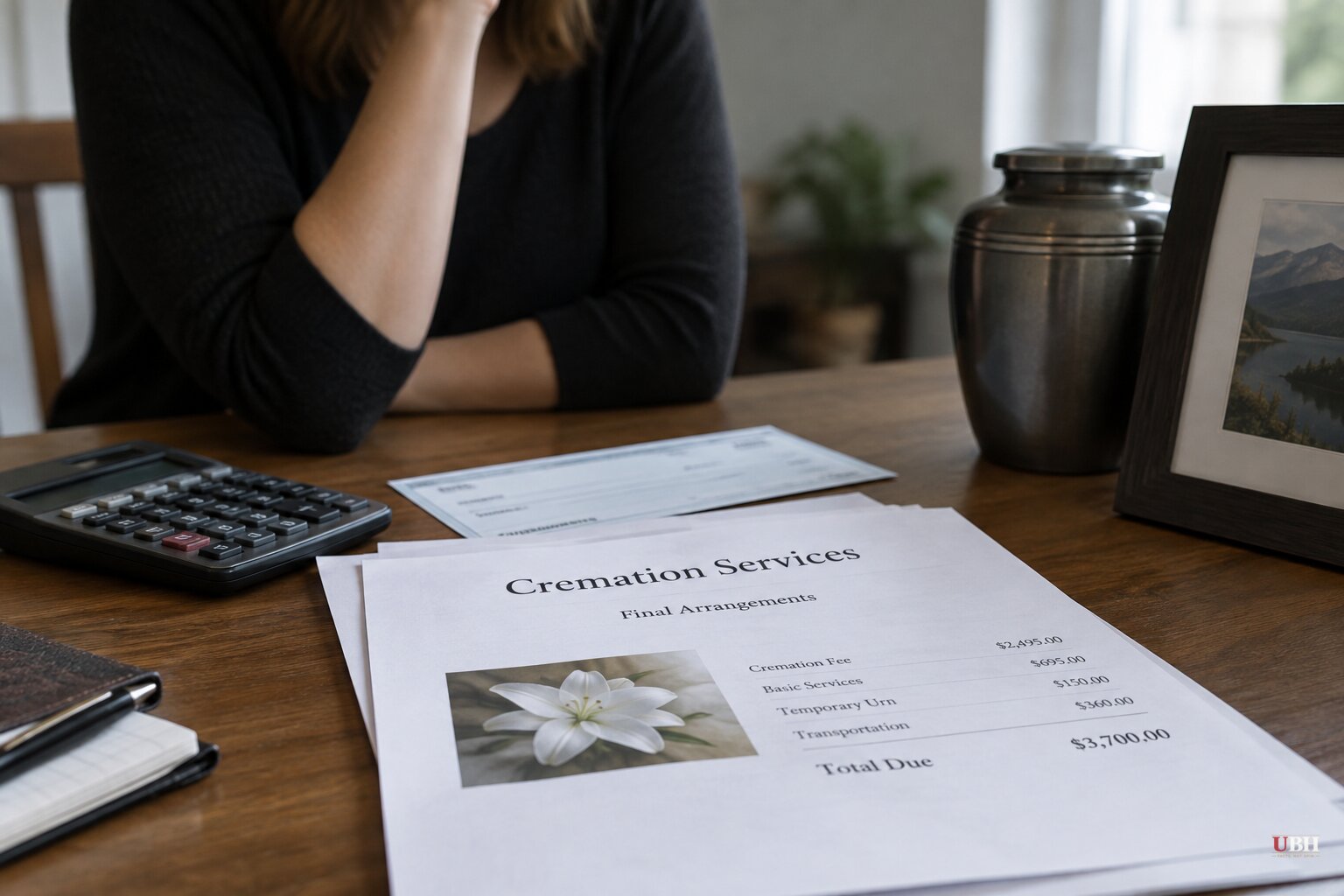
Heather Waughtel, 47, thought she and her father had done the responsible thing. They'd talked through finances. They'd set up power of attorney. He told her the cremation would be covered.
None of that mattered when he died in July at age 71.
Waughtel, a project coordinator in Knoxville, Tennessee, told Business Insider that two days after her father's death, she and a family friend started calling credit card companies, insurers, and the bank to close his accounts. That's when they discovered his life insurance policy had already been cashed out, about a week before he died. Waughtel says she still doesn't know why.
His estate turned out to be small and insolvent, carrying credit card debt instead of an inheritance.
The cremation package, covering the transfer from his nursing home, the cremation itself, an urn, a service, and death certificates, ran about $3,700, according to Business Insider's reporting, which verified both Waughtel's income and her father's funeral costs. When her credit card was declined at the funeral home, the family friend who'd accompanied her put the charge on her own card without being asked.
Waughtel and her husband, a painter at a boat repair shop, both work full time. She works 7:30 a.m. to 4:30 p.m. and says a second job isn't realistic. They live paycheck to paycheck already, sometimes choosing between gas money and groceries. Paying the friend back is now one more line item in a budget that had no room to spare.
Her father had transitioned and began identifying as a woman in the early 2000s, a shift Waughtel says brought them closer after years of estrangement. In his final years he had COPD and a chronic lung infection. He entered a nursing home in early June as his health declined and died roughly six weeks later.
The Bigger Number Behind the Story
Waughtel's situation isn't an outlier. Funeral and burial costs in the U.S. have climbed roughly 77% over the past two decades, according to NBC News. Funeralocity puts the average cost of a full burial service at nearly $8,600 nationally, with some regions running past $20,000 once cemetery plots, transportation, and paperwork are added in, as reported by Black Enterprise.
That price pressure is a major reason cremation has become the default choice for most American families. The National Funeral Directors Association projected cremation accounted for 63.4% of U.S. dispositions in 2025, versus 31.6% for burial, and forecasts cremation will hit 82.3% by 2045. The NFDA puts the median cost of a funeral with viewing and cremation at $6,280, compared to $7,848 for a funeral with viewing and burial, roughly a $1,500 gap that matters to a family already stretched thin.
Even cremation, the cheaper option, still cost the Waughtel family more than they had.
Funeral Homes Say They Try to Work With Families
The funeral industry isn't hiding from the affordability problem. Camelia Clarke, a funeral director at Paradise Memorial Funeral in Milwaukee, told Quartz that most funeral home operators do everything they can to ease both the emotional and financial burden on grieving families. "There isn't one funeral home that I know in my 30 years of existence that has ever turned anyone around that I know of because of genuine financial hardship," Clarke said.
The NFDA reports about 75% of the country's 15,401 funeral homes are family- or privately-owned, employing roughly 105,300 people and generating $16.3 billion in revenue, with crematories and cemeteries adding another $4.274 billion. Nearly 36% of member firms now offer online cremation arrangements, and another 25% plan to add the option within four years, moves the industry frames as convenience upgrades that can also cut overhead costs passed to families.
An industry facing genuine cost pressures of its own, from labor to real estate to regulatory compliance, isn't simply padding margins on grieving families. But it doesn't change the math for someone like Waughtel, who had a power of attorney in place and still got blindsided by a decision her father made on his own, days before he died.
What remains unclear in Waughtel's case is why her father cashed out the policy meant to cover exactly this cost. Business Insider's reporting doesn't answer that question, and neither does Waughtel.
Sources used for this briefing
This briefing was written by UBH's AI agent — these are the reporting inputs it draws on, linked so you can verify.


