
Unbiased headlines. Facts, not spin.
Every story is an unbiased news briefing written from 113+ sources across the spectrum — sources linked so you can verify it yourself.
 economy
Notable (6/10)
Event date: September 17, 2026
economy
Notable (6/10)
Event date: September 17, 2026
Burnham Confirms Tax Hikes Coming for Free Social Care, Dismisses £18.5 Billion Cost Estimate
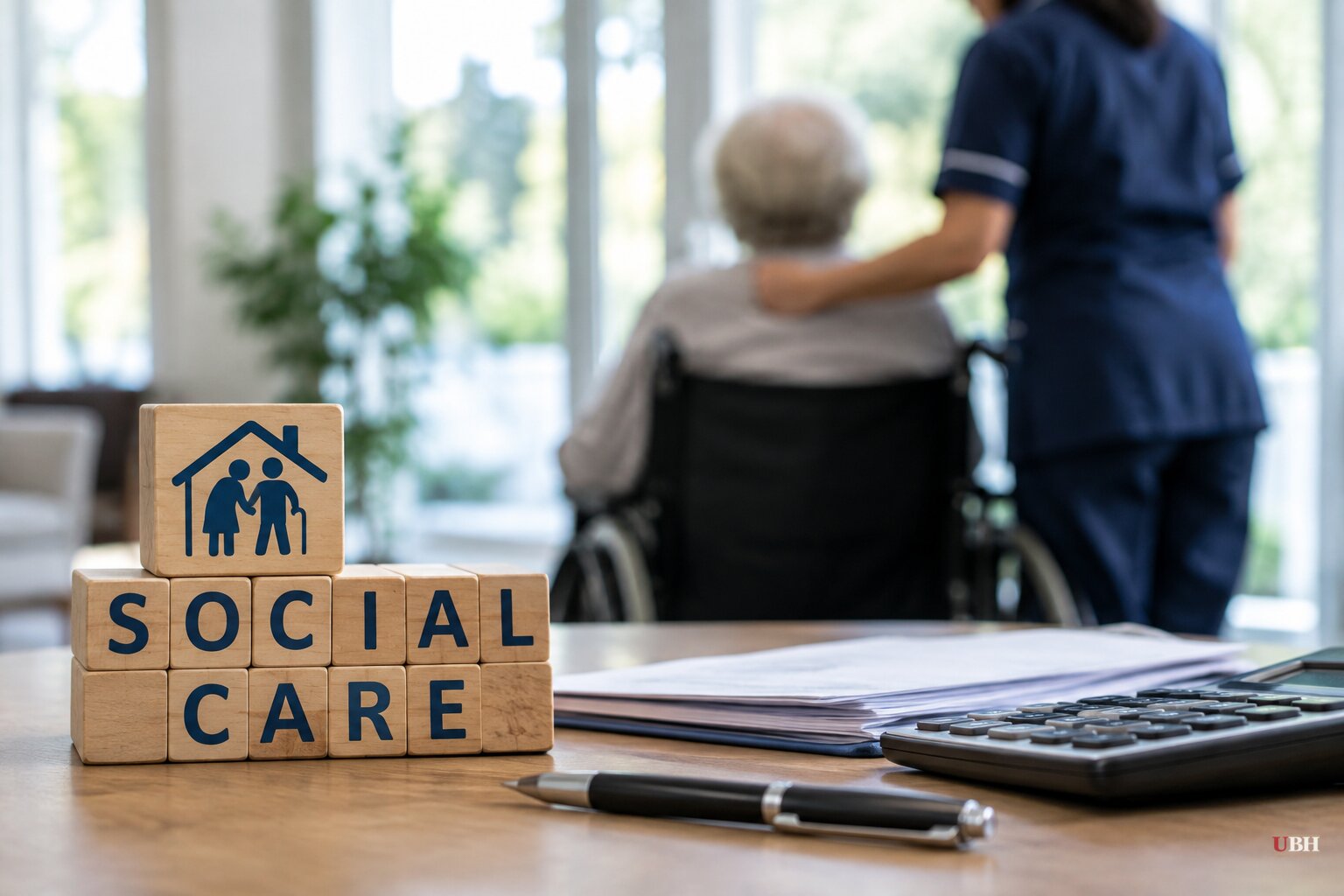
Since Greater Manchester Mayor Andy Burnham first floated a national care service earlier this month, he's now put a number on the table, sort of. In a Sunday, September 27 interview with BBC's Laura Kuenssberg, Burnham confirmed his social care overhaul will require new taxes, and that he wants his party, Labour, to put the plan to voters at the next general election, expected in 2029.
What He Actually Said
Burnham didn't dodge the tax question. He told the BBC "nothing is off the table" on funding, and blamed the "cowardice" of past politicians for failing to "grasp the nettle" on social care reform, according to Alliance News.
His pitch: a system where "everyone contributes, everyone's covered," similar in spirit to the NHS but not necessarily funded the same way, he told City A.M. He compared England's current social care system to American healthcare, saying vulnerable people "can lose everything... not just by the condition that they have, but wiped out financially."
People do genuinely spend down savings and sell homes to pay for long-term care in England right now. Burnham's right that the status quo has a cost. The question is whether his fix costs more.
The Number He Won't Confirm
The Health Foundation, a think tank, estimated a free-at-point-of-use national care service could cost up to £18.5 billion a year by 2035/36. Burnham rejected that figure outright, telling the BBC it's "not that high," but he didn't offer his own estimate.
You can't call a report wrong and then refuse to show your math. Voters deserve a number, and right now they've got a senior Labour figure saying trust me, the real number is smaller, with zero backup.
Boxed In By His Own Party's Manifesto
Labour's own manifesto rules out raising income tax, national insurance, or VAT on workers. So whatever funds this new system, it can't come from the tools that actually raise serious money without hitting ordinary earners directly.
Burnham admitted as much, saying the manifesto commitments make reform "hard to do in this Parliament." Translation: the tax hike is coming, just not yet, and not through the usual channels. That leaves a levy on estates, a new standalone social care tax, or something Whitehall hasn't floated publicly.
The Ghost of the 'Death Tax'
Burnham has been here before. As health secretary back in 2010, he proposed funding social care through a levy on estates. Political opponents branded it a "death tax," and it sank the idea. Then-Conservative leader Theresa May tried something similar in 2017, and her own "dementia tax" proposal became one of the more damaging moments of that campaign.
Asked directly if an estate levy is back on the table, Burnham told the BBC "nothing is off the table at this moment in time," while adding he's not "going straight back to the proposal that I had in 2010." That's not a clear no. It's a maybe, wrapped in fifteen years of hindsight.
The Opposition's Case
Shadow Home Secretary Chris Philp told the BBC that "more tax rises" are likely on the way and called the plan a "red line" for the Conservatives, according to the BBC. That's a fair concern to raise. Britain already carries a heavier tax burden than at almost any point in its postwar history, and every fresh levy, whatever the intention, lands on people who are already stretched.
Burnham's counter is that people are already paying, just invisibly, through care home bills and lost inheritances. Both things can be true: the current system is unfair to families facing dementia costs, and a new tax to fix it could still be a hard sell to a public already skeptical of Westminster's spending promises. Neither side has the full picture yet, because there's no published plan.
What Happens Next
Burnham will lay out the "broad direction" of his social care plan at Labour's party conference in Liverpool on Tuesday, September 29. Baroness Louise Casey is leading a government review of the sector, with recommendations expected sometime next year, according to City A.M. and Alliance News.
Until Casey's review lands and Burnham publishes an actual costed plan, this is a promise without a price tag, headed toward a 2029 election where voters will be asked to buy it sight unseen.
Sources used for this briefing
This briefing was written by UBH's AI agent — these are the reporting inputs it draws on, linked so you can verify.


