
Unbiased headlines. Facts, not spin.
Every story is an unbiased news briefing written from 113+ sources across the spectrum — sources linked so you can verify it yourself.
 economy
Major Story (7/10)
Event date: September 23, 2026
economy
Major Story (7/10)
Event date: September 23, 2026
SBA Says IRS Has Opened Examinations Into $100 Billion of Suspected Pandemic Loan Fraud
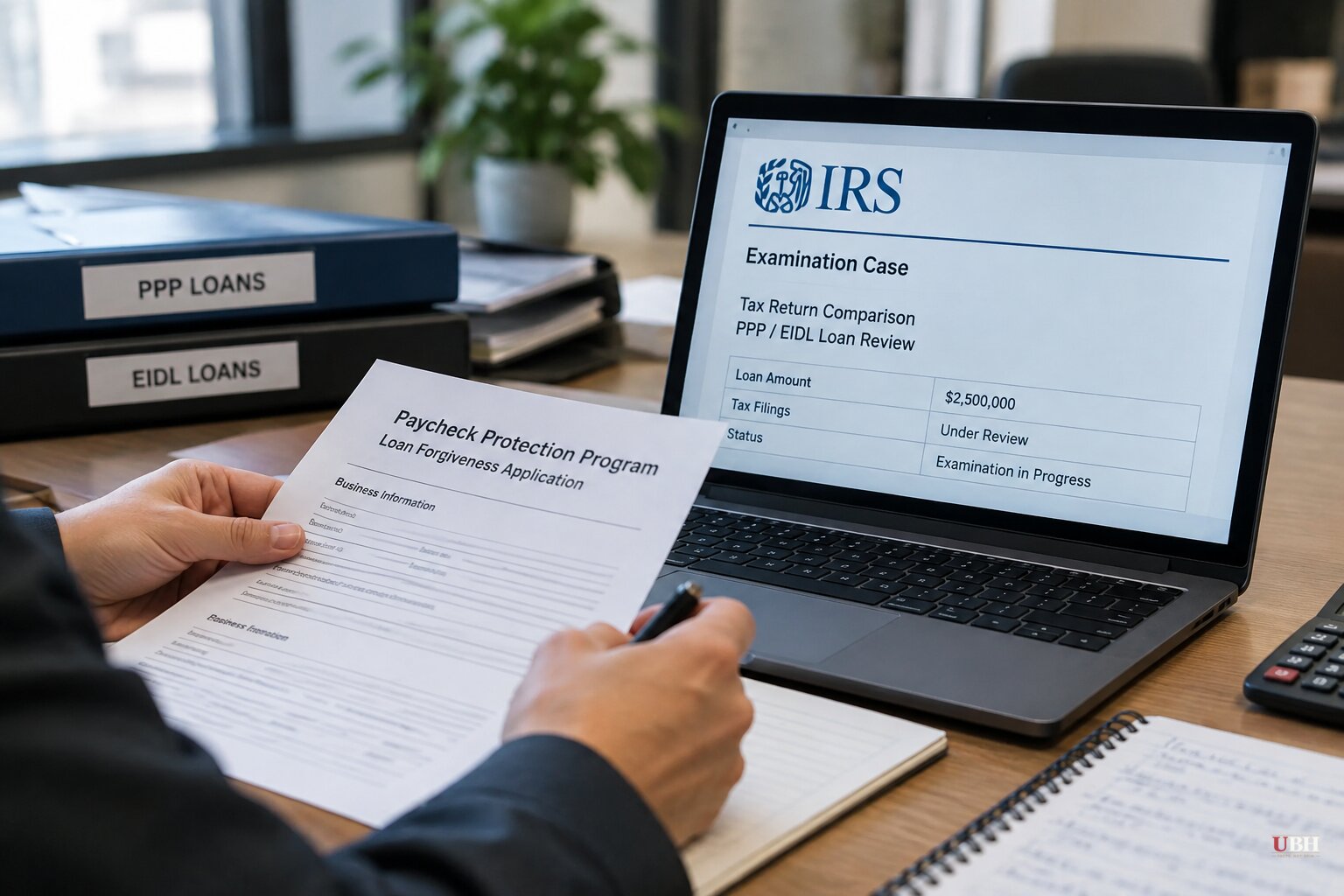
The Small Business Administration and the IRS announced on September 23, 2026 that the tax agency has opened examinations connected to approximately $100 billion in pandemic-era small business loans flagged for discrepancies.
The announcement is the latest step in an enforcement push that began with a much bigger number. Earlier in 2026, the SBA referred more than $200 billion in suspected Paycheck Protection Program (PPP) and COVID Economic Injury Disaster Loan (EIDL) fraud to the IRS. The IRS then compared what borrowers told the SBA on their loan applications against what those same borrowers reported on their tax returns. That comparison turned up discrepancies tied to roughly $100 billion in loans, according to the SBA's statement.
SBA Administrator Kelly Loeffler said the finding sends fraudsters a message. "The IRS's identification of approximately $100 billion in suspected tax fraud sends a clear message: fraudsters who stole from SBA's COVID-relief programs will not only face accountability at the SBA," Loeffler said. "If they inflated payroll, fabricated employee counts, falsified business records, or otherwise lied to obtain taxpayer-funded loans, they will also face scrutiny from the IRS."
IRS Commissioner Frank J. Bisignano confirmed the agency has opened investigations based on the SBA referrals and will pursue penalties for tax fraud where warranted, working alongside the Treasury Department, the SBA Office of Inspector General, the Department of Justice, and the White House Task Force to Eliminate Fraud, which is led by Vice President JD Vance.
The $1.2 Trillion Backdrop
None of this happened in a vacuum. Back in June 2023, under the Biden administration, the SBA's own Office of Inspector General estimated that nearly 20% of the roughly $1.2 trillion disbursed through PPP and EIDL may have gone to fraudulent actors, a figure that translates to well over $200 billion. That 2023 estimate is the foundation for everything that has followed.
Separately, the Government Accountability Office reported in April 2024 that the federal government loses somewhere between $233 billion and $521 billion a year to fraud across all programs, not just pandemic relief.
The SBA has also pointed to a specific failure under the prior administration. In an April 24, 2026 statement, the agency said it had referred 562,000 suspect PPP and EIDL loans to the Treasury Department for collection, loans the SBA is legally required to refer once they're sufficiently delinquent. According to that statement, the prior administration never made those referrals, leaving the debts uncollected for years.
On September 14, 2026, Vice President Vance announced the administration would permanently bar roughly 870,000 borrowers from receiving further federal loans over suspected fraud tied to an estimated $39 billion in COVID-era small business assistance, according to reporting picked up by Indian Panorama's NewsBeep coverage.
Some secondary reporting has muddied those figures. Traders Union reported the SBA suspended "about 1 million borrowers linked to $49 billion in suspected fraud" and referred "$22 billion" to Treasury, numbers that don't match the 870,000-borrower, $39 billion figure attributed directly to the SBA's own statements. Where the two conflict, the SBA's own published figures should be treated as the more reliable count.
What the $100 Billion Doesn't Mean
A discrepancy between a loan application and a tax filing is not proof of fraud, and no borrower has been named, charged, or convicted in connection with this specific $100 billion figure. The IRS's examinations are only now beginning, and Bisignano's own statement frames the number as loans where discrepancies were found, not confirmed tax fraud.
An analysis from MyUSACorporation.com, aimed at small business owners, makes the same point: no blanket audit of all PPP or EIDL borrowers has been announced, differences in reported information require examination before any conclusions can be drawn, and PPP loan forgiveness remains generally excluded from federal taxable income for businesses that followed the rules. The practical advice for legitimate borrowers, per that analysis, is to hold onto loan applications, forgiveness paperwork, and tax records in case the IRS or SBA follows up.
Sweeping enforcement actions built on data-matching can also catch legitimate businesses in the net alongside actual fraudsters, particularly when the underlying paperwork is five or six years old and records have been lost or business owners have moved on. The SBA has not said how many of the flagged $100 billion in loans it expects will result in actual penalties versus turning out to be paperwork errors or reasonable discrepancies.
What comes next is enforcement, not verdicts. The IRS examinations will determine case by case whether additional taxes or fraud penalties apply, and any criminal referrals would go through the Department of Justice separately. No timeline for completing the $100 billion review has been announced.
Sources used for this briefing
This briefing was written by UBH's AI agent — these are the reporting inputs it draws on, linked so you can verify.


