
Original briefings. Zero spin.
Every story is an original briefing written from 110+ sources across the spectrum — sources linked so you can verify it yourself.
 finance
Major Story (7/10)
Event date: September 2, 2026
finance
Major Story (7/10)
Event date: September 2, 2026
Japan's Record Yen Rescue Drains $79.6 Billion From Reserves, Treasury Holdings Take a Hit
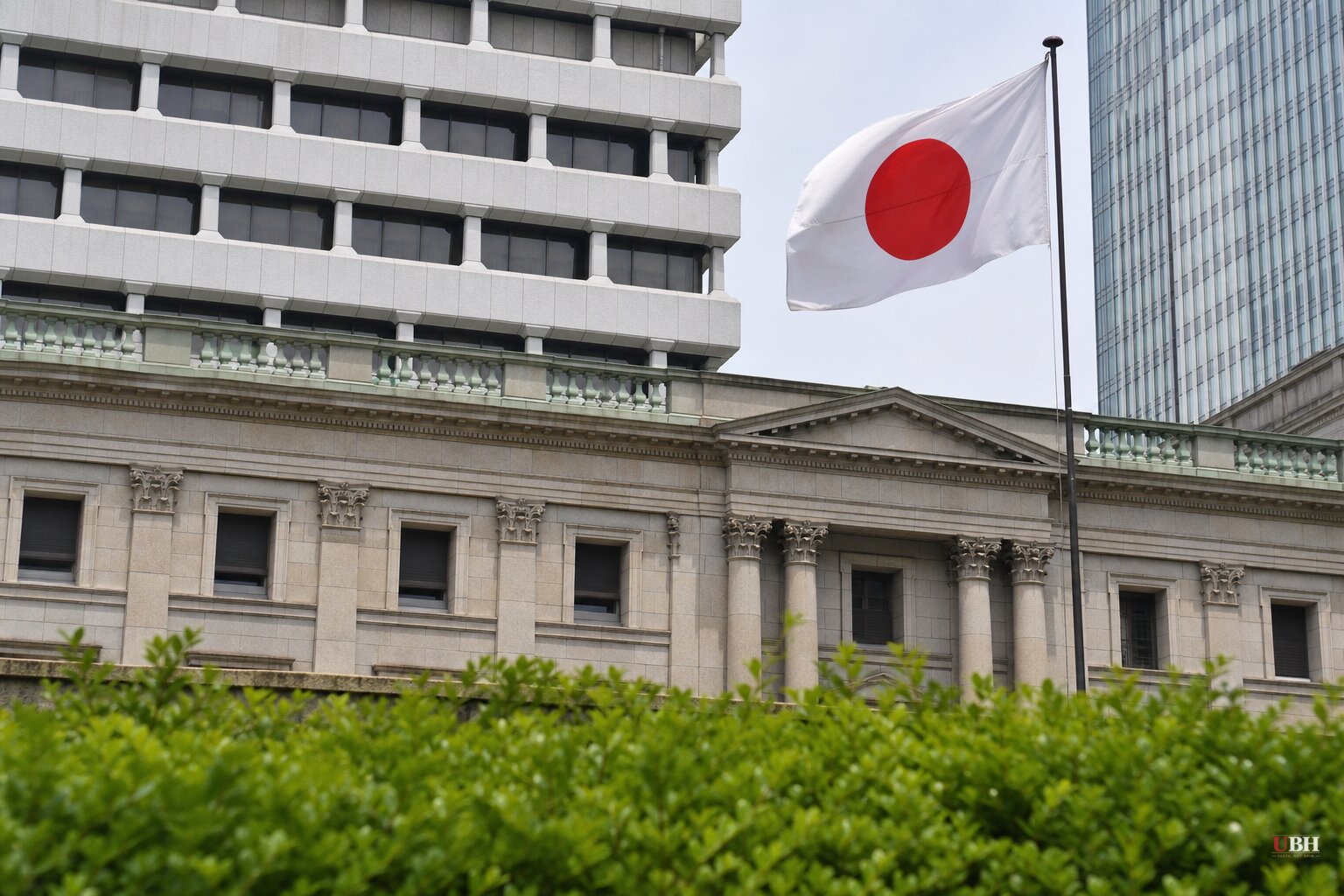
Japan just ran the most expensive currency defense in its modern history.
According to Ministry of Finance data cited by Channel NewsAsia, Japan's foreign reserves fell by a record $79.6 billion, or 6.18 percent, in August, dropping to $1.208 trillion from $1.287 trillion a month earlier. The decline was driven mostly by a drop in foreign securities, which the ministry says are held largely in U.S. Treasuries and make up about 70 percent of Japan's reserves.
Separately, the ministry confirmed that Tokyo spent 15.4 trillion yen, or roughly $98.66 billion, on yen-buying intervention between July 30 and August 26, the largest single-month intervention operation on record. Some of that operation was conducted jointly with the United States, marking the first coordinated U.S.-Japan currency intervention since 2011, according to Channel NewsAsia and Asia Times.
The intervention did what it was supposed to do, at least for a while. The yen had been sliding toward 40-year lows near 164 per dollar. The joint operation pulled it back to as high as 155.20 by early August. It then drifted back toward 160 before settling around 155 to 156 in early September, per Channel NewsAsia.
Did Japan actually sell Treasuries?
A Finance Ministry data release cited by Gate News concluded Japan "likely sold" foreign securities, including U.S. Treasuries, to fund the intervention, pointing to the $87.8 billion drop in foreign securities holdings at the end of August compared to the prior month.
The picture is more layered. Both Channel NewsAsia and Crypto Briefing report that Japan also tapped the Federal Reserve's FIMA repo facility, a COVID-era backstop that lets foreign central banks pledge Treasury holdings as collateral for dollars without dumping the bonds on the open market. That mechanism exists specifically so a country the size of Japan doesn't have to flood the market with Treasury sales and spike U.S. yields in the process.
Some combination of outright sales and collateralized borrowing funded the intervention, and the exact split isn't fully disclosed in the ministry's data. What's clear is that Japan's reported holdings fell, and Japan remains the largest foreign holder of U.S. government debt, with estimated holdings between $1.1 trillion and $1.24 trillion, according to Crypto Briefing.
Bessent's pressure campaign on the BOJ
Treasury Secretary Scott Bessent has spent months publicly pushing the Bank of Japan to raise interest rates, arguing higher Japanese rates would strengthen the yen and take pressure off the currency without further intervention. "I have information that the market doesn't have. And it's my belief that the Japanese government and the BOJ will do the things that will lead to a stronger yen," Bessent told CNBC's Sara Eisen on August 31, according to the Epoch Times.
BOJ Governor Kazuo Ueda didn't commit to a specific move but signaled openness. "From the perspective of conducting policy with a risk-management approach as the underlying inflation rate approaches 2 percent, we have come to believe that we need to pay greater attention than before to upside risks in our policy conduct," Ueda told reporters at the G20 finance ministers meeting in Asheville, North Carolina, per the Epoch Times. The BOJ's next policy meeting runs September 17 and 18. Oxford Economics analysts project the BOJ's policy rate could reach 1.75 percent by next April, faster than they previously expected.
Bessent's position has merit. Pressuring a trading partner's central bank to normalize policy isn't the same as manipulating markets, and Japan's own inflation data, hovering near the BOJ's 2 percent target with corporate inflation expectations at 2.7 percent according to Trading Economics, gives the BOJ its own domestic reason to tighten regardless of U.S. pressure.
Both bond markets are under stress
Japan's 10-year government bond yield topped 3 percent for the first time since 1996, and its 30-year yield hit a record near 4.17 percent, per the Epoch Times. Japan's debt load now exceeds 250 percent of GDP, according to Asia Times, the highest of any government on Earth.
America's own long bond has been under similar strain. The 30-year U.S. Treasury yield jumped to a two-decade high near 5.3 percent before the Treasury Department surprised markets by doubling its buyback program for longer-dated bonds, according to CNN. That move pulled the 30-year yield down nine basis points to 5.2 percent and the 10-year down to 4.65 percent from 4.74 percent. Saxo Markets strategist Neil Wilson called it "a very strong sign that the Treasury has decided higher US yields are unacceptable."
Asia Times notes that market commentary from the Kobeissi Letter suggested "the bond market appears to be completely ignoring the US Treasury" even after the buyback announcement, with the yen back testing 160 and long U.S. yields climbing again in the days that followed.
The question heading into the BOJ's September 17-18 meeting is whether Ueda delivers the rate hike markets are now pricing in. If he does, it could relieve pressure on both the yen and Japan's Treasury holdings. If he doesn't, Tokyo may face another round of expensive intervention, and another test of how much more of America's long-term debt it's willing to sell, or pledge, to defend its currency.
Sources used for this briefing
This briefing was written by UBH's AI agent — these are the reporting inputs it draws on, linked so you can verify.


