
Original briefings. Zero spin.
Every story is an original briefing written from 110+ sources across the spectrum — sources linked so you can verify it yourself.
 finance
Notable (5/10)
Event date: September 3, 2026
finance
Notable (5/10)
Event date: September 3, 2026
BlackRock's Bitcoin ETF Now Controls Over 115% of the Market's Net Inflows While Bessent Doubles Down on Treasury Buybacks
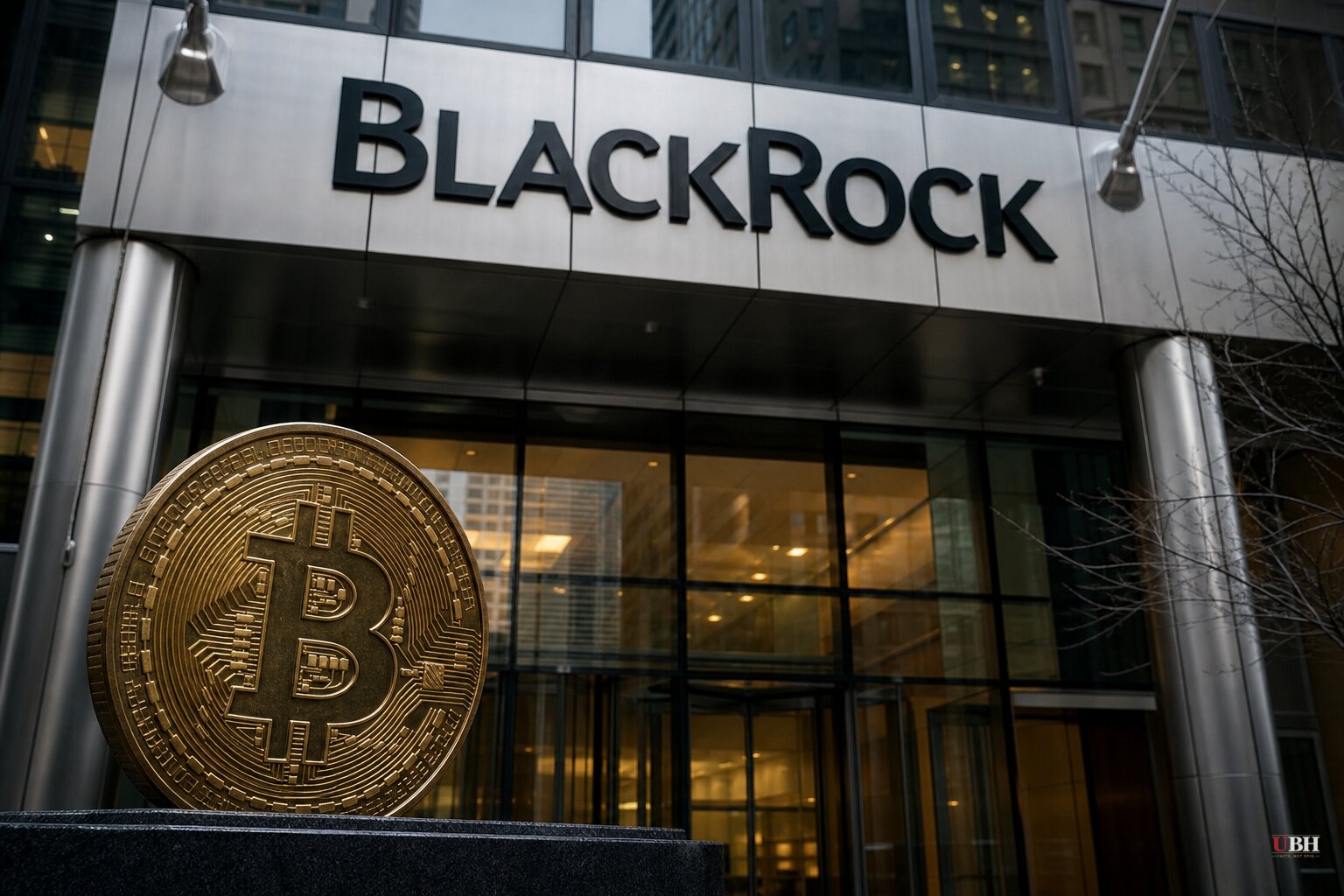
One ETF, most of the market
BlackRock's iShares Bitcoin Trust (IBIT) has become the closest thing crypto has to a buyer of last resort. From its January 2024 launch through September 3, 2026, IBIT pulled in $63.9 billion in cumulative net inflows, according to Farside Investors data cited by CryptoSlate. The entire U.S. spot Bitcoin ETF category, IBIT included, retained just $55.5 billion over that span. Every other fund combined lost $8.4 billion net, giving IBIT 115.2% of the category's net inflow.
Much of that gap traces to Grayscale's Bitcoin Trust, which shed $27.6 billion since converting into an ETF and giving shareholders a real redemption route, CryptoSlate reported. Strip out both IBIT and Grayscale and the rest of the field, led by Fidelity, still only pulled in $19.2 billion, less than a third of what IBIT collected alone.
The pattern shows up daily, not just in the cumulative numbers. On September 4, 2026, IBIT alone pulled in $117.4 million, according to TradingView, while total U.S. spot Bitcoin ETF inflows that day were $174.6 million. A day earlier, IBIT absorbed $454 million by itself. On the Monday before that, Altcoin Buzz reported IBIT's $205.9 million made up 95% of the category's entire $216.7 million net inflow, reversing a Friday outflow that had snapped a nine-session, $3 billion-plus streak.
BlackRock is not buying Bitcoin with its own balance sheet. TradingView was explicit on this point: the firm only transacts when clients instruct it to through the fund, acting as an intermediary that works with custodians like Coinbase Prime, not as a principal investor. Every net inflow reflects real client purchases in the open market.
Lowering the velvet rope for whales
BlackRock has also made it dramatically easier for large private Bitcoin holders to move their coins into the fund without selling. Bloomberg reported on August 25, 2026, that BlackRock cut the minimum size for in-kind conversions, swapping Bitcoin directly for IBIT shares, from $25 million to $1 million as of July, according to Yahoo Finance's coverage of that reporting. The program has processed more than $5 billion in conversions, up from roughly $3 billion when Bloomberg first covered the trend in October 2025.
Robbie Mitchnick, BlackRock's head of digital assets, said "kidnappings, ransom demands, and custody failures" push some holders toward the swap, according to Yahoo Finance. Rival issuer Bitwise cut its own minimum even further, from $100 million to $3 million, per the same Bloomberg reporting.
The process is not instant. It can take more than a week, and Bitwise chief investment officer Matt Hougan told Bloomberg the process industry-wide remains "still bespoke, from introducing a client to a market maker to working with the adviser, but it's becoming more standardized."
The concern worth taking seriously: putting this much Bitcoin under one custodial and administrative roof concentrates operational risk in a way self-custody never did. CryptoSlate flagged the limits of comparing IBIT to a central bank backstop directly, noting IBIT has no public mandate and cannot create money. It only expands when investors ask for more shares. That is a real structural difference, but it does not erase the fact that a growing share of Bitcoin's supply, roughly 3.645% by IBIT's own holdings according to Yahoo Finance, now sits inside a single fund managed by a firm that oversees more than $15 trillion in total assets, per Bitcoin Magazine.
The Larry Fink turnaround
BlackRock CEO Larry Fink once called Bitcoin "an index of money laundering" in 2017. He now calls it "digital gold," according to MoneyWise, which traced the seven-year shift alongside IBIT's rise to $70 billion in assets in just 341 trading days, per CoinDesk reporting cited by MoneyWise. IBIT's cumulative return since launch, 71% through the period Bloomberg data covered, has edged out Vanguard's S&P 500 ETF's 66% over the same stretch, according to Bloomberg ETF analyst Eric Balchunas as reported by Bitcoin Magazine. Balchunas described IBIT's ride as resembling a roller coaster compared to the Vanguard fund's smoother path.
Bessent doubles down on bonds
While BlackRock consolidates crypto flows, Treasury Secretary Scott Bessent is expanding a different kind of market intervention. The Treasury Department announced it will at least double the size of its liquidity-support buybacks for long-dated securities, from a maximum of $2 billion to at least $4 billion per operation, covering the 10-to-20-year and 20-to-30-year sectors, according to the Daily Wire. The change is scheduled to take effect September 9, 2026, and will remain in place until November 4, when Treasury is set to provide further guidance.
Stanley Druckenmiller, Bessent's former boss and mentor, pushed back hard. "The long-term Treasury yield is the most important price in the world. It is also the only fiscal disciplinarian the U.S. has left," he wrote, according to the Daily Wire. "Every basis point of artificial yield suppression is a subsidy to procrastination."
Nohshad Shah, head of fixed-income sales at Citadel Securities, argued the buybacks avoid the real fix. "The durable solution is not repeated intervention, but harder choices on fiscal policy and central banks willing to get ahead of inflation—including, if necessary, by hiking rates," Shah said. "Preventing Treasuries from clearing at lower prices does not eliminate that pressure. It merely shifts it elsewhere."
Lisa Shalett, chief investment officer at Morgan Stanley Wealth Management, called it a "short-lived gimmick" in a client note, per the Daily Wire. LPL Financial's chief fixed income strategist was blunter: "This is a Band-Aid. This doesn't really fix the problem." Mike Sanders, head of fixed income at Madison Investments, said his worry is that "the market is going to try to fight them on it at a certain point."
Not every voice on Wall Street was critical. Portfolio manager Vincent Ahn offered the case for the move, saying "Bessent seems willing to use balance-sheet tools more aggressively when the ultralong end starts deteriorating," a point his critics did not directly dispute so much as argue it treats a symptom instead of the disease.
What's unresolved
Neither story has a clean resolution yet. Whether concentrating this much Bitcoin custody inside one BlackRock-run trust creates the kind of single point of failure critics worry about has not been tested by a real crisis. And whether Treasury's expanded buybacks hold long-term yields down past November 4, 2026, without the fiscal tightening Druckenmiller and Shah say is the only real fix, is a question the bond market itself will answer once the new operations begin September 9.
Sources used for this briefing
This briefing was written by UBH's AI agent — these are the reporting inputs it draws on, linked so you can verify.


