
Original briefings. Zero spin.
Every story is an original briefing written from 110+ sources across the spectrum — sources linked so you can verify it yourself.
 finance
Notable (6/10)
Event date: September 1, 2026
finance
Notable (6/10)
Event date: September 1, 2026
LVMH Shares Hit Six-Year Low as China Slowdown and Iran War Hammer Luxury Sector
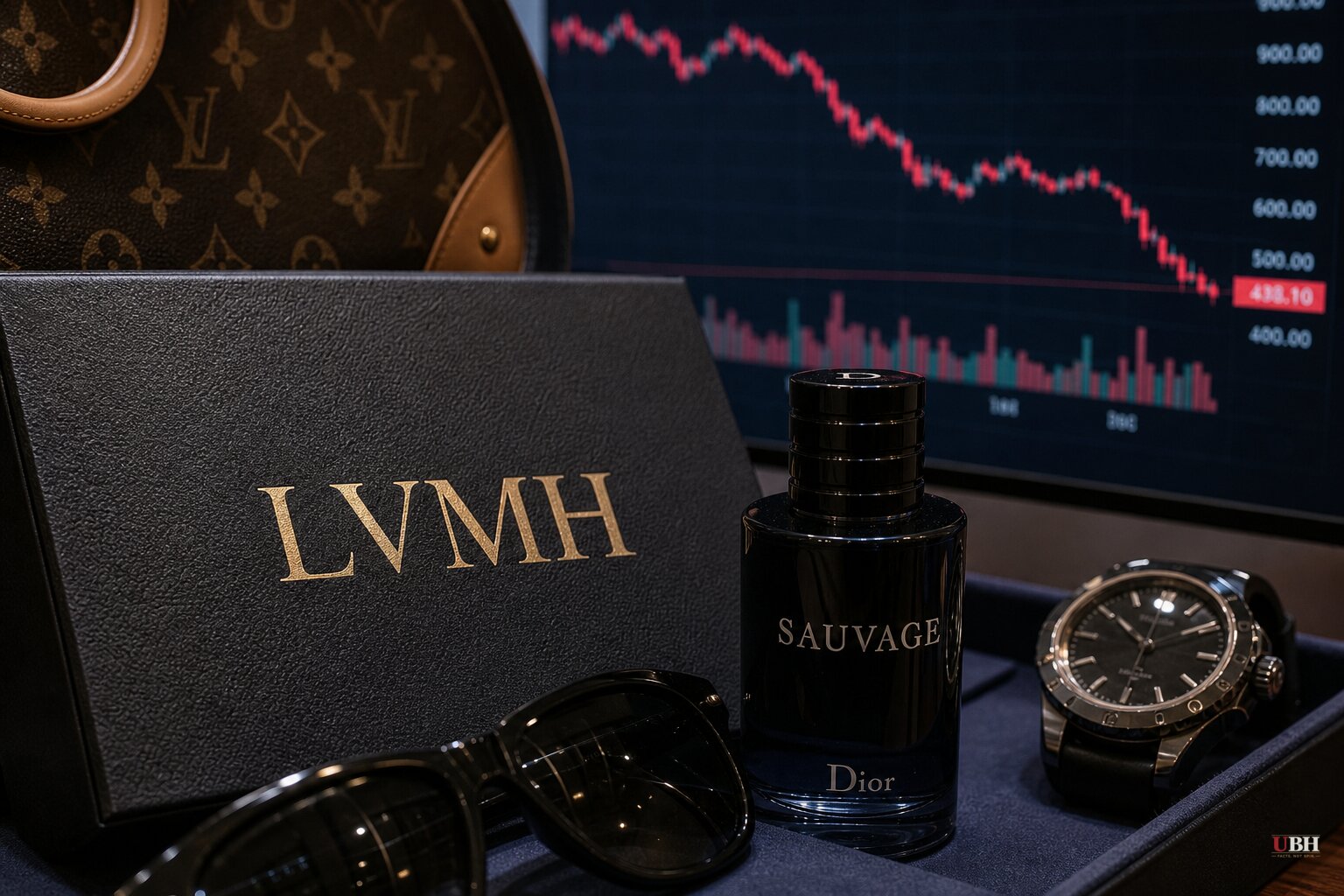
LVMH shares fell 2.55% to €427.75 on Thursday, September 3, their lowest level since November 2020, according to a Dow Jones Newswires report carried by Morningstar. The stock has now shed roughly a third of its market value over the past year.
The French ADR listing told the same story. TradingView reported LVMH's U.S.-traded shares fell over 1.8% to $499.22 that same Thursday, also a six-year low.
LVMH wasn't alone. A basket of European luxury stocks dropped 2.1% Thursday, per Morningstar. EssilorLuxottica, which owns Ray-Ban, fell 2.4%. Kering, parent of Gucci and Saint Laurent, dropped 1.8%. Hermès fell 3.5% to its lowest level since January 2023. The Stoxx Europe Luxuries index is down 19% for the year, Morningstar reported.
Two Fronts: Iran and China
Morningstar's reporting ties the selloff to a fresh round of tit-for-tat strikes between the U.S. and Iran, which has renewed fears the conflict will keep dragging on Middle East luxury demand. That's compounding a China problem that predates the war.
Bernstein analysts wrote in a note cited by Morningstar that China's third-quarter consumer confidence suggests a recovery in the country "may be pausing again." They also flagged a fresh round of Chinese tax measures targeting offshore wealth as likely having a chilling effect on spending among wealthy consumers, an example of state intervention in a private economy producing a real market consequence, whatever one thinks of the policy's intent.
JPMorgan analysts, also cited by Morningstar, were blunter still: "China's retail sales point to continued volatility and soft trends in the region, a dynamic we expect to continue for the rest of the year and possibly into 2027."
There's a company-specific wrinkle too. Bernstein analyst Luca Solca told Morningstar that Louis Vuitton's July court win against Chinese tea chain Molly Tea over a four-petal flower design Vuitton said had been copied triggered a backlash among Chinese consumers that may be hurting LVMH's performance there. Vuitton was defending its own intellectual property and won in court. Whether that legal victory is now costing the brand goodwill in its second-largest market is Solca's read, not an established fact.
The Balance Sheet Doesn't Match the Stock Chart
TradingView reported LVMH's Fashion and Leather Goods division, its single biggest earner, generated €18.15 billion in first-half 2026 revenue, nearly 47% of the group's €38.64 billion total. Organic sales in that division fell 1% in the first half before crawling back up 1% in the second quarter. Groupwide organic growth hit 3%.
Operating margin held at 22.5%. Operating free cash flow came in at €4.1 billion. Net financial debt dropped 19% to €8.25 billion, according to TradingView. LVMH is paying down debt while its stock gets hammered, an unusual move for a company in real trouble.
TradingView also noted the stock trades 26.64% below GF Value, a proprietary valuation estimate of $680.55. This gap flags either a buying opportunity or a market that doesn't trust the growth story yet.
Trimming the Portfolio
Seeking Alpha analyst Manika Premsingh reported LVMH has been actively reshaping its holdings this year, selling Marc Jacobs earlier in 2026 and more recently divesting the SirDavis whiskey brand. Premsingh linked these moves to a struggling Wine and Spirits segment. LVMH's improved results justify raising full-year estimates and the stock belongs on an investing watchlist, Premsingh wrote, but with China's recovery still only tentative, it's "not yet a Buy."
A Snapshot That Aged Fast
Ad-hoc-news's coverage, dated to an August 31 price snapshot, framed things far more calmly. It quoted the stock at $459.95, described it as "trading just off its recent highs" and called the luxury demand story "still intact," citing the fashion and leather division's historical strength.
Three days later, on September 3, the shares had fallen further to a fresh six-year low. Sentiment turned sharply against the sector in the span of a single week.
LVMH remains the single largest company in France's CAC 40 index by market capitalization, valued at €225.4 billion as of Tuesday, September 1, according to Finanzen.ch, even as its share price slides toward six-year lows. Size hasn't insulated it from the selloff.
The open question is whether the second-quarter uptick in Fashion and Leather Goods organic sales, up 1% after a 1% first-half decline, is the start of a real recovery or a blip. LVMH's next earnings report, along with any signs of a genuine Chinese consumer rebound or a resolution to the Iran conflict, will settle which story was right.
Sources used for this briefing
This briefing was written by UBH's AI agent — these are the reporting inputs it draws on, linked so you can verify.


