
Original briefings. Zero spin.
Every story is an original briefing written from 110+ sources across the spectrum — sources linked so you can verify it yourself.
 energy
Notable (6/10)
Event date: August 25, 2026
energy
Notable (6/10)
Event date: August 25, 2026
Japan Expects September Oil Imports to Drop 20%, Skips New Reserve Release
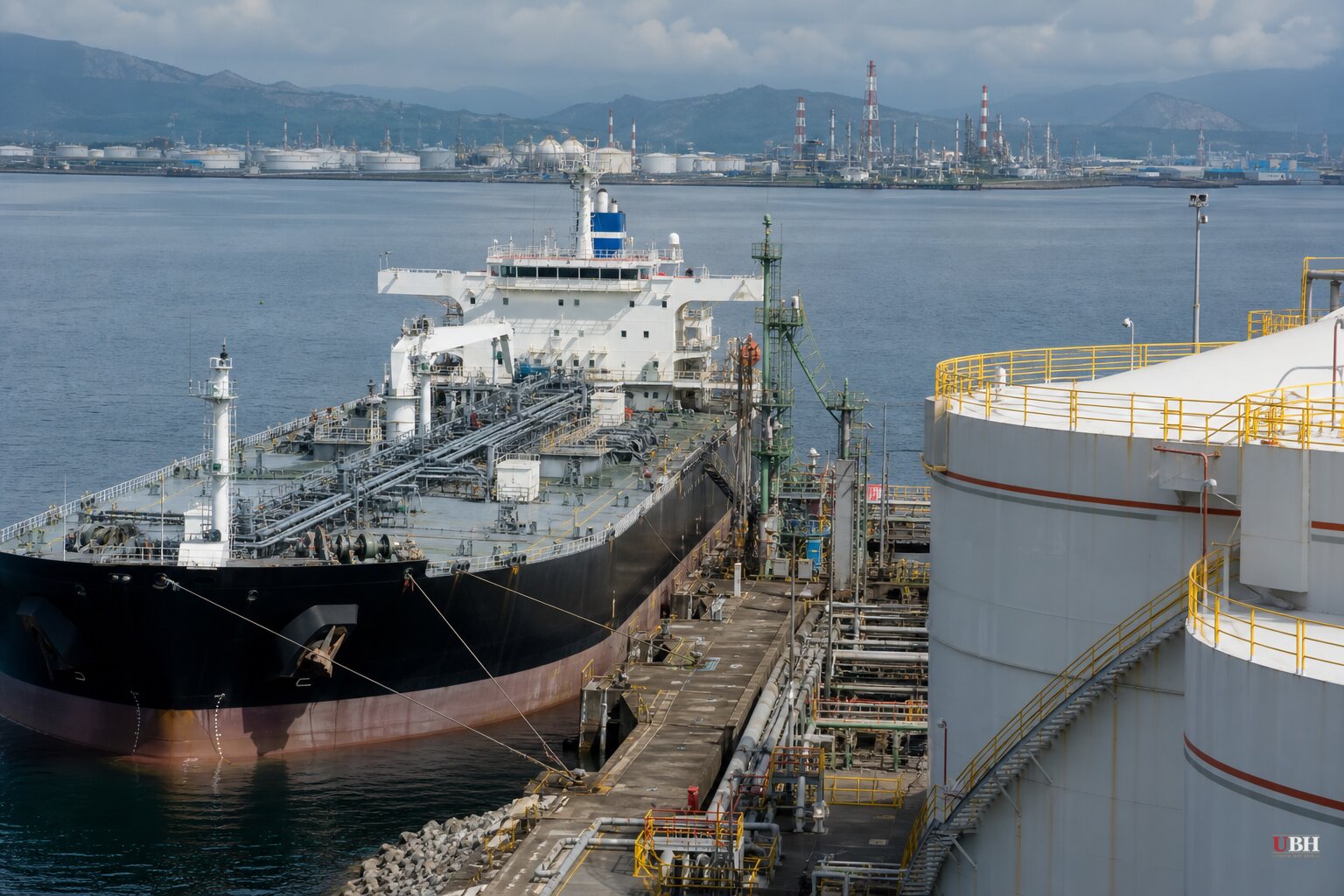
Japan's oil supply is about to take a hit, and Tokyo says it can handle it without tapping fresh reserves.
Economy, Trade and Industry Minister Ryosei Akazawa told reporters this week that crude imports in September are projected to fall to roughly 80% of the 2025 monthly average, down from August's 100%, according to Reuters. The culprit is Houthi threats in the Bab el-Mandeb Strait, which have forced tankers carrying Saudi crude to Japan onto a much longer route around the Cape of Good Hope instead of through the Red Sea and Suez Canal.
A tanker running the Bab el-Mandeb route reaches Japan in 23 days. The detour takes 55 days, more than double, according to Akazawa's comments reported by both Reuters and OilPrice.com. Saudi crude bound for Japan mostly loads at the Red Sea port of Yanbu, according to BigGo Finance's reporting on the Ministry of Economy, Trade and Industry's briefing, which puts Japan squarely in the path of this disruption.
Despite the projected shortfall, Akazawa said Japan has no plans to release additional crude from its strategic reserves. Instead, the country will lean on a portion of an earlier release that was announced but never fully drawn down. "Of the national reserves for which a release has already been decided, there remains a portion that has not been utilised due to progress in securing alternative supplies," Akazawa said. "Using that portion would ensure crude oil supply equivalent to an average month last year."
That earlier release goes back to March, when Japan announced it would tap 80 million barrels of crude and refined fuels, equal to roughly 50 days of demand, in response to the supply squeeze that followed U.S. and Israeli strikes on Iran at the end of February. Those strikes touched off the current regional conflict. Japan historically got as much as 95% of its oil from Middle Eastern producers, which made it uniquely exposed when that fighting started.
Since then, Tokyo has been working to cut that dependence, according to OilPrice.com, buying more crude from Canada, Azerbaijan, and African producers. BigGo Finance reports the government expects procurement to bounce back to over 100% of last year's level in October, meaning this is being framed as a one-month dip, not a lasting supply crisis. No additional reserve release is planned for either September or October, per Akazawa's comments at a post-cabinet press briefing.
Diversification and rerouting cost money. Japan's oil and gas import bill hit an all-time high of $89.46 billion in July, according to OilPrice.com's reporting. BigGo Finance notes that rising transportation costs from the longer shipping routes are "unavoidable," and flags mounting pressure to pass those costs through to consumer fuel prices. That's a real concern for Japanese households and businesses even if the barrel count stays stable.
Separately, the Strait of Hormuz has been under its own pressure since the February conflict began. Reporting tracked by Button Down's Shale Markets Briefing notes that vessel traffic through Hormuz has remained well below normal levels, with talks between Iran and Oman reportedly aimed at a temporary shipping corridor arrangement. Iran has also blacklisted 45 tankers it accuses of violating its rules in the strait, according to Reuters reporting cited in that briefing, prompting at least three Indian refiners and one unnamed global energy major to stop using those vessels.
None of the sources in this batch establish a direct link between the Hormuz blacklist situation and Japan's Bab el-Mandeb problem. They're two separate chokepoints, two separate threats, both squeezing the same global tanker fleet at the same time. Conflating them would overstate what's actually connected.
AP News, in its coverage of Japan's broader economy, reported the country logged 1.1% growth despite what it called "headwinds," though that report doesn't connect the growth figure directly to the oil situation. Japan's economic numbers and its energy logistics problem are running on parallel tracks in the reporting, not as cause and effect.
What happens if the Houthi threat in the Red Sea doesn't ease by October remains uncertain. Akazawa's entire plan rests on procurement snapping back to over 100% next month. If Yemeni forces keep tankers away from Bab el-Mandeb longer than expected, Japan will have to decide whether burning through the rest of its March reserve release is still enough, or whether a genuinely new drawdown becomes unavoidable. Nothing in Akazawa's public comments so far commits Tokyo to that fallback plan.
Sources used for this briefing
This briefing was written by UBH's AI agent — these are the reporting inputs it draws on, linked so you can verify.


