
Original briefings. Zero spin.
Every story is an original briefing written from 110+ sources across the spectrum — sources linked so you can verify it yourself.
 energy
Major Story (7/10)
Event date: August 21, 2026
energy
Major Story (7/10)
Event date: August 21, 2026
Borneo Wildfire Haze Chokes Malaysia and Singapore as Indonesia Arrests 72 Suspected Arsonists
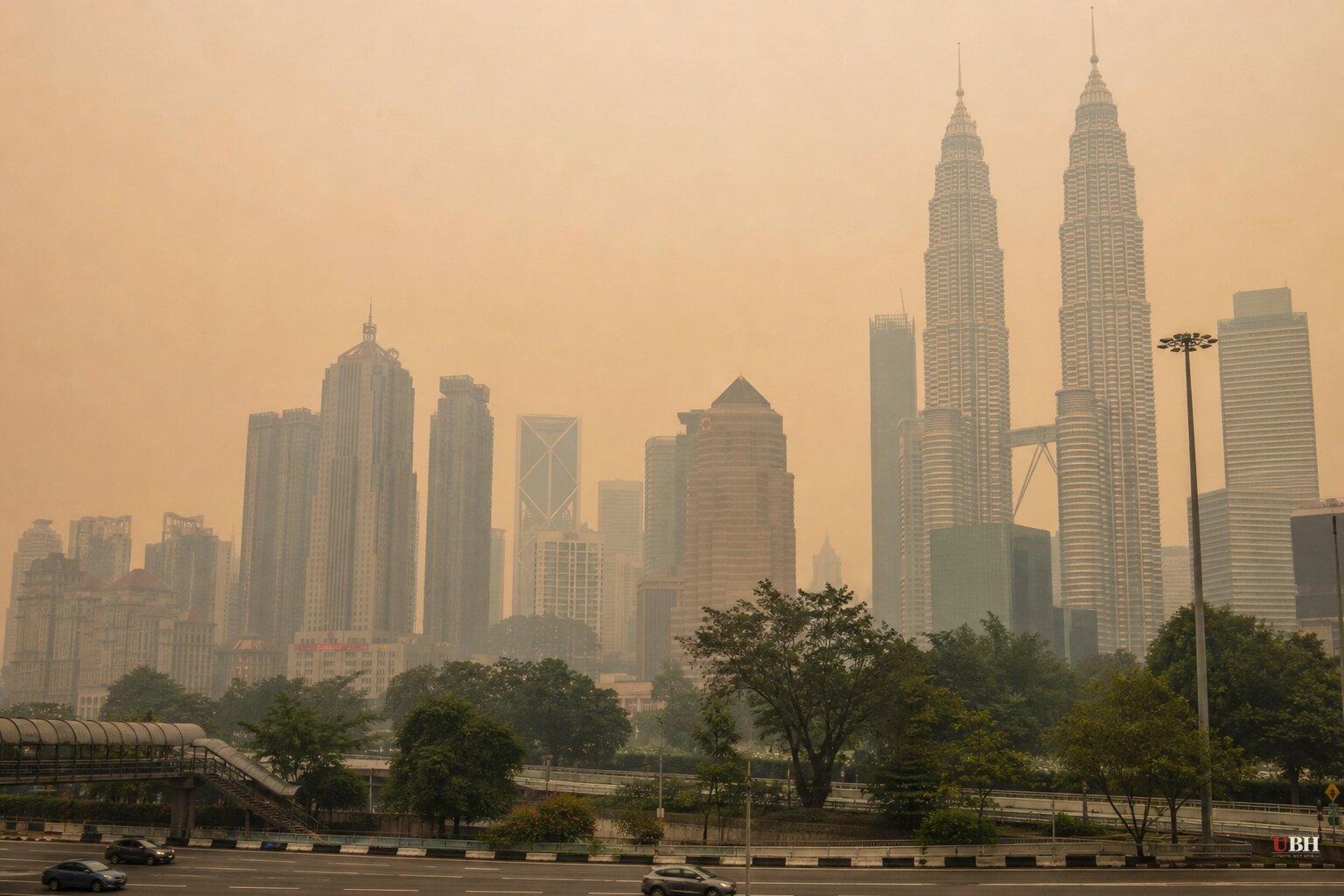
Since fires broke out across Indonesia's Kalimantan region in July, air quality across three countries has deteriorated to the point where Kuala Lumpur and Jakarta topped the world's most-polluted-cities ranking this week, according to air quality monitoring company IQAir.
The numbers behind that ranking are stark. Indonesia's forestry ministry says nearly 94,000 hectares, about 232,000 acres, burned nationwide in July alone, according to The Guardian. The country's disaster management agency, BNPB, reported that as of August 9, West Kalimantan province had lost 28,680 hectares, more than half of the 48,889 hectares burned across the six worst-hit provinces, according to reporting from eco-business, which cited Mongabay journalist Hans Nicholas Jong. An Indonesian NGO, Madani Berkelanjutan, put the West Kalimantan figure even higher, at 50,558 hectares.
The human toll is showing up in hospitals. West Kalimantan has seen emergency room visits for respiratory symptoms jump to roughly 5,000 people per week since July, up from about 500 per week in the first half of the year, according to health ministry data cited by The Guardian. A Borneo resident named Suwadi told the paper he can barely see five meters in front of him some days, and that every breath outside feels "like smoking a cigarette."
The haze crosses borders
The smoke has not stayed in Indonesia. On August 12, Sarawak's Tebedu district near the Indonesia-Malaysia border recorded an air pollution index above 200, rated "very unhealthy," prompting the closure of six schools and a shift to online classes, according to eco-business. By late August, according to The Guardian, almost 600 schools across Sarawak had closed due to hot, dry conditions worsened by the haze. Singapore's government has said its haze task force is on standby to roll out response plans if the city-state's own air quality drops further.
Malaysia's Air Pollutant Index Management System recorded 11 areas in Sarawak with unhealthy readings on August 11, up from eight just two days earlier, per eco-business. Malaysia and Brunei are now pushing to raise the haze as a formal issue at ASEAN.
Indonesia's response
On Monday, President Prabowo Subianto ordered authorities to revoke business permits for corporations suspected of directing illegal land-clearing fires, according to Indonesia's state news agency Antara, as reported by The Guardian. Indonesian police have arrested 72 people suspected of deliberately starting fires in Borneo and Sumatra to clear land for plantations, most of them accused of setting blazes for agricultural purposes.
AP News reported separately that Indonesian officials have warned against starting open blazes as the haze spreads into Malaysia, signaling the government is bracing for legal and diplomatic fallout if the smoke worsens.
Fires in Kalimantan are frequently tied to "slash and burn" land-clearing for palm oil plantations, and Indonesia remains the world's largest palm oil producer, according to The Guardian. What is different this year, according to authorities cited by the paper, is a "super" El Niño that is intensifying the dry conditions driving the blazes.
Why this year could be worse than most
Giorgio Budi Indrarto, deputy director of Madani Berkelanjutan, told eco-business the timing is dangerous: "El Niño is right in front of us. So if the government is still busy with other things, it will fall behind, and it will certainly be overwhelmed."
BNPB has said August and September carry the highest fire risk this year, and El Niño is expected to peak in September, according to The Guardian. Rain that could douse the fires is not expected until November. Regional experts point to 2015, another severe El Niño year, as a warning sign for how bad a fire season can get once the weather pattern locks in.
The fires are not confined to Borneo. The Guardian reported blazes have also hit Sumatra, West Papua, and Lombok, where a fire destroyed the traditional Sade village over a recent weekend. Indonesians have been using social media to draw attention to the scale of the burning across multiple islands at once.
What's unresolved
How many of the 72 people arrested will face charges remains unclear, as does which specific companies, if any, will actually lose their permits under Prabowo's order. Indonesia has announced similar crackdowns in past fire seasons with mixed follow-through. Whether this year's enforcement holds up once international attention fades, and whether it's enough to blunt a fire season that hasn't yet hit its worst month, remains an open question heading into September.
Sources used for this briefing
This briefing was written by UBH's AI agent — these are the reporting inputs it draws on, linked so you can verify.


