
Original briefings. Zero spin.
Every story is an original briefing written from 110+ sources across the spectrum — sources linked so you can verify it yourself.
 energy
Notable (6/10)
Event date: August 16, 2026
energy
Notable (6/10)
Event date: August 16, 2026
USDA Declares Drought Disaster for 26 Puerto Rico Municipalities as San Juan Suffers Driest July in 120 Years
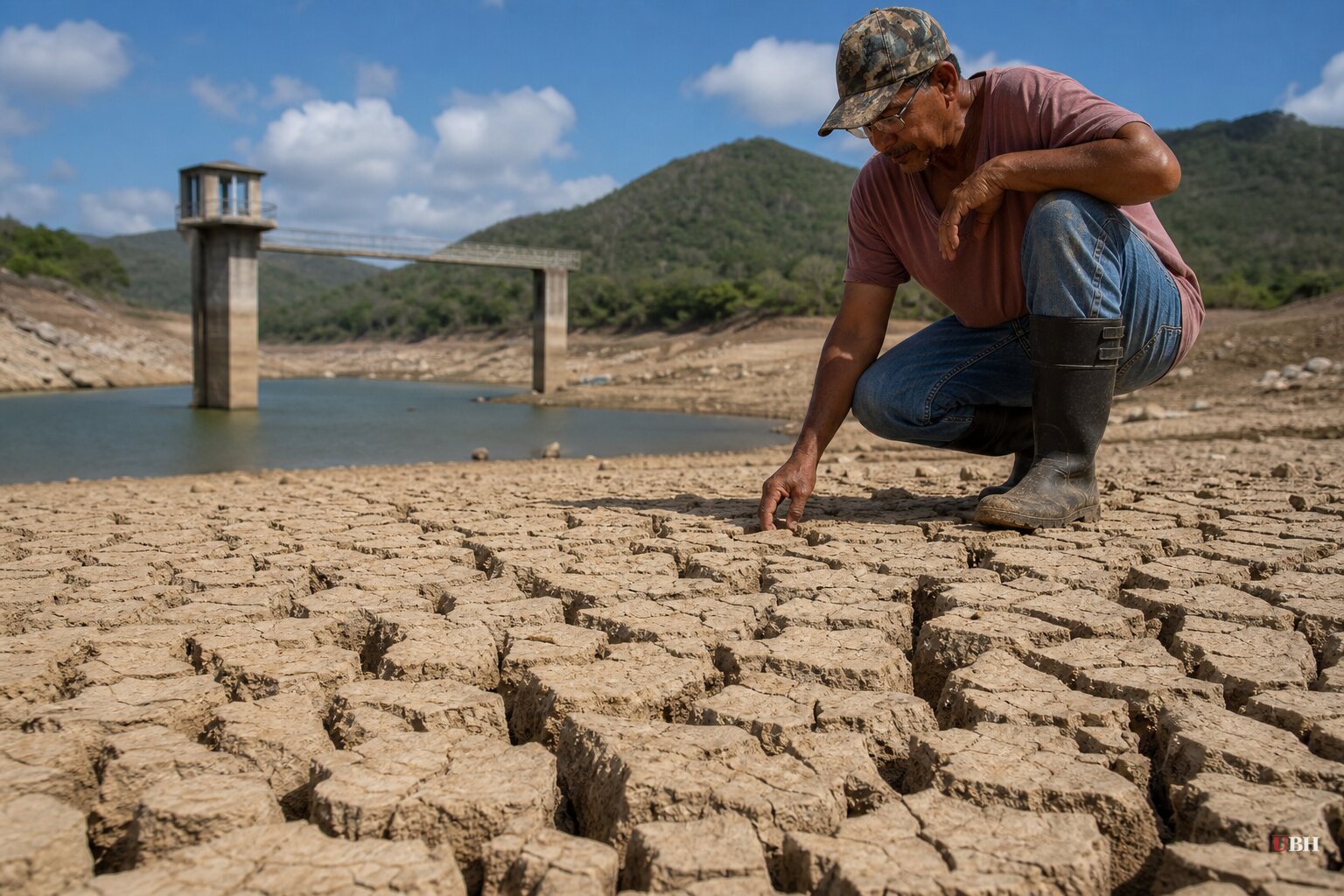
The U.S. Department of Agriculture declared a drought disaster on Wednesday for 26 of Puerto Rico's 78 municipalities, opening the door for farmers to apply for emergency loans as one of the island's worst dry spells in over a century drags on with no end in sight, according to the Associated Press.
More than 33% of Puerto Rico sits under extreme drought right now. Another 30% is in severe drought. July was San Juan's driest month on record in more than 120 years of data, and its second-hottest month ever, per the AP.
Gov. Jenniffer González said she formally requested the disaster declaration from USDA more than two weeks before Wednesday's announcement. "From the very beginning, we made clear the needs of our farmers," she said. For farmers already watching crops die in the ground, federal paperwork doesn't move at the speed of a drought.
The declaration covers municipalities including Cabo Rojo, Ponce, Yauco, Aibonito and Lares. Puerto Rico Agriculture Secretary Irving Rodríguez called it "an important step" and urged affected producers to document their losses to access the loans.
Farmers Are Already Bleeding Money
Naia Seda runs a 15-acre farm growing avocados, plantains, lemons and cassava. It hasn't rained on her land since April. She's worked the farm since 2009 and told the AP she's "never seen something like this." The ground is cracked several feet deep.
Her situation shows how infrastructure failures compound a natural disaster. The irrigation canal serving her farm and 300 others in Lajas used to deliver water three times a week. In June, officials cut that to once a week, according to the AP.
Fello Pérez, a technical assistance provider for the North Carolina-based nonprofit RAFI, said farmers running hydroponics and soil vegetable operations have been hit hardest. Fruit growers — coffee, cacao, plantains, bananas — are watching fruit drop green off the tree before ripening. "The harvest was ahead of schedule," Pérez said, meaning the drought accelerated crop failure rather than just delaying it.
Livestock farmers can't feed their animals and have been dumping young bulls at rock-bottom prices with no buyers, Pérez said. Some farmers have been losing money since May; one gave up and went back to working as a mechanic to pay bills, according to Pérez.
Rationing Hits San Juan
Puerto Rico's governor declared a state of emergency in late July and activated the National Guard to transport, distribute and purify water, according to the AP and the LA Times. In early August, rationing measures kicked in for parts of San Juan and six other cities.
More than 180,000 water customers are without water for 48 hours at a time on a rotating schedule, according to the AP and the LA Times. Water trucks are prioritizing hospitals and elderly residents, according to the LA Times.
Fox News also flagged a real consequence beyond the island's farms: tourism. American travelers with trips booked to San Juan are asking on Reddit forums whether hotels and restaurants can function through the rationing. Answers varied: some locals say hotels run on cisterns and generators and will be fine, others warned visitors to expect paper plates and no ice in drinks. At least one traveler canceled a trip outright, per Fox News's reporting.
Not Just Puerto Rico, and Not Just Weather
The LA Times reported meteorologists are pointing to El Niño as the driver behind the current dry spell, and that the same pattern has hit the neighboring U.S. Virgin Islands hard enough that USDA issued a separate drought disaster declaration earlier in August for St. Thomas, St. John and St. Croix.
But the LA Times also noted Puerto Rico's water problems aren't purely a rainfall story. The island's water system suffers from what the paper called "crumbling infrastructure," a separate and longer-running issue layered on top of the drought.
A natural drought is nobody's fault. Decades of underinvestment in pipes, canals and reservoir management is a policy failure, and it's one that predates this particular dry spell by years. The Epoch Times' separate reporting on Lake Mead's record-low levels in the western U.S. makes a similar point about aging water infrastructure meeting rising demand. Nevada has cut per-person water use for decades while population growth keeps outpacing conservation gains.
What Happens Next
The disaster declaration means farmers in the 26 covered municipalities can now apply for USDA emergency loans, but only if they document their losses, per Secretary Rodríguez. Whether that money arrives fast enough to save this year's harvest is an open question. Pérez said some farmers have already been losing money since May, months before Wednesday's declaration.
No end date for the rationing program or the drought itself has been announced by Puerto Rico's government.
Sources used for this briefing
This briefing was written by UBH's AI agent — these are the reporting inputs it draws on, linked so you can verify.


