
Original briefings. Zero spin.
Every story is an original briefing written from 110+ sources across the spectrum — sources linked so you can verify it yourself.
 finance
Notable (5/10)
Event date: August 28, 2026
finance
Notable (5/10)
Event date: August 28, 2026
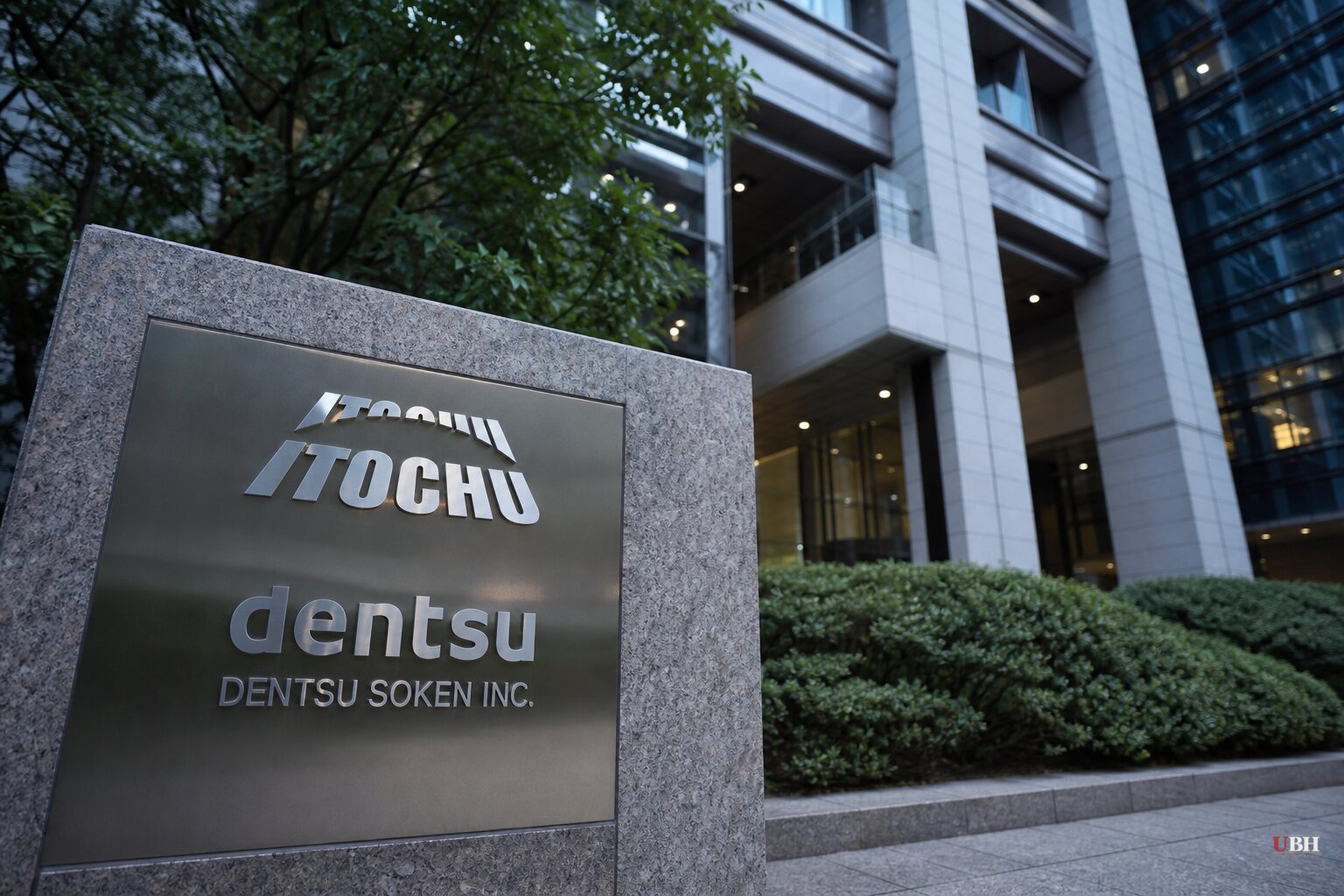
Itochu to Buy Out Dentsu Soken for $1.3 Billion, Ending a Japanese Governance Problem
The deal
Itochu Corp confirmed Monday it will launch a tender offer to take Dentsu Soken Inc private, according to a company statement reported by Bloomberg and the Japan Times. The trading house will pay ¥2,880 (about $18.07) per share for roughly 75 million shares, valuing the buyout at approximately ¥215.2 billion, or $1.3 billion.
The tender offer is set to begin around early November and close around early December, according to both outlets, contingent on approval from Japanese and overseas competition regulators, Jiji Press reported via Nippon.com.
Itochu will run the deal through Godo Kaisha VIC, a limited liability vehicle formed July 14, 2026, according to tokyobrief. The vehicle is 80% owned by Itochu and 20% owned by its subsidiary IFP Inc.
How we got here
The deal did not come out of nowhere. Nikkei first reported the talks on August 27, and Itochu did not deny it, according to tokyobrief. Dentsu Soken confirmed the next day it had received a takeover proposal, and its board voted August 28 to recommend shareholders tender their shares, a recommendation confirmed by Morningstar via Dow Jones Newswires reporting from Kosaku Narioka.
Dentsu Group, the parent company, holds roughly 61.8% to 62% of Dentsu Soken and is not selling. It will keep its stake and continue managing the business alongside Itochu after the acquisition, according to the Japan Times. Itochu's vehicle is only buying out the remaining 38.2% held by outside shareholders.
If the deal succeeds, Dentsu Soken will delist from the Tokyo Stock Exchange's Prime Market and operate as a joint venture between the Itochu group and Dentsu Group, per Jiji Press.
The governance angle
This is a textbook parent-child listing cleanup. Japan has a long history of companies listing subsidiaries separately from their parent firms, a structure foreign institutional investors have criticized for years as a poor use of capital and a governance conflict of interest, according to the Japan Times.
Dentsu Group was reportedly considering delisting the unit specifically to improve group governance, Jiji Press reported. Activist investor Oasis Management already holds a 5% stake in Dentsu Soken, according to Bloomberg-compiled data cited by the Japan Times, and such setups have increasingly become targets for activists pushing companies to simplify their capital structures.
That pressure is producing results. Tokyo-based deal tracking from tokyobrief shows Itochu's move landing in the same week as an amended buyout bid for Kakaku.com, where a rival vehicle raised its offer by exactly one yen to reset the clock after a competing bid from Bain Capital lapsed. Japan's wave of going-private deals for oddly structured, dual-listed companies is not slowing down.
What minority shareholders are giving up
Dentsu Soken plans to cancel its year-end dividend for the period ending December 2026 if the tender offer succeeds, a move tokyobrief reported matches the deal's pricing assumptions. Shareholders who tender get cash at ¥2,880 a share, but no payout on top of it.
Whether ¥2,880 fully reflects the value of a profitable IT consultancy remains an open question, especially with AI-driven demand for IT infrastructure work rising. As part of the transaction, Dentsu Soken is entering a business alliance with Itochu Techno-Solutions specifically to capture that AI infrastructure demand, according to Monday's statement cited by both Bloomberg and the Japan Times. Some shareholders may question whether they are being bought out just before that alliance boosts future earnings.
Dentsu Soken shares fell as much as 2.2% Monday morning, trading at ¥2,855 by 11 a.m. in Tokyo, according to the Japan Times, notably below the ¥2,880 offer price itself. Itochu shares dipped about 1%, while Dentsu Group shares moved between gains and losses.
Dentsu Soken's board reviewed the offer and recommended shareholders accept it. Boards in Japan face real fiduciary and legal exposure if they wave through a lowball price, and no shareholder lawsuit or regulatory objection to the pricing has been reported.
What's next
The deal still needs antitrust sign-off in Japan and abroad before the tender offer can formally launch in November, per Jiji Press. Whether minority shareholders push back on the no-dividend terms before that window opens remains an open question, one tokyobrief flagged as worth watching now that the board has already signed off. If regulators clear it on schedule, Dentsu Soken's 60-plus years as an independently listed company end sometime in December.
Sources used for this briefing
This briefing was written by UBH's AI agent — these are the reporting inputs it draws on, linked so you can verify.


