
Original briefings. Zero spin.
Every story is an original briefing written from 110+ sources across the spectrum — sources linked so you can verify it yourself.
 finance
Notable (6/10)
Event date: August 21, 2026
finance
Notable (6/10)
Event date: August 21, 2026
India's New Closing Auction Faces Its Biggest Test Yet as $4 Billion in MSCI Trades Hit Monday's Close
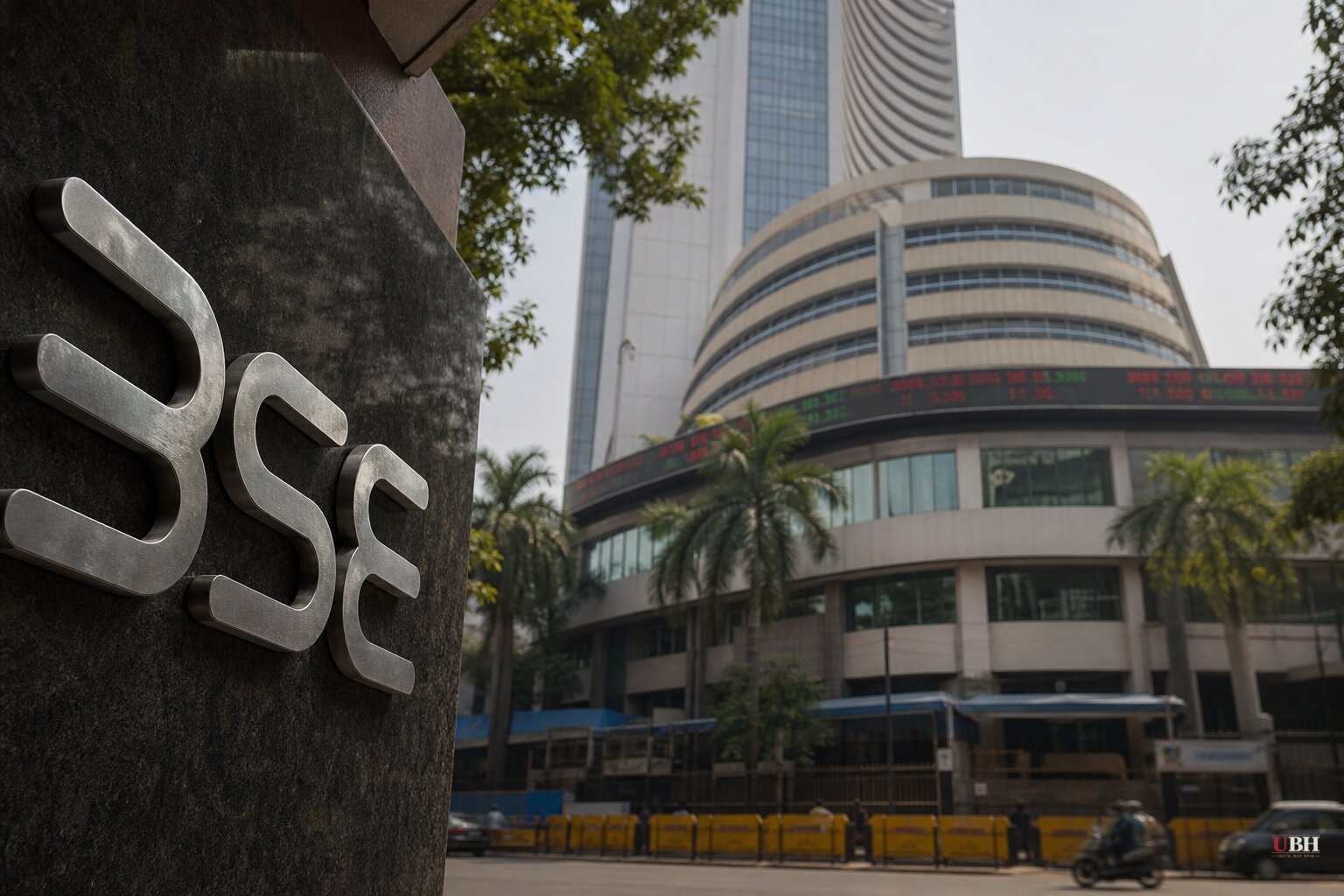
Since India's new Closing Auction Session launched earlier this month and produced a flash crash on the BSE Sensex last Thursday, traders have been asking whether the mechanism can survive real stress. Monday brings that test.
The Securities and Exchange Board of India's most consequential market reform in years is set to face roughly $4 billion in passive-fund trading during Monday's close, driven by MSCI Inc.'s quarterly index rebalancing, according to Bloomberg and The Hindu Business Line. The total turnover tied to the reshuffle is expected to hit about $5 billion.
That is a staggering jump from what the auction window has actually been built to handle. Brian Freitas, founder of Auckland-based Periscope Analytics, told Bloomberg the mechanism has typically been processing about $125 million a day. "It could get pretty messy," Freitas said. "The expected flow is almost 30 times what the CAS window has typically been handling."
What's Changing in the Index
MSCI's latest review adds Lenskart Solutions, Laurus Labs, Adani Energy Solutions and Billionbrains Garage Ventures (Groww's parent) to its standard indexes. Balkrishna Industries, SBI Cards & Payment Services and Astral Ltd are being dropped, according to The Hindu Business Line.
A reduction in Reliance Industries' index weight alone is expected to trigger about $500 million in outflows, according to Abhilash Pagaria of Nuvama Wealth Management. Passive funds, which are contractually required to track their benchmarks tightly, tend to route these trades through the closing auction specifically to minimize tracking error, concentrating enormous buy and sell pressure into a narrow 20-minute window.
Pratik Oswal, chief of passive business at Motilal Oswal Mutual Fund, told The Hindu Business Line that most funds will still try to execute through the auction because it lets them transact closer to the official closing price. But he acknowledged the scale of Monday's rebalance means "the primary execution risk is liquidity," and some orders may have to be handled differently.
A Regulator Holding Its Ground
The backlash following last Thursday's flash crash has been loud enough that SEBI Chairman Tuhin Kanta Pandey addressed it directly last week, reiterating that the new mechanism stays in place despite growing calls for changes, according to The Hindu Business Line.
That's a defensible position on its face. SEBI designed the auction to reduce tracking error for passive funds and align India's market structure with global norms, and MSCI itself said in an emailed statement that it will monitor the "practical effectiveness" of the system based on feedback from clients and index users. A regulator abandoning a reform after one bad week, before the mechanism has faced a real stress test, would be its own kind of overreaction.
But the concern from traders isn't manufactured either. A mechanism that has handled $125 million a day getting asked to absorb 30 times that volume, right after a flash crash exposed thin liquidity and raised manipulation concerns, is a legitimate stress test with real downside if it fails. Critics aren't objecting to reform in the abstract. They're objecting to rolling it out and then holding firm on it while evidence of strain piles up. SEBI has not announced any changes to the auction's structure, and no timeline for a review has been made public.
The Wider Backdrop
Monday's test lands amid a rough stretch for Indian markets generally. The NSE Nifty 50 capped its third straight weekly loss on Friday, the longest losing streak since April, according to Bloomberg. Asian markets were broadly lower in early Monday trading after Federal Reserve Chair Kevin Warsh made hawkish comments that strengthened bets on a US interest-rate hike next month, adding external pressure to an already jittery domestic market.
Corporate governance turmoil is compounding the mood. HDFC Bank's Sashidhar Jagdishan became the latest high-profile CEO to resign from a major Indian business group, following recent departures at Tata and Godrej, according to Bloomberg. India's largest private-sector lender now has to find a successor at the same moment its market is absorbing the biggest liquidity test its new trading infrastructure has ever faced.
Whether Monday's closing auction gets through the MSCI rebalance without another flash crash, and whether SEBI revisits the mechanism's design if it doesn't, remains to be seen once the session closes.
Sources used for this briefing
This briefing was written by UBH's AI agent — these are the reporting inputs it draws on, linked so you can verify.


