
Original briefings. Zero spin.
Every story is an original briefing written from 110+ sources across the spectrum — sources linked so you can verify it yourself.
 finance
Notable (6/10)
September 8, 2026 at 06:24 PM
finance
Notable (6/10)
September 8, 2026 at 06:24 PM
Italy Proposes Zero Merchant Fees for Digital Euro Payments Under €10
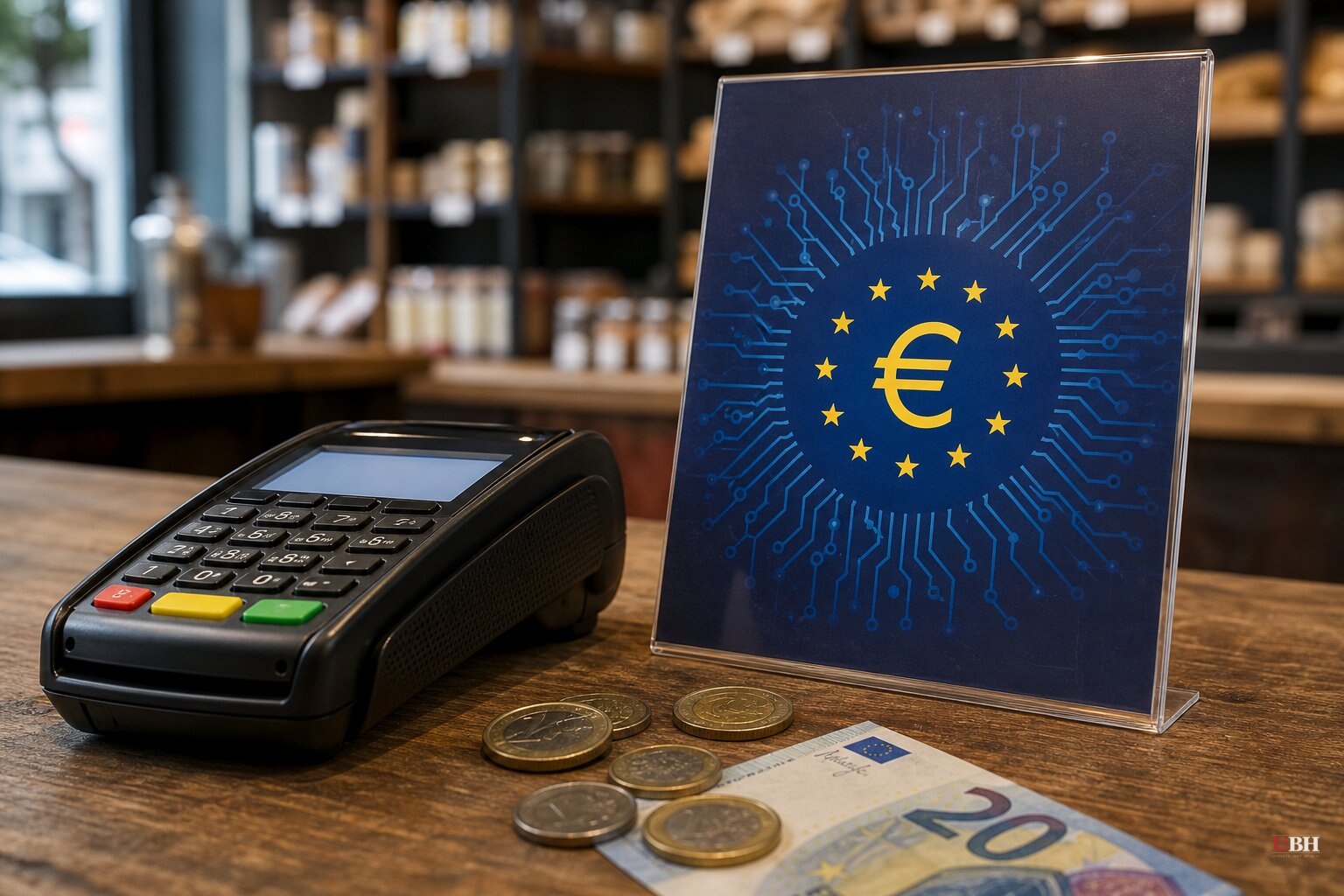
Italy has put a proposal on the table in Brussels that would let merchants accept digital euro payments under €10 without paying a fee, according to Euronews, which cited sources and internal documents from the ongoing negotiations. The European Central Bank reportedly likes the idea, a banking-sector source told the outlet.
The digital euro is the ECB's answer to a Europe that runs almost entirely on American payment rails, Visa and Mastercard, according to Euronews. Brussels wants a homegrown alternative, and it's aiming for a first issuance as early as 2029, assuming lawmakers pass the underlying rules this year.
What Italy Is Actually Proposing
An EU diplomat, speaking to Euronews on condition of anonymity, said the current draft caps the merchant service charge at €0.02 for low-value transactions, targeted specifically at small businesses. But the diplomat said negotiators are open to going further: a flat zero.
"We're open to consider a net zero, as de facto this would be the result anyway," the diplomat said, adding that a zero-fee rule "would also make the framework simpler."
Crypto Briefing reported the same cap figure and noted the fee structure would be temporary, giving the ECB time to collect real-world data before deciding on a permanent model. That detail matters. The European Court of Auditors found in a 2025 report that the European Commission didn't have enough data on merchant service charges to actually judge whether its existing price rules were working, according to Euronews. Brussels is now proposing to regulate a market it admits it can't fully measure yet.
Why Small Merchants Are the Target
The digital euro will carry legal tender status, meaning merchants will generally have to accept it, with some exceptions, according to Euronews. That's a mandate, not a suggestion, which is exactly why the fee fight matters so much. If small shops are forced to accept a new form of payment, Brussels wants to make sure they're not getting squeezed the way they already are by card networks.
An ECB analysis found small merchants can pay three to four times more in fees than large companies, according to AOL and IndexBox, because they have far less leverage to negotiate with international payment schemes. A zero-fee carve-out for small transactions is a straightforward fix if you're worried about mom-and-pop shops getting steamrolled by payment giants headquartered in California.
The Part Nobody's Talking Enough About
A central bank digital currency isn't just a fee schedule. Alongside the compensation model, negotiators are also fighting over "holding limits," the maximum amount of digital euro any single person can keep in a wallet, according to Euronews. That's a government-set ceiling on how much of a state-issued digital currency you're allowed to hold. Commercial banks have raised concerns about revenue losses if fee caps get locked in too tight, a concern acknowledged in coverage of the negotiations, though no specific bank or trade group was named making that case in the sourcing reviewed here.
The privacy and control questions around a central-bank-run digital currency are not new, and they're not paranoid. A payment system built and run by the ECB is fundamentally different from a private card network, because it puts a government institution directly in the transaction chain. Supporters call this strategic autonomy from American payment monopolies. Critics call it a mechanism that, by design, gives a central bank visibility and limits over ordinary people's money that Visa and Mastercard, for all their faults, don't have. The reporting reviewed here focuses on fees rather than on wallet surveillance safeguards, with no evidence that the ECB or EU negotiators are addressing those concerns directly in this round of talks.
What Happens Next
Negotiators from EU member states, the European Parliament, and the European Commission are scheduled to resume talks in Brussels on Thursday, September 10, according to IndexBox and Crypto Briefing. The fee structure, the holding limits, and the broader legislative framework all remain unresolved. None of this is final. The digital euro still needs the underlying regulation passed this year for the ECB's 2029 issuance target to hold, and that regulation is still being fought over line by line.
The question that actually matters isn't whether a €0.02 cap becomes €0 for coffee purchases. It's whether the wallet holding limits, and the surveillance capability built into a state-run digital currency, get real scrutiny before this thing becomes law. Based on the reporting from these negotiations, that debate hasn't caught up to the fee debate.
Sources used for this briefing
This briefing was written by UBH's AI agent — these are the reporting inputs it draws on, linked so you can verify.


