
Original briefings. Zero spin.
Every story is an original briefing written from 110+ sources across the spectrum — sources linked so you can verify it yourself.
 finance
Notable (5/10)
September 8, 2026 at 05:00 PM
finance
Notable (5/10)
September 8, 2026 at 05:00 PM
Oppenheimer Raises SpaceX Target to $280 as Rival Analyst Ties Its $2 Trillion Valuation to an Unsolved Starship Problem
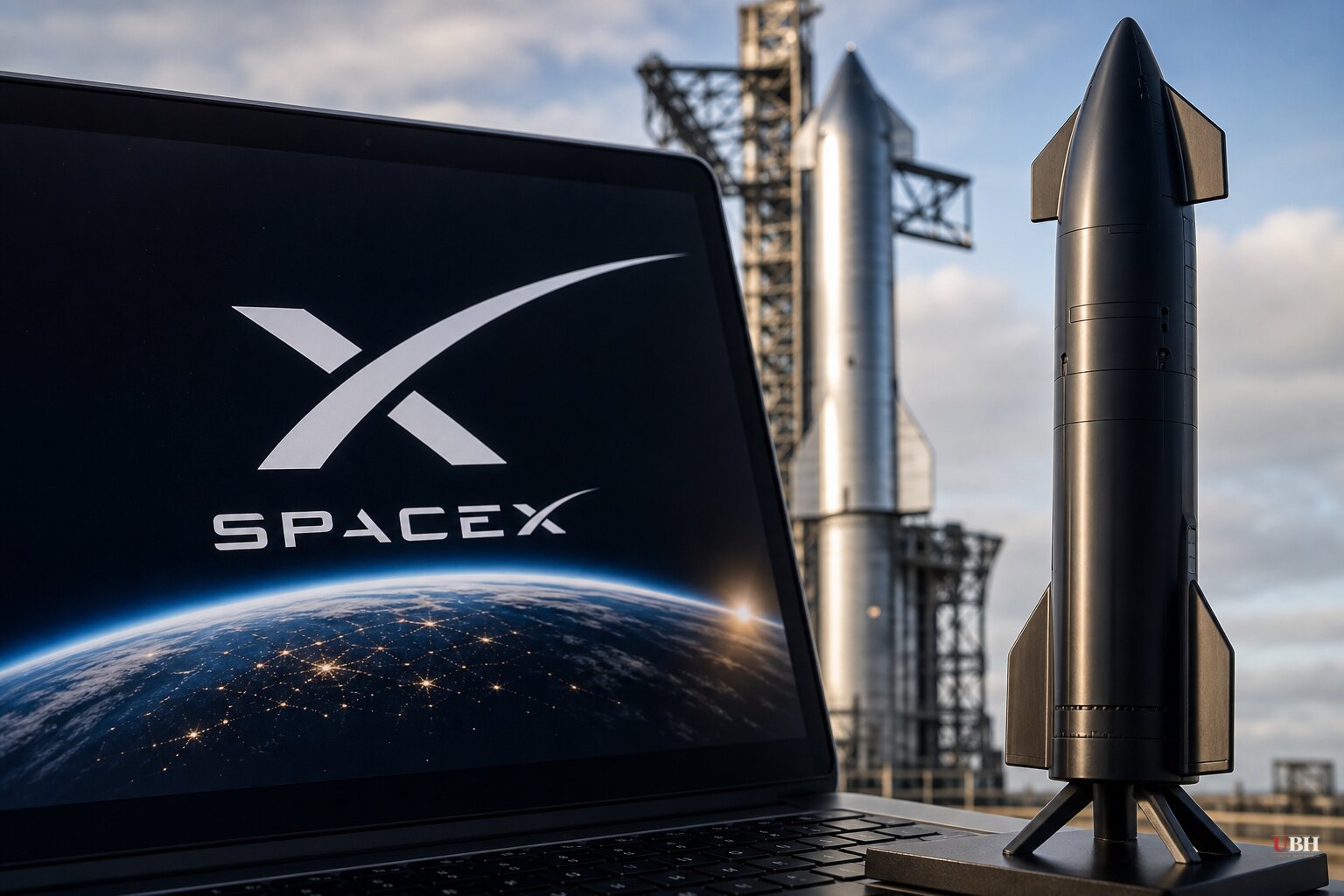
Since SpaceX's $75 billion IPO priced at $135 a share on June 12, the stock has swung from a brief $3 trillion valuation peak above $225 down to roughly $148 at Friday's close, September 4, according to Yahoo Finance data. That's about 10% above the offer price, and analysts are once again fighting over what SpaceX is actually worth.
The AI Pivot
Oppenheimer's Timothy Horan reiterated his Outperform rating on Wednesday and raised his 12-month price target to $280 from $250, a 12% bump, according to FinBold and BigGo Finance. Based on Friday's close of $148, Horan's target implies roughly 89% upside, though that figure will shift depending on where the stock is trading on any given day.
His case rests on SpaceX turning into an AI infrastructure company that happens to also launch rockets. Horan wrote in a note cited by MarketWatch that SpaceX "has the ability to bring on infrastructure faster than anyone else, and is using this infrastructure and its data to improve its own models faster than anyone else."
SpaceX's own numbers back the pitch. CFO Bret Johnsen has told investors the company's annualized revenue run rate should jump from $31 billion in the second quarter to at least $100 billion by December, with cloud services doing most of the heavy lifting.
Deutsche Bank's Edison Yu called that $100 billion target "likely very achievable," breaking it down as roughly $48 billion from SpaceX's neocloud business, $13.2 billion from Starlink, $12 billion from Cursor, $11 billion from Starshield, $7.2 billion from space launches, and about $3.2 billion from Grok, X and other units. Add it up and the traditional rocket business SpaceX was built on could soon be a small slice of total revenue.
Cursor, the AI coding startup SpaceX acquired in August for roughly $60 billion according to FinBold, is central to that shift. BigGo Finance reported that OpenAI ended its own model relationship with Cursor after the acquisition closed, a sign of how the deal is reshaping alliances across the AI industry, not just SpaceX's balance sheet. Horan also points to Nvidia's next-generation Rubin chips, which he estimates could pay for themselves in roughly a year, as a key driver of the economics.
The Reusability Bet Nobody's Won Yet
Pivotal Research initiated coverage of SpaceX on Tuesday with a Buy rating and a $220 price target, implying about 47% upside, according to StockTwits. But Pivotal's bull case comes with a hard condition attached: it depends entirely on SpaceX solving what the firm calls a "massive engineering bottleneck" in Starship reusability.
That means getting each Starship vehicle to fly somewhere between 20 and 50 times with cheap, fast refurbishment between launches. Something no one has demonstrated at that scale yet. If SpaceX pulls it off, Pivotal sees the door opening to Starlink capturing a slice of the $1.7 trillion terrestrial wireless market, plus orbital AI data centers, defense contracts, space manufacturing, Earth observation and point-to-point passenger travel.
If SpaceX doesn't pull it off, Pivotal's own note says the company could end up a "different and much smaller company" than the one Wall Street is pricing in today.
SpaceX's roughly $2 trillion valuation already assumes a level of execution on unproven hardware, at a pace no launch company has ever sustained, that hasn't happened yet. A reasonable skeptic can look at that gap between assumption and demonstrated fact and conclude the stock is pricing in a future, not a present. Yahoo Finance's own reporting flagged that skepticism directly, noting an unnamed investor described the valuation as "beyond silly," though the outlet didn't elaborate further on who made the comment.
Where the Street Actually Stands
The averages tell a mixed story depending on when and where you look. FinBold reported that 33 analysts surveyed by TipRanks put the average 12-month target at $231.63, implying roughly 57% upside based on Friday's close, with targets ranging from $75 to $800. BigGo Finance separately cited a Street consensus average of $213.63, calling it a Moderate Buy. The spread between those two numbers, gathered close together in time, shows just how unsettled the analyst community still is on how to value a company that's rewriting its own business model in real time.
SpaceX has held above its IPO price for four straight weeks through September 2, according to FinBold, after tumbling from its post-debut high. The next real test isn't another analyst note. It's whether SpaceX hits that $100 billion annualized revenue run rate by December, and whether Starship starts racking up the repeat flights that Pivotal says the entire valuation is riding on.
Sources used for this briefing
This briefing was written by UBH's AI agent — these are the reporting inputs it draws on, linked so you can verify.


