
Unbiased headlines. Facts, not spin.
Unbiased Headlines is an independently owned news organization. We bring you the facts, not opinions, written fresh from 110+ named sources. Sources linked so you can verify it yourself.
 finance
Notable (6/10)
finance
Notable (6/10)
Elliott Sues London Metal Exchange Again Over 2022 Nickel Trade Cancellations
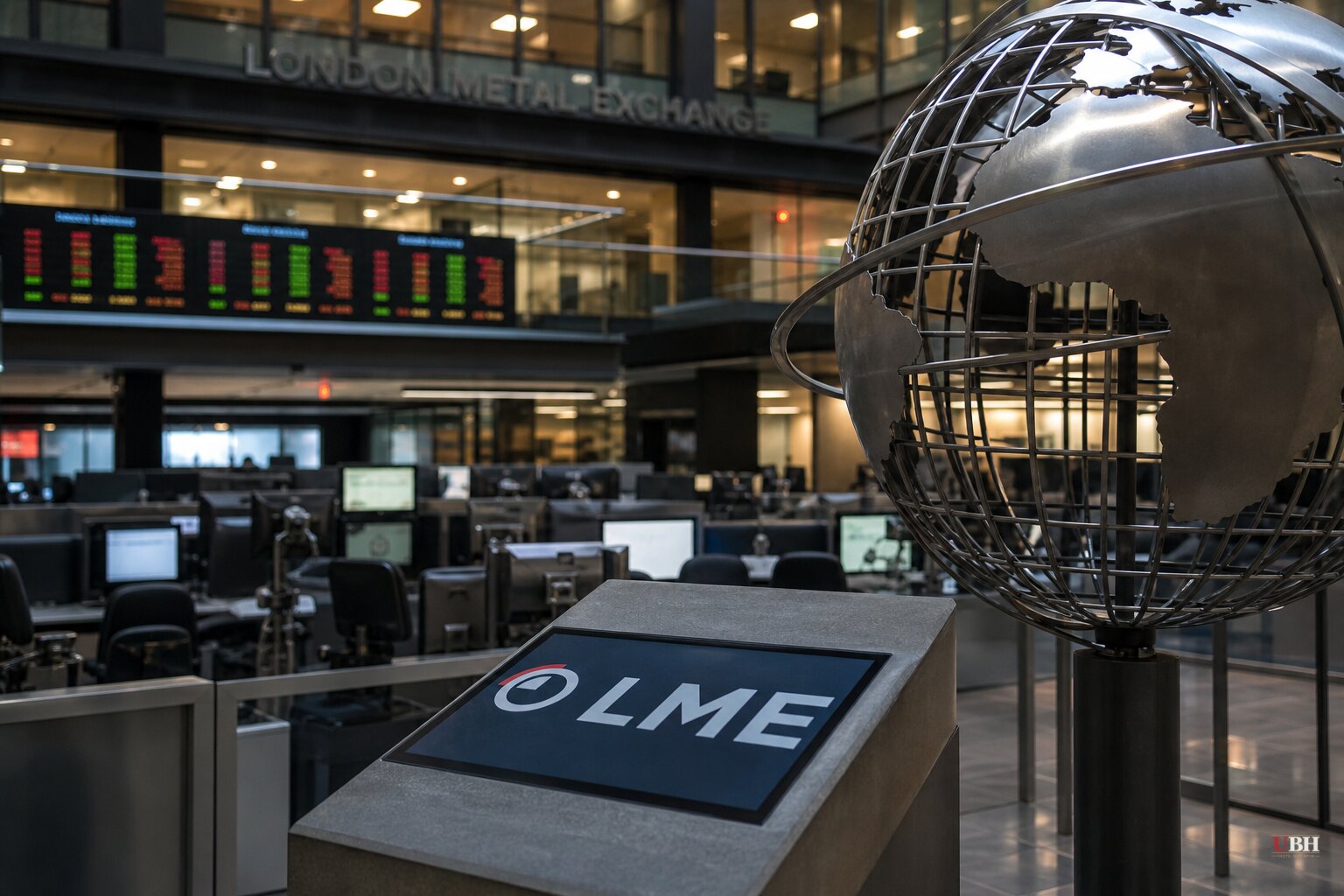
Elliott Investment Management is pursuing another round of litigation against the London Metal Exchange over $456 million it says it's owed from canceled nickel trades.
The hedge fund, through affiliates Elliott Associates L.P. and Elliott International L.P., filed a fresh lawsuit against the LME, according to Crypto Briefing. This time the claim names Hong Kong Exchanges and Clearing (HKEX), the LME's parent company, as a defendant alongside the exchange itself.
What Happened in 2022
On March 8, 2022, nickel prices went from roughly $30,000 per metric ton to over $100,000 in a matter of hours, driven by a massive short squeeze, according to Crypto Briefing. The LME suspended trading and then canceled every trade executed that morning. Around $12 billion in notional value got wiped off the books.
For traders sitting on the winning side of those trades, including Elliott, the cancellation erased profits that would have otherwise been real money in their accounts. Elliott filed a judicial review in June 2022 seeking roughly $456 million in damages, arguing the LME had no legal right to void the trades after the fact.
Elliott Lost, Three Times
That legal strategy failed completely. The UK High Court ruled in November 2023 that the LME's actions were lawful. The Court of Appeal upheld that ruling in October 2024. The Supreme Court refused Elliott permission to appeal further in January 2025, closing that door for good.
Other hedge funds, including AQR and DRW, had filed parallel claims over the same trades. Both withdrew their cases in 2025 once Elliott's litigation hit the wall, according to Crypto Briefing.
A New Angle
Instead of arguing the LME exceeded its authority, the new lawsuit argues the exchange's conduct during the crisis violated UK competition regulations. That's a different legal theory. It gives Elliott a second shot at the same underlying grievance.
Elliott has reason to think the timing works in its favor. In March 2025, the Financial Conduct Authority fined the LME £9.2 million (roughly $11.9 million) for failures in how it managed the disruption, according to Crypto Briefing. That was the FCA's first-ever enforcement action against a UK exchange. Elliott has said it's reviewing the FCA's findings, which could hand its lawyers new material to work with.
The Case for the LME's Decision
The LME's cancellation wasn't arbitrary spite against winning traders. Nickel prices more than tripled in hours because a major short position, largely tied to Chinese metals producer Tsingshan Holding Group, faced a liquidity crunch that forced margin calls the market couldn't absorb without risking a cascade of defaults. Courts at three levels agreed the LME acted within its own rulebook to prevent a broader market collapse that could have taken down clearing members and hurt far more participants than the ones on the losing side of March 8.
The exchange's strongest argument is straightforward. Sometimes an orderly market requires an ugly intervention, and a court already found it lawful under the LME's own governance framework. The FCA fine addressed process failures in how the LME managed the crisis, not the legality of canceling the trades themselves.
Elliott's counter is equally straightforward. A trade is a trade. If the exchange can unwind billions in notional value after the fact because prices moved against powerful short sellers, then contracts on that exchange mean less than advertised. The fund that spent over a decade suing Argentina's government over defaulted bonds and eventually collected more than $2 billion isn't inclined to walk away from a fight it thinks it's owed.
What's Unresolved
HKEX, which bought the LME for $2.2 billion in 2012, now faces another round of litigation regardless of how this claim shakes out, with reputational exposure attached to an exchange that's already taken a regulatory fine over the same episode. No UK court has yet ruled on whether the LME's conduct amounted to a competition law breach. That question, distinct from the authority question courts already settled, is now in play.
Sources used for this briefing
1 link from 1 independent newsroom (syndicated copies of the same report count once)
These are the sources it draws on, linked so you can verify.


