
Original briefings. Zero spin.
Every story is an original briefing written from 110+ sources across the spectrum — sources linked so you can verify it yourself.
 finance
Major Story (7/10)
September 8, 2026 at 07:00 PM
finance
Major Story (7/10)
September 8, 2026 at 07:00 PM
Fed's Rate Call Could Hinge on Hundredths of a Point as Kevin Warsh Faces First Real Test
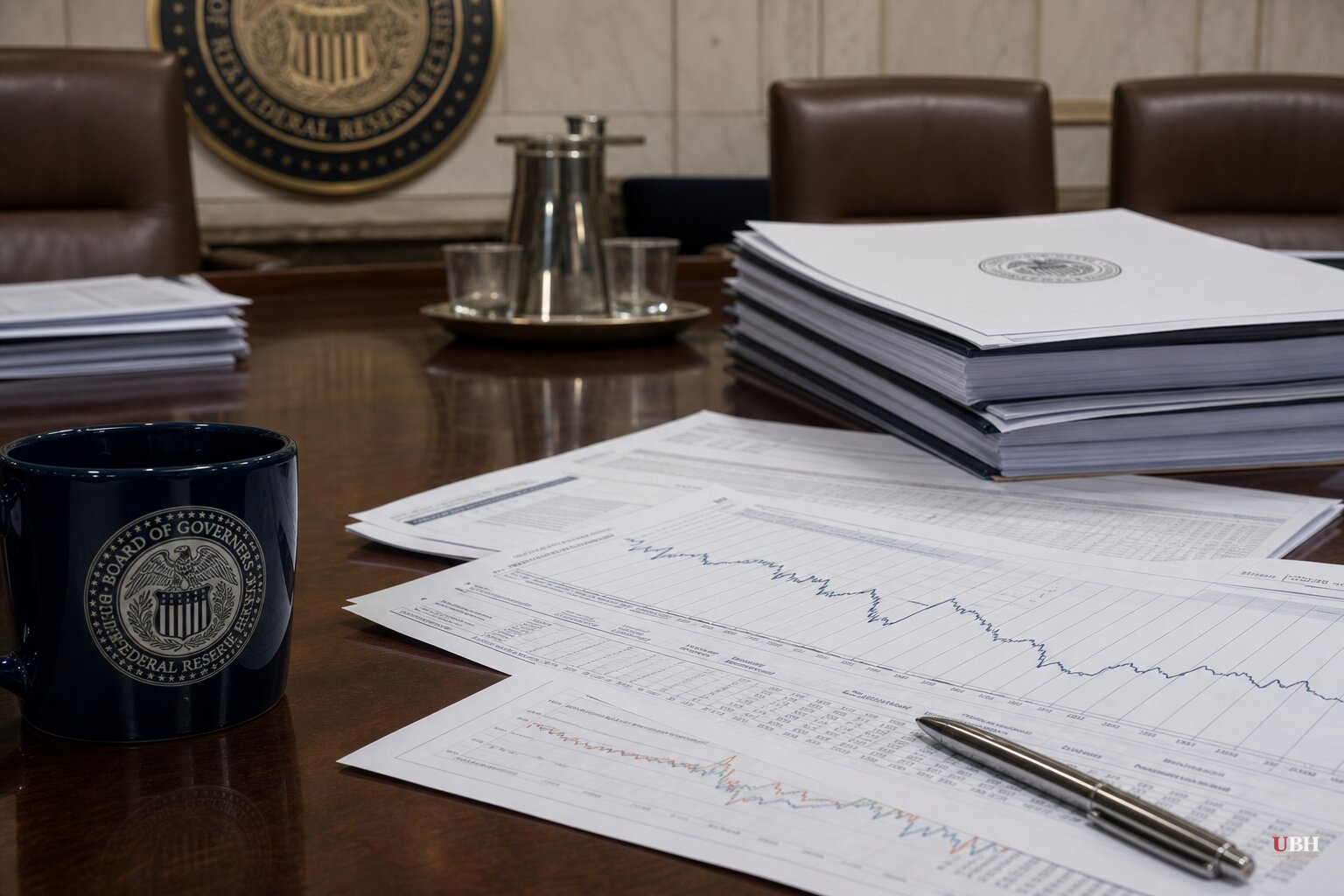
Wall Street will spend Thursday and Friday of this week staring at inflation reports that, technically, aren't even the numbers the Federal Reserve officially uses to set policy. That's how tight this call has gotten.
The Fed's rate-setting committee meets next week, and according to CNBC, the outcome is genuinely uncertain. Markets are leaning toward a possible hike, not the rate cut so many people assumed was coming this year.
A Decision Measured in Hundredths
Krishna Guha, head of economics and central bank policy at Evercore ISI, told CNBC the calculus is absurdly precise. If core PCE, the Fed's preferred inflation gauge, lands around 0.21% or 0.22% for the month, Guha expects the committee to hold rates steady. If it comes in at 0.23% or 0.24%, he says that "could well go to a hike."
Guha called the precision "ludicrous," and he's not wrong. A monetary policy decision affecting mortgages, credit cards, and business loans for 340 million Americans may swing on a rounding error.
The irony is that the Fed won't even have the actual PCE number when it votes. That report comes out at the end of the month, after the meeting. Instead, officials will estimate it using this week's Consumer Price Index and Producer Price Index releases, due Friday and Thursday respectively.
Economists surveyed by Dow Jones expect Thursday's PPI report to show a 0.4% monthly increase, putting the annual producer inflation rate at 5.3%, according to CNBC. A 5.3% annual pace at the producer level is well above the Fed's 2% target.
Warsh's First Big Test
Chairman Kevin Warsh is the one who has to referee this. CNBC reports Guha believes Warsh's credibility is "under pressure," and that it will be tough for the Fed to hold rates steady if markets have already priced a hike as the clear favorite going into the meeting. In Guha's words, "in the grey zone reflexivity and the market response could tip the decision."
If traders convince themselves a hike is coming, that expectation itself could force the Fed's hand, regardless of what the data actually says. It's a committee reacting to what markets think it will do.
There's a fair case to be made here for the Fed's defenders. Central banking has always involved judgment calls at the margins, and no chairman can perfectly forecast a single month's inflation print before it happens. Waiting for cleaner data before committing to a hike or a hold isn't necessarily indecision, it's caution after a stretch of volatile readings.
Still, a Fed that can't tell in advance whether it's hiking or holding one week out, based on data it won't even officially use, is not a picture of confident, rules-based policy. It's improvisation dressed up in a suit.
What Happens Next
The PPI report lands Thursday, the CPI report Friday. Both will be parsed line by line for any sign of whether monthly core inflation is trending toward Guha's 0.21% floor or his 0.24% ceiling.
The FOMC meets next week, with Warsh casting what may be the deciding vote in a room that, by Guha's own account, doesn't have a clear majority either way. Whatever the committee decides, the actual PCE number, the one the Fed says it actually relies on, won't be public until after the vote is already cast.
Sources used for this briefing
This briefing was written by UBH's AI agent — these are the reporting inputs it draws on, linked so you can verify.


