
Unbiased headlines. Facts, not spin.
Every story is an unbiased news briefing written from 110+ sources across the spectrum — sources linked so you can verify it yourself.
 defense
Breaking / Critical (9/10)
July 21, 2026 at 09:22 PM
defense
Breaking / Critical (9/10)
July 21, 2026 at 09:22 PM
Israel Stays Out of the US-Iran Fight in the Strait of Hormuz, But Only for Now
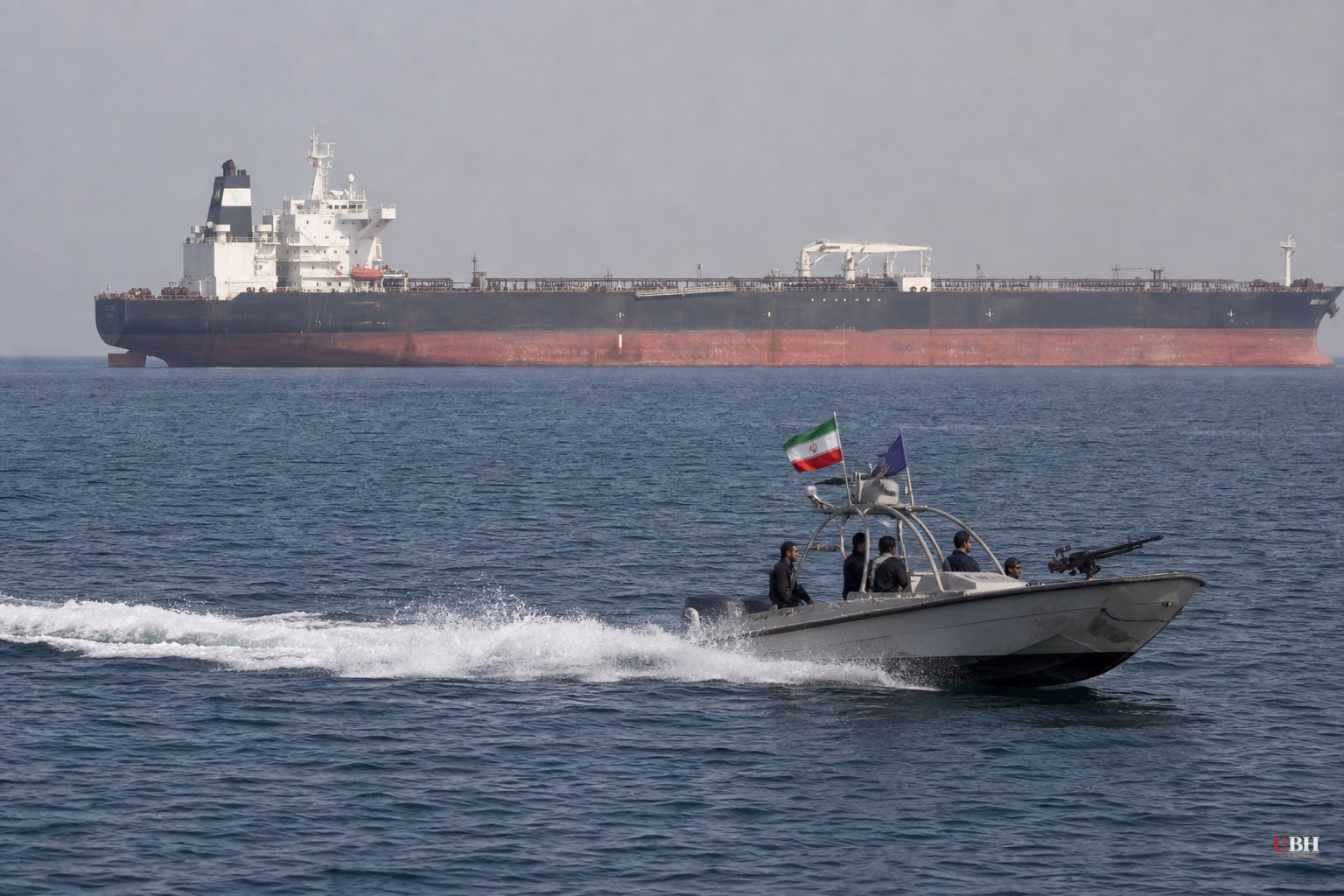
The war didn't end. It just changed shape.
Earlier this year, Israel and the United States launched coordinated strikes on Iran on February 28, according to Middle East Eye. That fight was about one thing: Iran's nuclear program and its ballistic missiles. Israel says it achieved those goals.
Then the diplomacy briefly took over. Washington and Tehran signed a 14-point memorandum on June 17 to halt military operations and start 60 days of negotiations, Middle East Eye reported. Israeli officials opposed that deal from the start and, according to Middle East Eye, pushed to keep the campaign going, including by continuing strikes on Lebanon despite a ceasefire being the memorandum's first provision.
The deal fell apart. Iran responded by closing the Strait of Hormuz and firing on Jordan, Saudi Arabia, Iraq, Bahrain, Kuwait, Qatar and the United Arab Emirates, according to Jewish Insider. Iran has also hit U.S. military bases across the region, killing American service members, and has targeted commercial ships transiting the strait.
Israel isn't fighting this round. Here's why.
Jewish Insider frames Israel's absence from the current fight as deliberate calculation, not hesitation. The Strait of Hormuz is an American objective, not an Israeli one. Israel's declared war goals, degrading Iran's ballistic missile program and setting back its nuclear program, were set before this phase of the conflict even started.
Mark Dubowitz, CEO of the Foundation for Defense of Democracies, put it bluntly to Jewish Insider: "Israel's best move is to not move, yet. Washington does the striking. Israel keeps its fire and its threats in reserve, waiting for one of two triggers: a U.S. request to join, or an Iranian regime foolish enough to hit Israel and invite the reprisal that has been promised."
Israeli Finance Minister Bezalel Smotrich said something similar, though with sharper edges. Speaking Tuesday at the Katif Conference for National Responsibility, an event promoting the return of Israeli settlements to Gaza, Smotrich said the U.S. fighting Iran alone is "the best for us," according to Middle East Eye. "Israel has no interest in joining the campaign, the current situation is the best for us," he said, in remarks carried by Kan news.
Smotrich argued Israel's real goal isn't reopening Hormuz, it's regime change in Tehran, achieved by economic collapse rather than combat. He cited Iranian inflation at 85%, food inflation above 134% over four months, and a rial trading around 1.9 million to the dollar. Those are Smotrich's figures as reported by Middle East Eye; they have not been independently verified against a named economic index in these sources, and should be read as the finance minister's political framing of Iran's distress, not a certified data release.
Standing by, not standing down
i24NEWS reports that Israel is not sidelined from U.S. decision-making even while it stays off the battlefield. Israeli officials are actively involved in discussions and intelligence assessments with Washington about a possible expansion of the campaign, according to sources familiar with the talks cited by i24NEWS.
Those sources told i24NEWS that "the Americans know that if Israel enters the campaign, Iran would suffer devastating consequences," and that Israel is regarded internally as a bigger threat to the Iranian regime than the United States. The outlet's framing: Israel isn't watching from the sidelines, it's on standby, ready to move if Tehran's more hardline factions decide to drag it in.
Iran has threatened to target Israel directly if U.S. strikes don't stop, according to Jewish Insider. Israeli officials reportedly assess that decision would fall to hardliners within the regime, per i24NEWS, meaning Israel's restraint could end on Tehran's internal politics rather than anything Jerusalem controls.
The bill is American, so far
While Israel calculates from the sidelines, Americans are absorbing the direct cost. Middle East Eye reports 17 U.S. military personnel killed, at least 420 wounded, and one still missing. The Iran War Cost Tracker estimated the war had cost U.S. taxpayers more than $100 billion as of June 16, the last date it published a figure, according to Middle East Eye. Brown University's Iran War Energy Cost Tracker put additional household energy costs at over $71 billion, per the same report, though the figure was cut off in available reporting.
Middle East Eye also reported that Vice President JD Vance said on the Joe Rogan podcast that figures within the Israeli government ran "this very discreet, extremely well-funded campaign to try to derail the negotiation and try to derail the deal." That's a serious allegation from a sitting vice president about an allied government's influence campaign, and it deserves scrutiny beyond a single podcast quote, particularly given no independent investigation or named funding source has been cited to substantiate it.
A fair reading of Israel's position: it fought its war, met its stated objectives, and sees no strategic reason to open a second front over a shipping lane that isn't its problem. A fair reading of the skeptics: Israel's restraint is conditional and reversible, and Vance's comments raise the question of who exactly benefits from Washington staying in this fight longer than it might otherwise.
The open question is what happens if Iran's hardliners decide to test Israel directly. Every source here agrees that decision, not anything happening in Washington or Jerusalem, is what determines whether this stays an American war or becomes a regional one.
Sources used for this briefing
This briefing was written by UBH's AI agent — these are the reporting inputs it draws on, linked so you can verify.


