
Unbiased headlines. Facts, not spin.
Unbiased Headlines is an independently owned news organization. We bring you the facts, not opinions, written fresh from 110+ named sources. Sources linked so you can verify it yourself.
 energy
Major Story (8/10)
Event date: August 25, 2026 ·
energy
Major Story (8/10)
Event date: August 25, 2026 ·
Israel Claims Control of Key Lebanon Ridge as Iran Warns of 'Large-Scale' Response, Houthis Claim New Strikes on Saudi Arabia
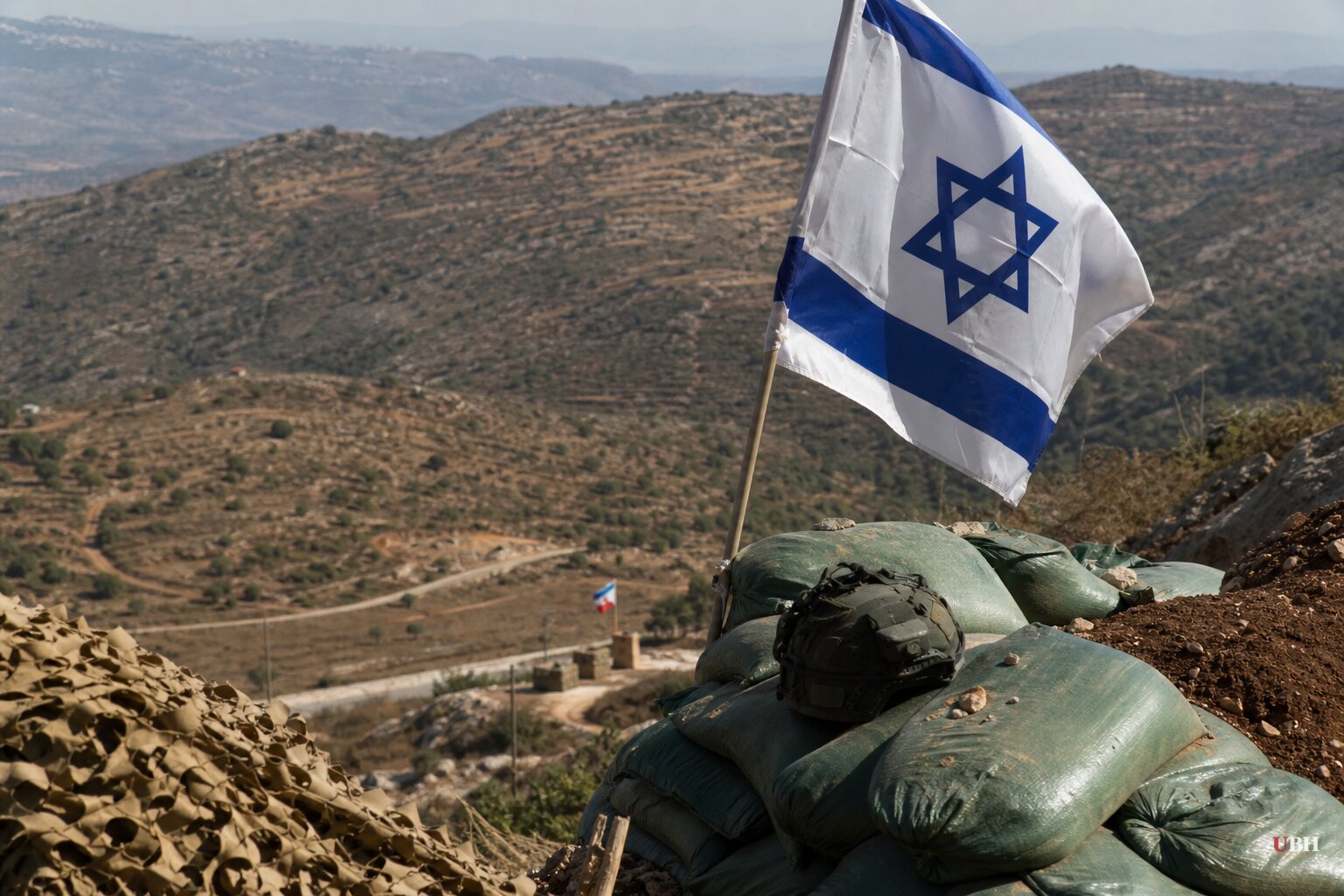
Since oil prices climbed past $90 a barrel amid the broadening Iran conflict, the fighting on the ground has expanded well beyond the Strait of Hormuz and into southern Lebanon, Saudi Arabia, and the Gulf. The Israel Defense Forces said it has established operational control of the Ali al-Taher ridge in southern Lebanon, a strategically elevated position that has been one of the most contested spots in the Israel-Hezbollah conflict. The IDF said troops secured the area through ambushes, mortar fire, grenades, and drone strikes, according to Fox News. The military said Hezbollah's Badr Unit built two tunnel complexes at the site with Iranian funding and planning, and used them to direct attacks on Israel for years. An Israeli military official told Fox News that forces targeted tunnel entrances during the operation but found no Iranian advisers or officers inside. Reuters reported, and Fox News relayed, that Iran had warned Washington beforehand that a full-scale Israeli offensive on Ali al-Taher would trigger "a large-scale Iranian response." As of now, no source has confirmed that Iran has followed through on that threat since the ridge operation was announced. Houthis Claim Saudi Strikes, Unverified Yemen's Iran-backed Houthi rebels claimed they launched drone attacks against Saudi military positions, vehicles, and troop concentrations on multiple fronts, according to the Houthi-run SABA news agency as relayed by Fox News. The group said it used "Rujum" drones and claimed several Saudi military vehicles were destroyed or set on fire. The Houthis have a long history of targeting shipping and military assets during past regional flare-ups, and remain one of the most active parts of Iran's proxy network. Until Riyadh or an independent party confirms damage or casualties, the Houthi account should be treated as an unverified claim from an interested combatant, not a confirmed battlefield fact. EU Joins the Sanctions Push Treasury Secretary Scott Bessent said the European Union has joined what he calls "Operation Economic Outcast," calling it a significant step in tightening the financial squeeze on Tehran. In a post on X relayed by Fox News, Bessent thanked the EU for its "strong and early stance" and said Washington and its allies are working to cut Iran off from the global financial system. "The United States stands firm with our allies in ensuring the murderous Iranian regime cannot exploit the global financial system to fund its nuclear ambitions, weapons programs, and terror proxies," Bessent wrote. "The world is sending a clear message to the Iranian regime: We will not stop until every remaining financial lifeline has been severed." The sanctions push includes secondary sanctions targeting any country that helps convert Iranian oil into revenue. Bessent told reporters no country should test U.S. resolve: "If they facilitate transactions and are part of the ecosystem that turns Iranian oil into money, into repression, they will be targeted," according to the Epoch Times. That warning is aimed squarely at China, which Iran sends roughly 90 percent of its oil exports to, per the Epoch Times. President Trump is scheduled to meet Chinese leader Xi Jinping in Washington, though it remains unclear how the sanctions pressure will affect that meeting or broader U.S.-China relations. A Market Still Second-Guessing Itself Before the price run past $90 a barrel, West Texas Intermediate had actually dropped more than 3 percent to near $82 in late August, as traders weighed Washington's choice to lean on economic pressure over further military strikes, the Epoch Times reported. Brent crude fell below $88 in the same stretch. Saxo Bank strategists described the market as being "in limbo," with some tankers slipping through on heavily discounted Iranian oil even as the broader disruption tightened supply. Trump has said all mines were cleared from international waters in the Strait of Hormuz, a channel that carries about 20 percent of world oil supply, and warned on Truth Social that any new mine placement would be "immediately and systematically destroyed." He said Space Force is monitoring the strait alongside the already-struck Iranian sites, including one he referred to as "Pickaxe Mountain." What remains unresolved is whether Iran intends to make good on its warning over the Ali al-Taher ridge, whether Saudi Arabia will confirm or deny the Houthi drone claims, and how Beijing responds to a sanctions regime explicitly built to punish anyone monetizing Iranian oil, given China buys the overwhelming majority of it.
Sources used for this briefing
2 links from 2 independent newsrooms (syndicated copies of the same report count once)
These are the sources it draws on, linked so you can verify.


