
Unbiased headlines. Facts, not spin.
Unbiased Headlines is an independently owned news organization. We bring you the facts, not opinions, written fresh from 110+ named sources. Sources linked so you can verify it yourself.
 energy
Major Story (8/10)
Iran's Trackable Floating Oil Falls to Zero, and Kpler Projects Seaborne Crude Revenue Could Dry Up by Mid-December
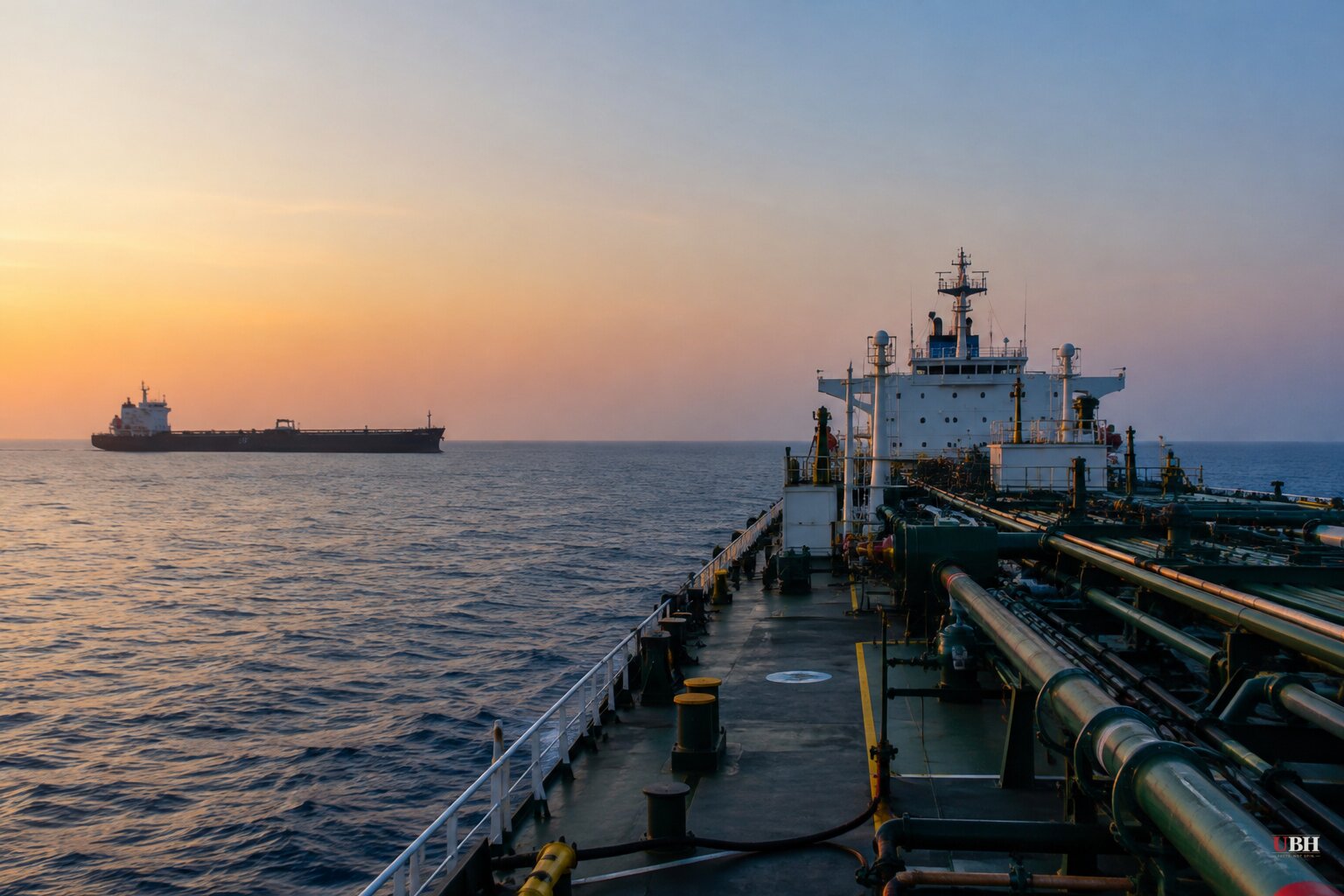
More than 100 days into the U.S. naval blockade, which U.S. Central Command says has kept at least $25 billion in Iranian crude off the market, the stockpile Tehran was living on is gone. Trackable floating oil outside the blockade zone has fallen to zero, according to the energy intelligence firm Kpler. Kpler projects Iran's seaborne crude revenue could dry up by mid-December.
The December date is a payment-timing estimate, not a doomsday date. Buyers of Iranian crude typically settle one to two months after delivery. The money from the last cargoes is still trickling in.
How the oil ran out
Iran held roughly 135 million barrels in floating storage when the war began in February, according to Fox News Digital's account of Kpler data. That offshore cushion kept revenue flowing long after exports stopped at the dock.
Kpler data show Iran loaded no crude onto tankers in September. It was the first month with zero loadings since Kpler began tracking Iranian exports in 2013. The last successful loading was Aug. 25.
Oil outside the blockade zone fell from about 100 million barrels in July to about 10 million barrels more recently, per Kpler. The Wall Street Journal reported Oct. 21 that the floating reserves were depleted by mid-October. Kpler's head of crude oil analysis, Homayoun Falakshahi, told the Journal: "There's no more oil to discharge to China anymore."
Admiral Brad Cooper, the CENTCOM commander, put the blockade's toll at $25 billion in denied exports over 100 days.
What it does to the Iranian economy
Iran can't sell what it keeps pumping. Onshore stockpiles have reached about 70 million barrels, near their pandemic-era peak, according to Matt Smith, Kpler's director of commodity research. Production has been cut roughly in half to about 2 million barrels per day, enough to cover domestic demand.
Iranian government data show the economy shrank at a 10% annual rate between March and June. Annual inflation hit 90% last month and has averaged 73% over the past year. Adnan Mazarei of the Peterson Institute for International Economics says Iranians spend cash immediately on necessities because it loses value if held.
Mazarei also says the government cannot finance itself and prints money. Sanctions have curtailed imports, which he links to factory closures and rising unemployment.
Oil directly accounts for about 30% of the government budget, according to Gregory Brew of Eurasia Group and Miad Maleki of the Foundation for Defense of Democracies. Maleki puts the share of regime revenue from oil and refined products at 50% to 60% once indirect income is counted. Iran began the year planning on exports of 1.7 million barrels per day at about $54 a barrel, Brew said. Actual exports fell short, though higher oil prices let Tehran build some cushion.
Cash for the guns, inflation for everyone else
Brew and Maleki both say the military may be insulated. Tehran can protect security spending, cut civilian programs and let inflation and a weaker rial eat into wages. The Treasury Department said last year that Iran allocated roughly 200,000 barrels per day to its armed forces, with planned allocations topping $10 billion annually. Those allocations and off-budget revenues have helped fund equipment and support for Iran-backed groups.
"The December timeline is more of a cash flow kind of disruption, and not really a collapse state," Maleki told Fox News Digital. "The purchasing power of Iranians incrementally declines."
Brew said that next year's government spending is expected to be "greatly reduced," with a bigger chunk covered by borrowing and deficit spending that will add to inflation.
Leaks, workarounds and pressure on finance
Exports are unlikely to hit absolute zero. Brew and Maleki note that smaller volumes of crude and refined products can still move by rail, truck and across the Caspian Sea.
About $350 million in Iranian cryptocurrency has been frozen, according to Iran International's reporting. Maleki, a former executive at the Treasury's Office of Foreign Assets Control, says crypto is poorly suited to a country's trade. "You can see on the blockchain where it came from and where it went," he said.
He says some imports now arriving were paid for earlier and others are coming overland. The real strain starts when Tehran must finance new purchases and transport without oil income. "I can't give you a number of days or weeks," Maleki said.
The regime is not yielding
The pressure has not produced concessions. CNN's analysis says Iran is refusing to give ground on its nuclear program and that talks on freedom of transit through the Strait of Hormuz have repeatedly stalled. CNN notes that Gulf oil flows through Hormuz have effectively returned to normal, which removes one lever Tehran once held.
That analysis argues the regime may be better positioned than it looks. It cites five decades of operating under sanctions and a crackdown on protests that has quelled public revolt. It also says the high cost of the U.S. operation has made the status quo politically toxic for Washington.
The blockade is working on revenue. Whether revenue pressure translates into Iranian concessions is the open question.
Brew points to March as the larger fiscal test. Iran's new fiscal year starts then, and the government must reconcile spending plans with sharply lower seaborne oil income.
Sources used for this briefing
7 links from 6 independent newsrooms (syndicated copies of the same report count once)
These are the sources it draws on, linked so you can verify.


