
Unbiased headlines. Facts, not spin.
Unbiased Headlines is an independently owned news organization. We bring you the facts, not opinions, written fresh from 110+ named sources. Sources linked so you can verify it yourself.
 economy
Notable (6/10)
ISM Manufacturing Index Rises to 55.5 in October, 10th Straight Month of Expansion
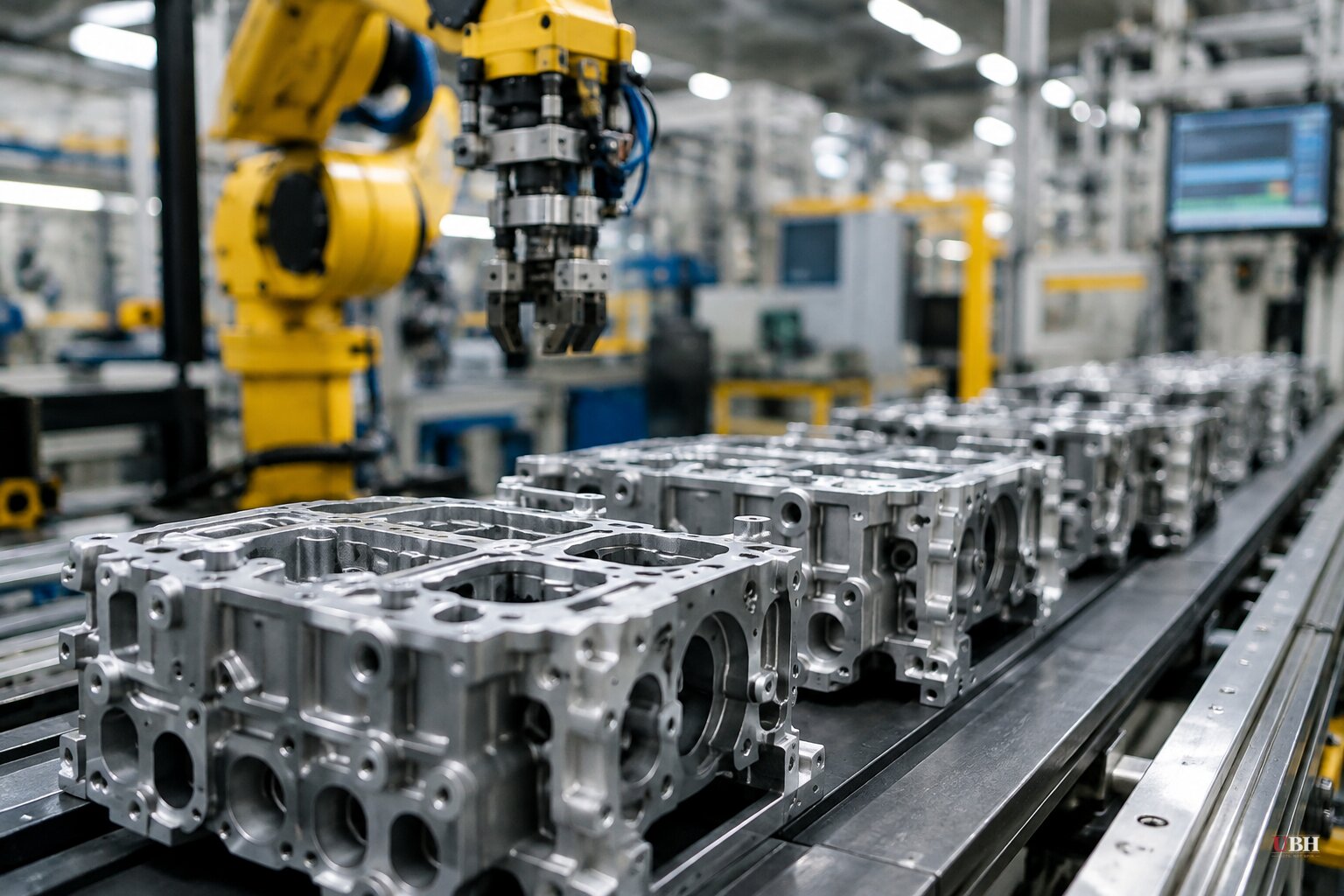
U.S. factory activity grew for the 10th straight month in October, and it grew faster than Wall Street expected.
The Institute for Supply Management's Manufacturing PMI hit 55.5, up from 54.5 in September, the group said Monday, Nov. 2. Analysts polled by The Wall Street Journal had forecast 54.5. A reading above 50 signals expansion.
ISM also said the broader U.S. economy has now expanded for 24 consecutive months.
Production leads
Production was the standout. The Production Index rose 2.3 points to 59.0, its highest reading since November 2021.
The New Orders Index edged up to 55.5 from 55.3. It has stayed in expansion for 10 months, following four straight months of contraction before that run began.
The Inventories Index returned to expansion at 51.4. The Customers' Inventories Index sat at 41.6, in "too low" territory. ISM says a low reading there is generally good for future production, since customers will need to restock.
Four of the five headline components improved. Employment was the exception: its index slipped 0.3 points to 52.4, still in expansion.
Five of the six largest manufacturing industries grew in October. They include machinery, computer and electronic products, transportation equipment, chemicals, and food, beverage and tobacco products.
AI spending and defense orders
Spending on artificial intelligence infrastructure is an increasingly important source of demand for makers of computers, electrical equipment and machinery. One machinery manufacturer told ISM that "explosive growth" in orders from semiconductor and defense customers had stretched lead times and pushed prices to levels reminiscent of the COVID-19 era.
Oxford Economics associate economist Sara Godfrey said the data show momentum. "There appears to be plenty of momentum behind the upswing, with the production, new orders and inventories subcomponents posting solid gains," she said.
The backdrop is solid. The Commerce Department said last week that third-quarter GDP grew at a 3.4% annualized rate, up from 2.2% in the second quarter.
Prices still high
The ISM Prices Index registered 75.2, down from 77.9 in September but deep in expansion territory. Higher prices were reported by 53.1% of respondents, down from 58.6% in September, ISM chair Susan Spence said.
So costs are still rising for most of the factories surveyed, just less broadly than a month ago. Godfrey said slowing supplier deliveries and higher oil prices will keep input costs under pressure in the near term.
Not everyone is upbeat
The survey was not uniformly bullish. A transportation equipment manufacturer told ISM that its customers, and its customers' customers, remain cautious about large purchases. The company said the usual fourth-quarter order bump, when buyers spend out annual budgets, had not shown up as expected.
Another transportation equipment maker described trucking as sending "mixed signals," with freight demand that "appeared softer."
Godfrey also tempered her read. "We expect that higher interest rates and rising energy costs will dampen, but not completely stamp out, this recovery," she said.
Other gauges run hotter
S&P Global's separate flash PMI for October, released earlier, painted an even stronger picture. Its manufacturing PMI was 56.0, a 53-month high, and its composite index was 57.6, down from 58.4 in September.
S&P Global chief business economist Chris Williamson said the data are consistent with fourth-quarter GDP growth of about 5% annualized. He put third-quarter growth at roughly 4%, above the 3.4% Commerce reported.
S&P's survey also showed factory hiring at its fastest pace since March 2012. ISM's employment index moved the other way, easing slightly. The two surveys use different samples and methods, and they do not agree on hiring.
What comes next
Rates are a live question. The Fed's Logan has called for at least two more quarter-point rate hikes, according to an Oct. 30 headline. If the central bank moves, it would add to the interest-rate pressure Oxford Economics flagged.
The November ISM report will show whether production and new orders can keep climbing while input prices stay elevated and rate expectations rise.
Sources used for this briefing
6 links from 6 independent newsrooms (syndicated copies of the same report count once)
These are the sources it draws on, linked so you can verify.


