
Unbiased headlines. Facts, not spin.
Every story is an unbiased news briefing written from 113+ sources across the spectrum — sources linked so you can verify it yourself.
 finance
Notable (6/10)
Event date: September 27, 2026
finance
Notable (6/10)
Event date: September 27, 2026
IRS Warns It May Retroactively Kill the Tax Shelter AQR Made Famous
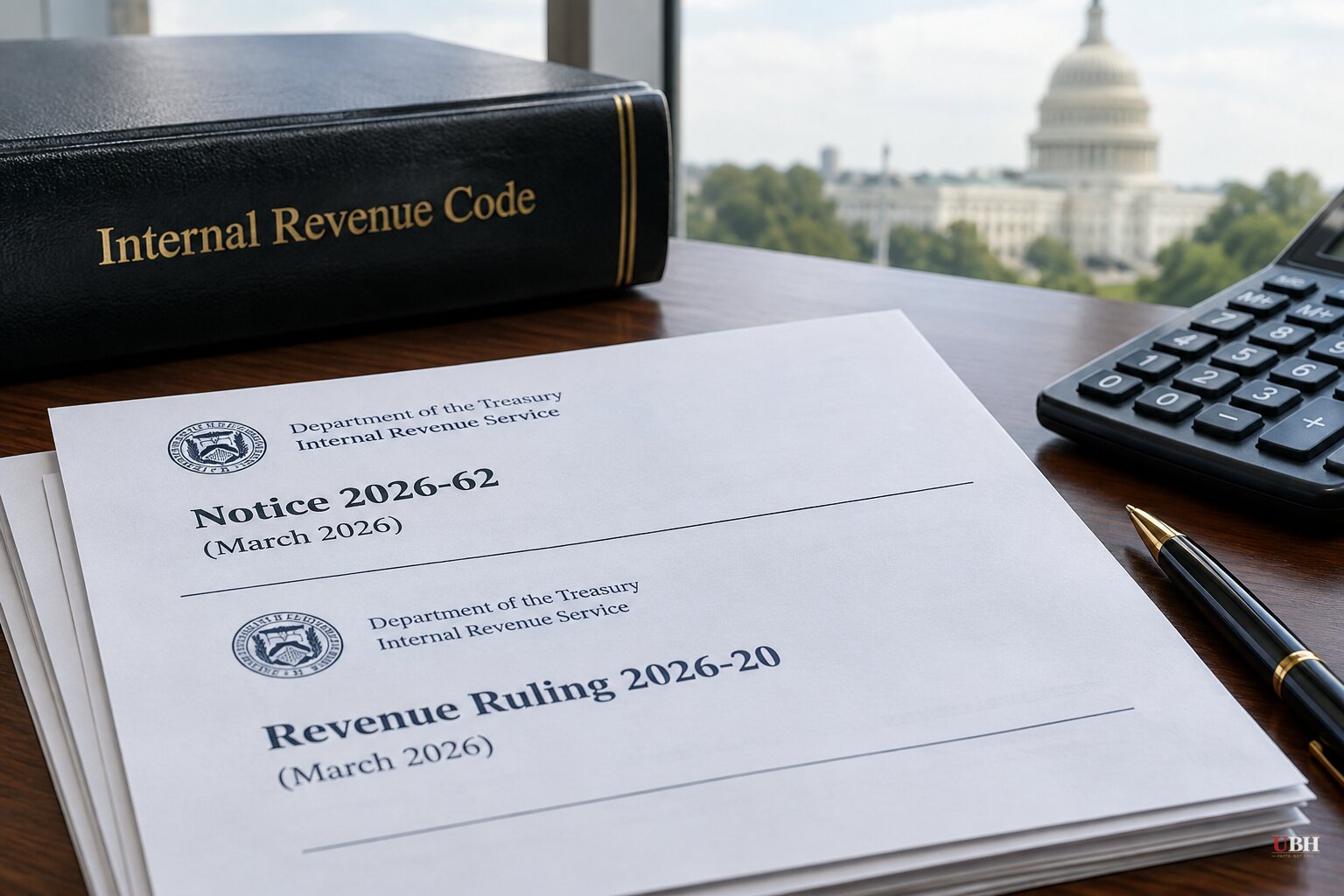
The IRS finally noticed what Wall Street has been doing for three years: manufacturing losses on purpose so rich clients can write off their salaries.
On Monday, September 28, 2026, Treasury and the IRS released Notice 2026-62 and Revenue Ruling 2026-20, according to Bloomberg. The guidance targets so-called "tax alpha" strategies, a niche built around AQR's Delphi Plus fund, the flagship product of what Bloomberg describes as the world's largest hedge fund.
A client hands over capital. The fund structures trades so that gains get taxed at the lower capital-gains rate while losses come back labeled "ordinary," meaning they can offset W-2 wages, bonuses and other income taxed at the top rate. Per documents reviewed by Bloomberg, the AQR TA Delphi Plus Fund held $6.6 billion at midyear and generated ordinary losses in 2025 equal to 28% of invested capital. Write a $10 million check, and you get roughly $2.8 million in losses to deduct against your paycheck in year one, while the winning positions keep compounding inside the fund.
IRS targets specific techniques
The notice reads like a catalog of the industry's favorite tricks. Treasury says it's studying whether to formally designate several techniques as "listed transactions" or "transactions of interest," including tax-aware funds that split gains and losses by character, same-day foreign-currency forward trades under Section 988, selective terminations of equity swaps, mixed-character straddles combining swaps and futures, "box spread" ETFs built to mimic T-bill returns without generating current income, and ETF redemption maneuvers under Section 852(b)(6) that dodge income-qualification tests.
The IRS did carve out an exception for plain old long-short equity strategies, calling them "long-standing, well established techniques." Its problem is with funds it says are "primarily tax-motivated rather than being directed toward generating an economic return from genuine investment activity." Comments on the proposed guidance are due October 28, 2026.
Retroactive application
The concern for people who already bought into these strategies: the IRS stated that any guidance it eventually finalizes "could apply retroactively" to transactions that have already closed. That's an unusual posture. Normally tax guidance applies going forward so people can plan around known rules. Retroactive application means someone who structured a trade last year under existing law could still get hit after the fact.
AQR appears to have seen this coming. The firm had already added disclosure language warning its clients that the IRS could retroactively disallow the tax benefits of its strategies, so investors went in with eyes open. AQR did not respond to Bloomberg's request for comment but has said previously that it adapts its strategies to operate within all relevant guidance and regulations. Whether AQR's current trades already sidestep the IRS's specific concerns is unclear from the public record.
Scale of the shelter
Nathan Koppikar, a short seller at Orso Partners who has been betting regulators would eventually step in, called ordinary-income shielding the industry's "holy grail," according to Bloomberg. NYU law professor Daniel Hemel put it more bluntly, telling Bloomberg that if Treasury doesn't act, the addressable market for this kind of shelter would be "carried interest on steroids." Hemel's point is about scale: capital-gains harvesting mostly helps people who already have large embedded gains sitting in their portfolios. Ordinary-income shielding is a pitch that works for anyone with a big paycheck: surgeons, partners at law firms, Goldman Sachs managing directors.
A tax code that lets high earners convert wage income into deductible losses through engineered trades isn't rewarding risk-taking or investment, it's rewarding clever paperwork. Shutting that down is a defensible use of IRS authority. But doing it retroactively, after clients already structured their finances around existing law, raises a separate and legitimate fairness problem that has nothing to do with whether the underlying shelter deserved to die.
No listed-transaction designation has been finalized. No enforcement action has been announced against AQR or any other fund. The comment period runs through October 28, 2026, and whatever Treasury finalizes afterward will determine whether family offices that already bought into Delphi Plus and similar products face a tax bill for deductions they already claimed.
Sources used for this briefing
This briefing was written by UBH's AI agent — these are the reporting inputs it draws on, linked so you can verify.


