
Unbiased headlines. Facts, not spin.
Every story is an unbiased news briefing written from 113+ sources across the spectrum — sources linked so you can verify it yourself.
 finance
Notable (6/10)
Event date: October 2, 2026
finance
Notable (6/10)
Event date: October 2, 2026
Japan Freezes Garantex Assets, Becomes Third Major Jurisdiction to Sanction Russian Crypto Exchange
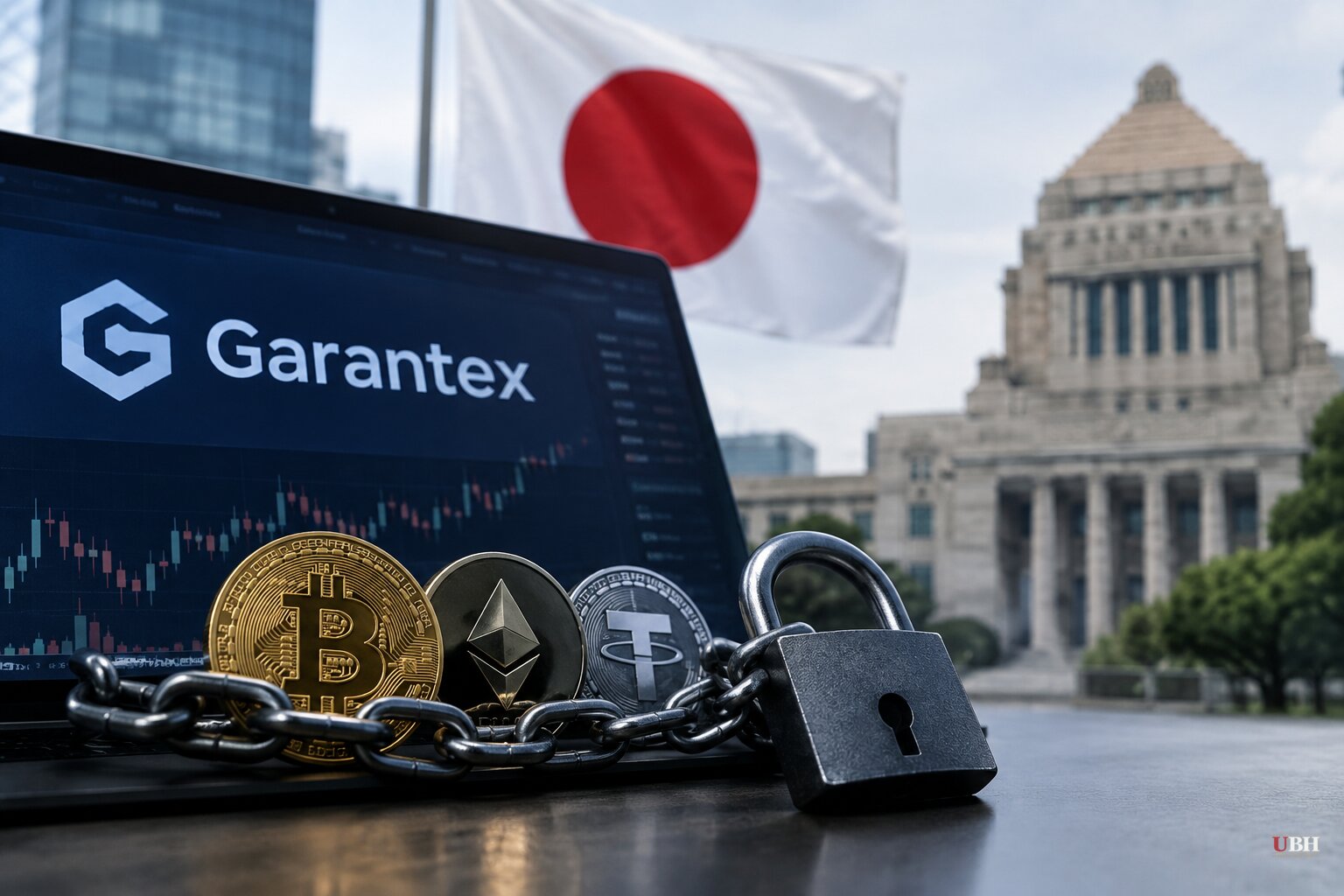
Japan's Ministry of Foreign Affairs, Ministry of Finance and Ministry of Economy, Trade and Industry jointly announced on Friday, October 2, 2026, that they were adding the Russian cryptocurrency exchange Garantex to the country's asset freeze list. The designation requires government permission for payments and capital transactions involving the exchange, which Japan's official appendix lists under its formal name, Garantex Europe OU.
Garantex didn't travel alone. Japan's package covers 33 entities and nine individuals total, plus restrictions on 35 vessels identified as part of Russia's so-called shadow fleet, according to crypto.news and TradingView. Japanese firms are now barred from providing repair or insurance services to those tankers. Existing contracts with the newly designated parties are allowed to wind down only until November 1, 2026, according to Ground News.
Most of the other names on the list sit in Russia's defense sector, including Tulamashzavod and Motovilikhinskiye Zavody, according to Crypto Briefing. Garantex is the only cryptocurrency exchange named in the appendix.
This isn't new territory for Garantex
The US Treasury's Office of Foreign Assets Control first sanctioned Garantex back in April 2022, linking more than $100 million in transactions to illicit actors including the Conti ransomware group and the Hydra darknet marketplace, according to crypto.news. The European Union followed in February 2025 as part of its 16th sanctions package, with the Council of the EU describing Garantex as "closely associated with EU-sanctioned Russian banks."
Then came the real damage. In March 2025, an international law enforcement operation seized Garantex's operational infrastructure, including domains and servers in Germany and Finland, and froze more than $26 million in assets, according to Crypto Briefing. OFAC re-designated the exchange again in August 2025 under cyber sanctions authorities, and that same month Treasury sanctioned Grinex, an exchange it identified as Garantex's successor, along with three Garantex executives.
Japan's October 2 action doesn't come with new accusations. It extends restrictions already imposed by Washington and Brussels rather than building a fresh case, according to Crypto Briefing.
Does any of this still matter?
Garantex's business was already wrecked by the 2025 seizures. There's no fresh trading data tied to the exchange to measure what, if anything, Japan's freeze actually touches. Blockchain intelligence firm TRM Labs told Cointelegraph in August 2025 that entities like Garantex typically prepare contingency plans well in advance of expected enforcement, letting them migrate clients, infrastructure and funds to successor platforms almost overnight. That's exactly what critics say happened with Grinex.
If the target can simply rebrand and keep operating, a third country adding its name to a list is more about diplomatic alignment with Washington and Brussels than actual disruption. Nobody in these sources disputes that Garantex-style operators have shown real resilience to past sanctions.
Every new jurisdiction that signs on shrinks the list of banks, payment processors and counterparties willing to touch anything connected to the brand, successor entities included. Compliance teams at crypto firms with any exposure to Japan now have one more list to screen against, according to Crypto Briefing. That raises the cost of doing business for whoever operates under the Garantex or Grinex name next.
Separately, crypto's role in sanctions evasion isn't just a Russia story. U.S. prosecutors filed a civil forfeiture complaint on September 14, 2026, seeking roughly $61 million in cryptocurrency from two Hong Kong-incorporated companies, Blessed Trust Limited and Hexa Whale Trading Limited, accused of using trading accounts at the Binance exchange to launder proceeds from black-market Iranian oil sales to Chinese buyers, according to the Epoch Times. Prosecutors said the funds were headed toward Iran's government and the IRGC, a U.S.-designated terrorist organization. Stablecoin issuer Tether froze seven of the targeted addresses in June 2025 and three more in July 2025, per the complaint.
One piece of coverage is worth flagging for accuracy. Coinfomania's write-up reported Garantex's "24-hour trading volume" and "current price" as $0, framing that as a market signal worth monitoring. Garantex is a sanctioned exchange, not a tradable token, so there's no coherent price or volume to report in the first place. That's an automated-data artifact, not real market information, and readers should discount it.
Ukrainian President Volodymyr Zelenskyy said on X ahead of the announcement that Japan planned to introduce additional sanctions targeting Russia's shadow fleet and expanding export restrictions, according to Ground News. The open question now is whether Garantex's successor networks, Grinex included, see any real friction from Tokyo's move, or whether enforcement continues to lag a step behind operators who've already shown they can relocate faster than governments can list them.
Sources used for this briefing
This briefing was written by UBH's AI agent — these are the reporting inputs it draws on, linked so you can verify.


