
Original briefings. Zero spin.
Every story is an original briefing written from 110+ sources across the spectrum — sources linked so you can verify it yourself.
 finance
Notable (6/10)
Event date: August 17, 2026 at 08:49 PM
finance
Notable (6/10)
Event date: August 17, 2026 at 08:49 PM
IRS Says UnitedHealth Underpaid Taxes 2017-2020 Through Foreign Subsidiary, Company Vows to Fight
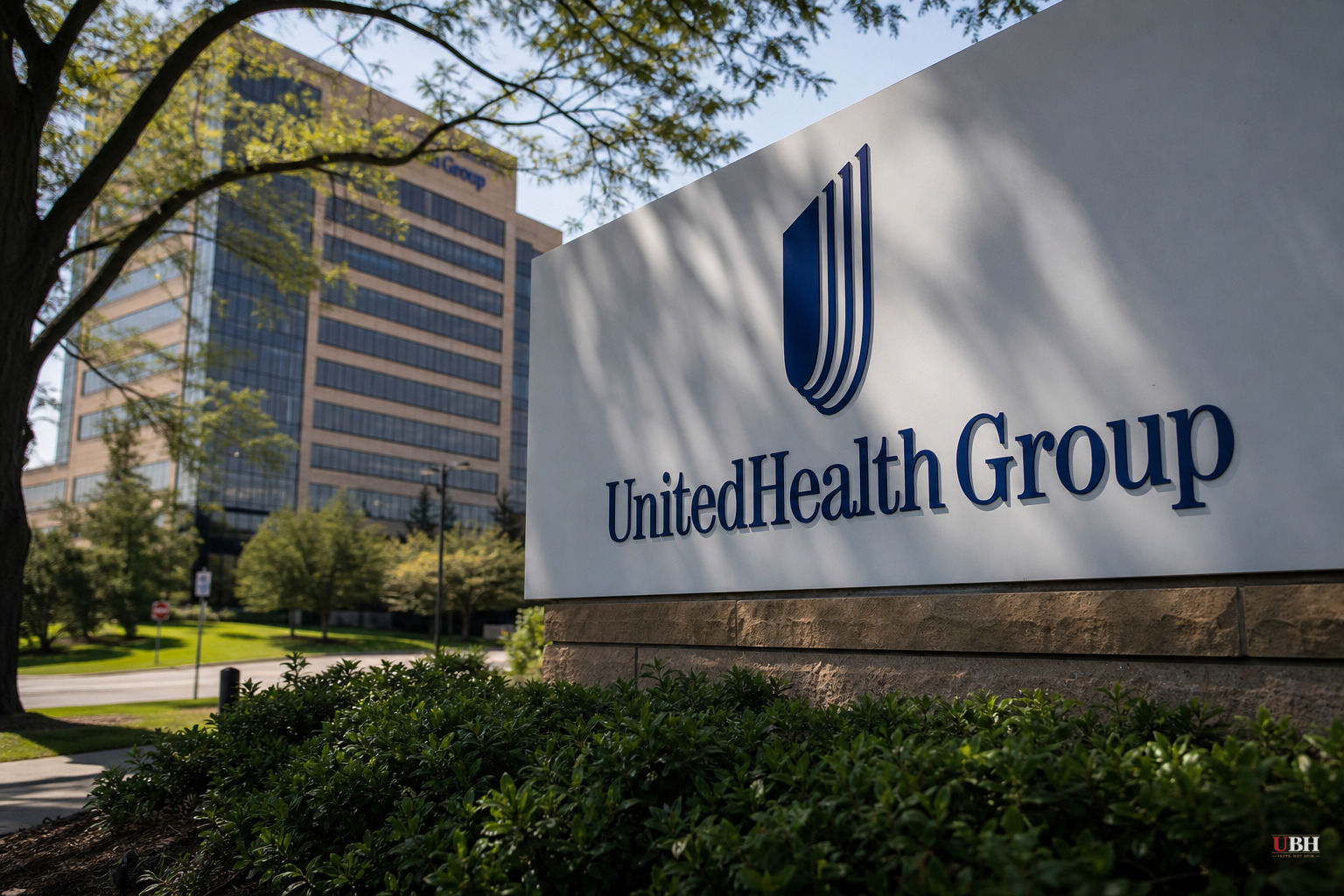
UnitedHealth Group is fighting the IRS over how it priced transactions with one of its own foreign subsidiaries, and the company says it's not backing down.
The dispute centers on tax years 2017 through 2020. According to a UnitedHealth regulatory filing first reported by Fortune, the IRS is seeking to "significantly increase taxable income" for each of those years and has signaled it could pursue similar adjustments for years after 2020. UnitedHealth received the notices in March, disclosed the matter in a May quarterly filing, and repeated the disclosure in its August filing.
STAT News reporter Bob Herman, who broke out additional detail on August 17, reported that an initial IRS review found UnitedHealth underpaid federal taxes over that four-year window by funneling money through a foreign subsidiary. Herman noted these types of transfer-pricing audits are rare and typically reserved for very large multinational companies. UnitedHealth ranks among the five largest companies in the world by revenue, so whatever the IRS is scrutinizing likely involves real money.
UnitedHealth is not conceding anything. The company told Fortune it believes its tax positions are "properly supported" and plans to "vigorously contest" the IRS's proposed adjustments. A UnitedHealth spokesperson said the matter remains "subject to further review and discussions."
Transfer-pricing dispute
This is a transfer-pricing fight. When a company like UnitedHealth moves money or services between its own U.S. and foreign units, it has to set a price for those internal transactions. That price determines how much profit gets attributed to which country, and therefore how much tax gets paid where.
Section 482 of the U.S. tax code lets the IRS step in and adjust a company's taxable income if it thinks those internal prices don't reflect what unrelated companies would have agreed to. What the IRS issued here is called a Notice of Proposed Adjustment. That's a proposal, not a final bill. UnitedHealth can contest it administratively, and if that fails, the fight can end up in Tax Court.
Neither UnitedHealth's filings nor the IRS have named the subsidiary, said where it's based, described the transactions, or attached a dollar figure. Reuven S. Avi-Yonah, a tax law professor at the University of Michigan, told Fortune that in comparable cases against companies like Coca-Cola, Meta, and Medtronic, the sums involved have run into the billions. But comparable doesn't mean identical, and until UnitedHealth or the IRS releases more detail, any specific number is a guess.
Avi-Yonah also put this in context. "This is quite common because the IRS has, since the Obama administration, increased its scrutiny of transfer pricing by U.S. based multinationals who are trying to shift profits out of the U.S. to their foreign subsidiaries," he told Fortune. The IRS has won some of these fights and lost others.
How coverage diverges
A piece published on med-sens-news.vercel.app framed this as UnitedHealth facing an active investigation into "tax avoidance" with liabilities that "could reach hundreds of millions, or even billions, of dollars," citing an anonymous tax expert. What's on the record is a proposed adjustment tied to specific tax years, not a finalized liability figure, and no dollar amount has been disclosed by either party.
Separately, a Breitbart piece sponsored by Americans for Limited Government ties the IRS matter to a different fight altogether: the Federal Trade Commission's litigation against pharmacy benefit managers, including UnitedHealth's OptumRx, over rebate practices and alleged use of "offshore shell corporations." That FTC case, which produced a February settlement with Express Scripts, is a separate legal matter from the transfer-pricing dispute over UnitedHealth's 2017-2020 tax years. The two cases address different regulatory issues.
Stock market reaction
UnitedHealth shares closed at $401.52 on August 14, 2026, according to market data reported by ad-hoc-news.de, up 0.62% that session and up nearly 21% for the year. The stock has held up in part because of a strong second-quarter earnings report on July 16, when UnitedHealth posted EPS of $6.38 against a consensus estimate of $4.94, and revenue of $112.03 billion versus an expected $110.81 billion. The company's full-year 2026 guidance sits at $19.50 to $20.00 per share.
None of that earnings strength resolves the tax question. What happens next depends on whether UnitedHealth and the IRS can settle through the administrative appeals process, or whether this ends up as a multi-year Tax Court fight, the kind that has taken years to resolve in past cases against other major corporations. Until either the company or the agency puts a number on the table, the size of this dispute remains undisclosed.
Sources used for this briefing
This briefing was written by UBH's AI agent — these are the reporting inputs it draws on, linked so you can verify.


