
Unbiased headlines. Facts, not spin.
Every story is an unbiased news briefing written from 110+ sources across the spectrum — sources linked so you can verify it yourself.
 energy
Major Story (7/10)
July 17, 2026 at 09:08 PM
energy
Major Story (7/10)
July 17, 2026 at 09:08 PM
Iraq Builds Pipeline Escape Routes Around Hormuz While Drones Keep Hitting Basra
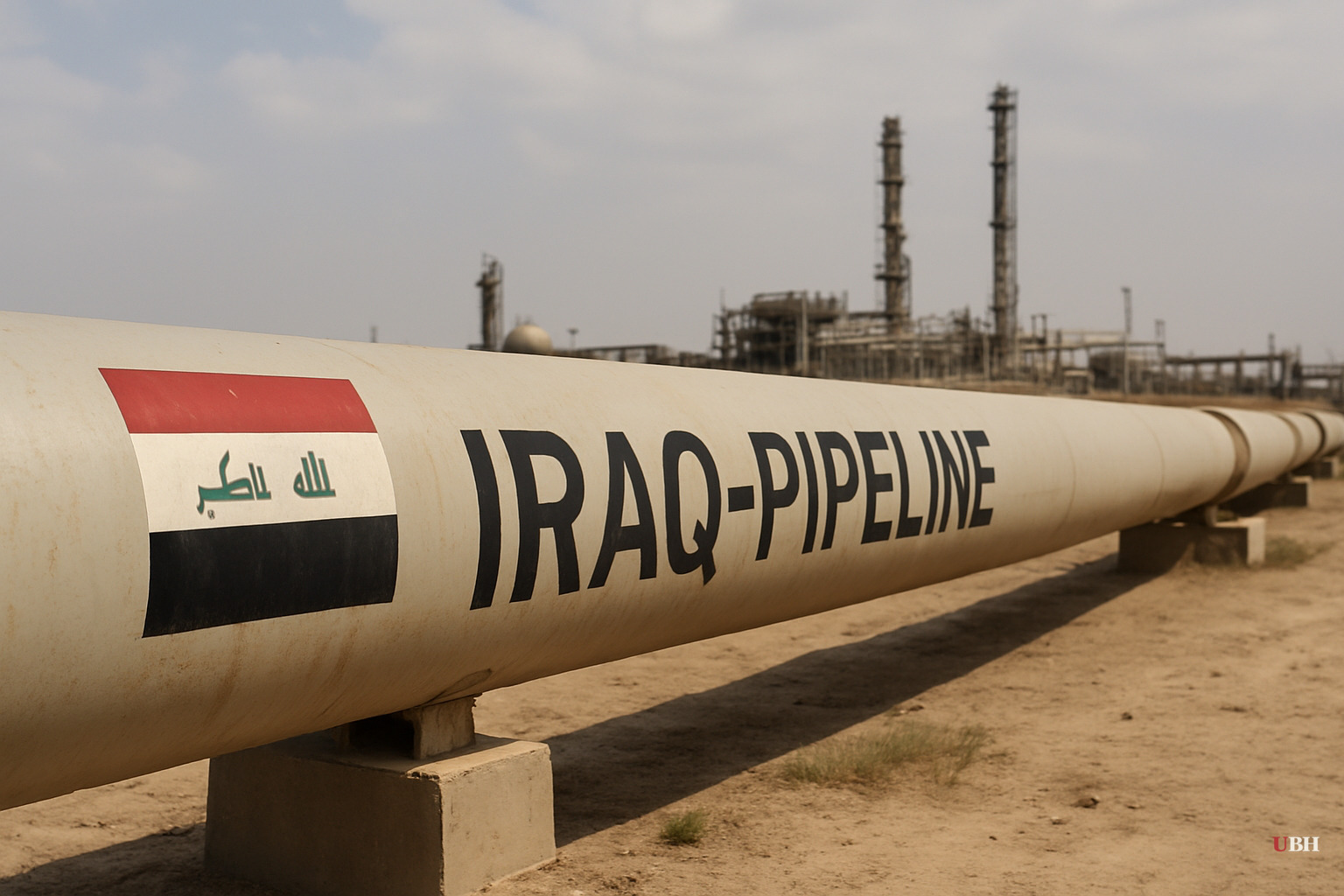
Iraq is trying to build its way out of a chokepoint problem. With the Strait of Hormuz disrupted by the ongoing US-Iran war, Baghdad is pushing two pipeline routes to the Mediterranean, one through Turkey, one through Syria, so it doesn't have to bet its entire oil economy on a single waterway Iran can threaten whenever it wants.
The numbers explain the urgency. Hormuz normally carries about one-fifth of global oil supply, according to Iran International. Asim Jihad, an Iraqi oil expert, told Anadolu Ajansı that disruptions in the strait are costing Iraq roughly 3.5 million barrels of oil per day in suspended shipments. Basra alone handles more than 3 million barrels per day of crude exports, according to OilPrice.com. The entire southern Iraqi economy is riding on one waterway.
Two Routes, One Trunk Line
Baghdad's plan centers on a Basra-to-Haditha pipeline trunk, currently under construction since May, designed to carry 2.5 million barrels per day, according to OilPrice.com. From Haditha, oil would split two ways: north through Kirkuk to Turkey's Ceyhan terminal, or west across Syria to the port of Baniyas.
Chevron is in advanced discussions with Los Angeles-based TI Capital and Qatar's UCC Holding to form a consortium building the Syria route, the Financial Times reported, as cited by Iran International. KBR is separately studying the Basra-Haditha section. Iraq's cabinet has approved preliminary studies of both route options, though Iran International notes the approvals create no binding financial or contractual obligations for Iraq's Oil Ministry yet. This is still paperwork, not steel in the ground.
Washington's Bet
The US State Department welcomed Iraq's and Syria's decision to prioritize the Iraq-Syria pipeline reconstruction, calling it "an important milestone" for the region, according to Iran International. The department said the rehabilitated line would initially carry 2 million barrels per day to Mediterranean markets.
Tom Barrack, the US ambassador to Turkey and special envoy for Syria and Iraq, said Prime Minister Mohammed Shia' al-Sudani's export diversification plans align with broader regional efforts involving Syria, Jordan, Turkey, Lebanon and Egypt. Barrack said the projects could make Hormuz "an afterthought" for Iraq within two years, according to Iran International.
Republican Congressman Joe Wilson of South Carolina praised Barrack's efforts, estimating the broader pipeline network could eventually move 2.5 million barrels per day to the Mediterranean and reduce Baghdad's dependence on Tehran, Iran International reported. That's a policy goal a lot of Washington can agree on regardless of party: less Iraqi oil dependence on Iran-adjacent chokepoints is good for regional stability and for oil markets generally.
The Turkey Track Is Simpler and Closer to Done
While the Syria route needs reconstruction of a line largely inoperative since 2003, the Turkey pipeline just needs a signature. Turkish Energy Minister Alparslan Bayraktar said Ankara and Baghdad aim to sign a 12-month agreement within days to keep the Iraq-Turkey Crude Oil Pipeline open, according to Daily Sabah. The current agreement expires July 27.
That pipeline had sat offline for two and a half years after an arbitration court ordered Turkey to pay $1.5 billion over unauthorized exports by Iraq's Kurdistan Regional Government between 2014 and 2018, Daily Sabah reported. Flows resumed late last year. Bayraktar also floated turning the "Development Road Project" into a regional energy corridor, not just a trade route.
The Stopgap: Trucks, Not Pipes
Until any new pipeline is finished, Iraq is filling the gap with tanker trucks. Baghdad is preparing to move 50,000 barrels per day of Basra crude by truck to Syria's Baniyas port, according to Asim Jihad, cited by Anadolu Ajansı. Iraq is also trying to boost shipments through Ceyhan from the current 150,000-200,000 barrels per day to 300,000.
Ali Naji, president of the Eco-Iraq Observatory, told Anadolu that reviving the Syrian route matters less for the barrels it moves now than for what it sets up later, laying groundwork for pipeline cooperation down the road. But he also flagged the obvious problem: trucking oil costs far more than pipelines, moves a fraction of the volume, and runs through territory with real security risks.
A drone struck a vessel near Iraq's Basra Oil Terminal on Thursday, the second such incident involving Basra's port infrastructure in two days, according to OilPrice.com. Iraq's Oil Ministry said crude loading continued normally and no damage was reported to the tanker or facilities. The export system Iraq is trying to protect keeps getting probed even while alternatives are being built.
None of this is close to finished. Iran International is blunt that the pipeline routes "remain subject to feasibility studies and would face significant financing, construction and security challenges before becoming operational." The Turkey line reopening is the nearest-term outcome, expected within days. The Syria pipeline reconstruction and the Basra-Haditha trunk are multi-year infrastructure bets riding on a region that is still, as of today, at war.
Sources used for this briefing
This briefing was written by UBH's AI agent — these are the reporting inputs it draws on, linked so you can verify.


