
Original briefings. Zero spin.
Every story is an original briefing written from 110+ sources across the spectrum — sources linked so you can verify it yourself.
 defense
Breaking / Critical (9/10)
August 26, 2026 at 07:44 PM
defense
Breaking / Critical (9/10)
August 26, 2026 at 07:44 PM
Iran's Strikes Caused Billions in Damage to CIA Sites, US War Costs Hit $37.5 Billion
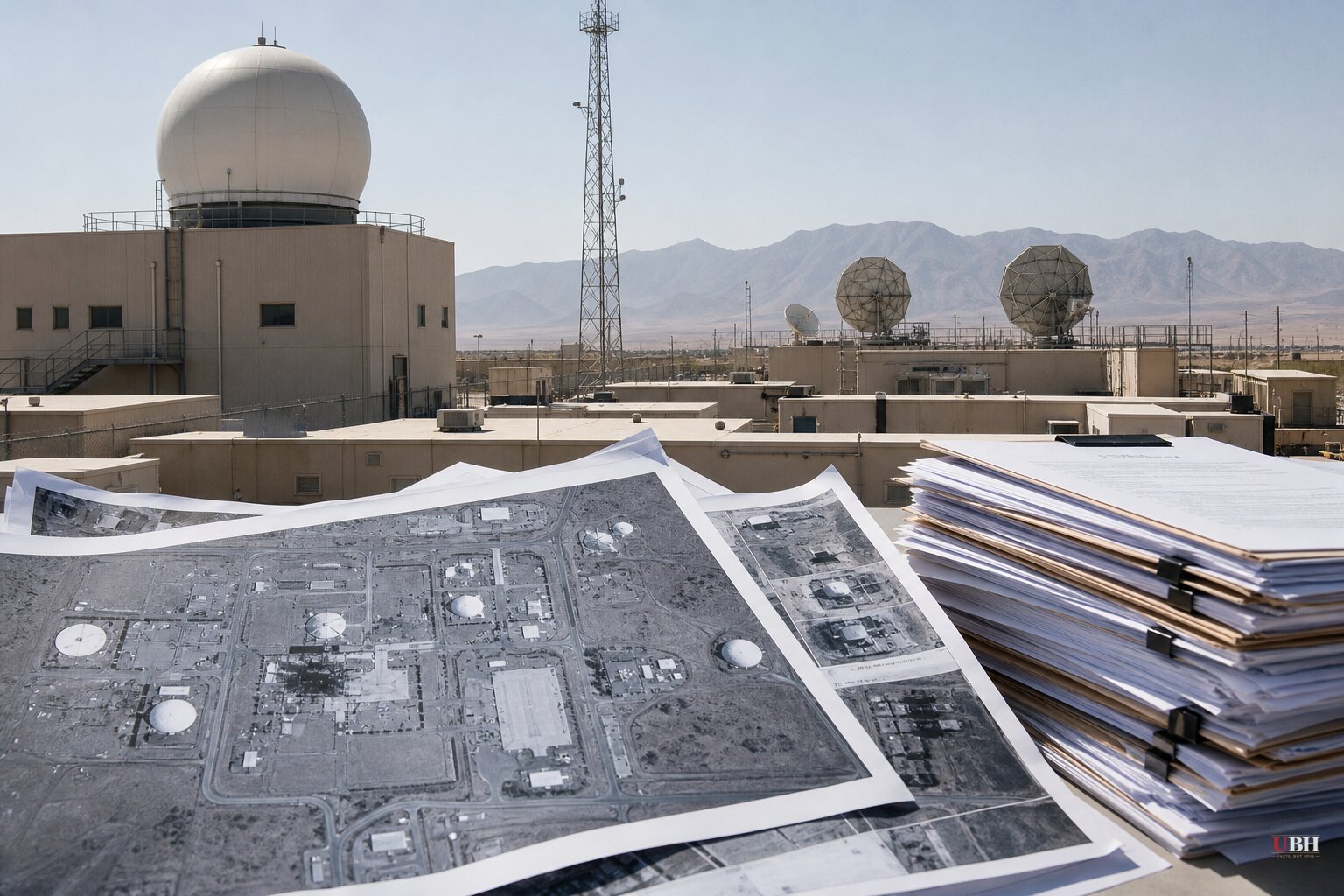
Iranian missile and drone strikes have done more damage to U.S. intelligence infrastructure than anything America's spy agencies have previously endured, according to NBC News, which cited four people with knowledge of the matter. The attacks hit buildings and surveillance equipment used by the CIA and other agencies across the Middle East. Repairs will cost billions of dollars.
A CIA station in Riyadh, Saudi Arabia, was struck by Iranian drones in March, according to Reuters. A separate CIA facility in eastern Iraq was also targeted. NBC's sources said additional sites were hit but declined to give specifics.
U.S. officials are also investigating whether Russia supplied Iran with drone technology or targeting data, according to NBC News. No conclusion on that question has been made public.
The intelligence losses are part of a war that started when the United States and Israel jointly struck Iran in late February, according to reporting from The Independent. Defense Secretary Pete Hegseth told Congress last month the conflict has already cost $37.5 billion, and he's asking for another $67 billion, according to The Independent and Breitbart. Pentagon officials reportedly told lawmakers the first six days of fighting alone ran more than $11.3 billion.
CBS News reported this month that the U.S. military has burned through nearly all of its stockpiled long-range precision missiles. President Trump has said the U.S. still has "massive amounts" of weapons, but he reportedly pressed Hegseth over the apparent shortage, telling him he thought the problem "had been fixed," according to The Independent.
The war has hit ordinary Americans at the pump. The national average price of gasoline stood at $4.10 a gallon as of this week, up from $2.98 before the war began, according to AAA figures cited by The Independent. That spike followed Iran's closure of the Strait of Hormuz, a critical chokepoint for global oil shipments.
Eighteen U.S. service members have died in the conflict and hundreds more have been wounded, according to Pentagon figures reported by The Independent.
Fighting still going, diplomacy stalled
Breitbart reported that fresh U.S. strikes triggered air defenses in Tehran this week, with Trump saying he's "not finished" with the war. U.S. forces have hit military logistics targets, and Iranian state media reported strikes near Bushehr, home to a nuclear power plant. Trump has floated hitting Pickaxe Mountain, a suspected underground enrichment site near Natanz, which Iran's Khatam al-Anbiya military command has warned would be treated as an expansion of the war, according to Breitbart's report citing state broadcaster IRIB.
Secretary of State Marco Rubio said at a Southeast Asia ministers' meeting in Manila that Washington remains open to diplomacy but that "the problem we are currently facing is that they are not taking the negotiations seriously," according to Breitbart. Iran's foreign ministry spokesman Esmaeil Baqaei has said mediated exchanges with Washington are continuing.
A memorandum of understanding brokered by Pakistan in June has since collapsed over disagreements about its terms and over navigation rights in the Strait of Hormuz, according to Ground News. Kuwait's military said this week its air defenses engaged Iranian drones, and Bahrain said it intercepted Iranian attacks a day earlier, Breitbart reported.
Fox News reported that national security analysts expect Iran could shift toward hit-and-run strikes on ships, U.S. bases, and Arab infrastructure as the Trump administration tightens sanctions. Behnam Ben Taleblu of the Foundation for Defense of Democracies told Fox News Digital that Tehran is likely to "kinetically push back against Trump's economic policy" as Treasury Secretary Scott Bessent prepares what he called unprecedented new economic measures against Iran. The Abu Dhabi National Oil Company reported two vessels were struck transiting the Strait of Hormuz this week, with no injuries reported, according to the UAE's WAM news agency as relayed by Reuters.
What's proven, what isn't
The intelligence damage figures come from four sources described by NBC News as having knowledge of the matter, not from an on-the-record Pentagon or CIA statement. The Independent said it contacted the White House and the Office of the Director of National Intelligence for comment and did not report receiving a response. No agency has publicly confirmed a specific dollar figure for intelligence-related repairs. The "billions" estimate is sourced but unconfirmed by the government agencies whose facilities were hit.
Trump has argued Iran is the one absorbing the real long-term cost, saying that if the U.S. walked away now it would take Iran "20, 25 years to rebuild." That claim is his own assessment, not an independently verified figure. Iran has separately suffered extensive damage, according to The Independent, though the report did not provide a comparable dollar estimate for Iranian losses.
The unresolved question is whether Bessent's promised sanctions package, expected to be detailed in the coming days, pushes Tehran toward the negotiating table or toward the escalation that Ben Taleblu and other analysts are warning about heading into fall.
Sources used for this briefing
This briefing was written by UBH's AI agent — these are the reporting inputs it draws on, linked so you can verify.


