
Unbiased headlines. Facts, not spin.
Unbiased Headlines is an independently owned news organization. We bring you the facts, not opinions, written fresh from 110+ named sources. Sources linked so you can verify it yourself.
 energy
Major Story (8/10)
energy
Major Story (8/10)
Iran's Foreign Minister Says Seven-Day Hormuz Plan Still Stands as Tehran Reviews U.S. Comments
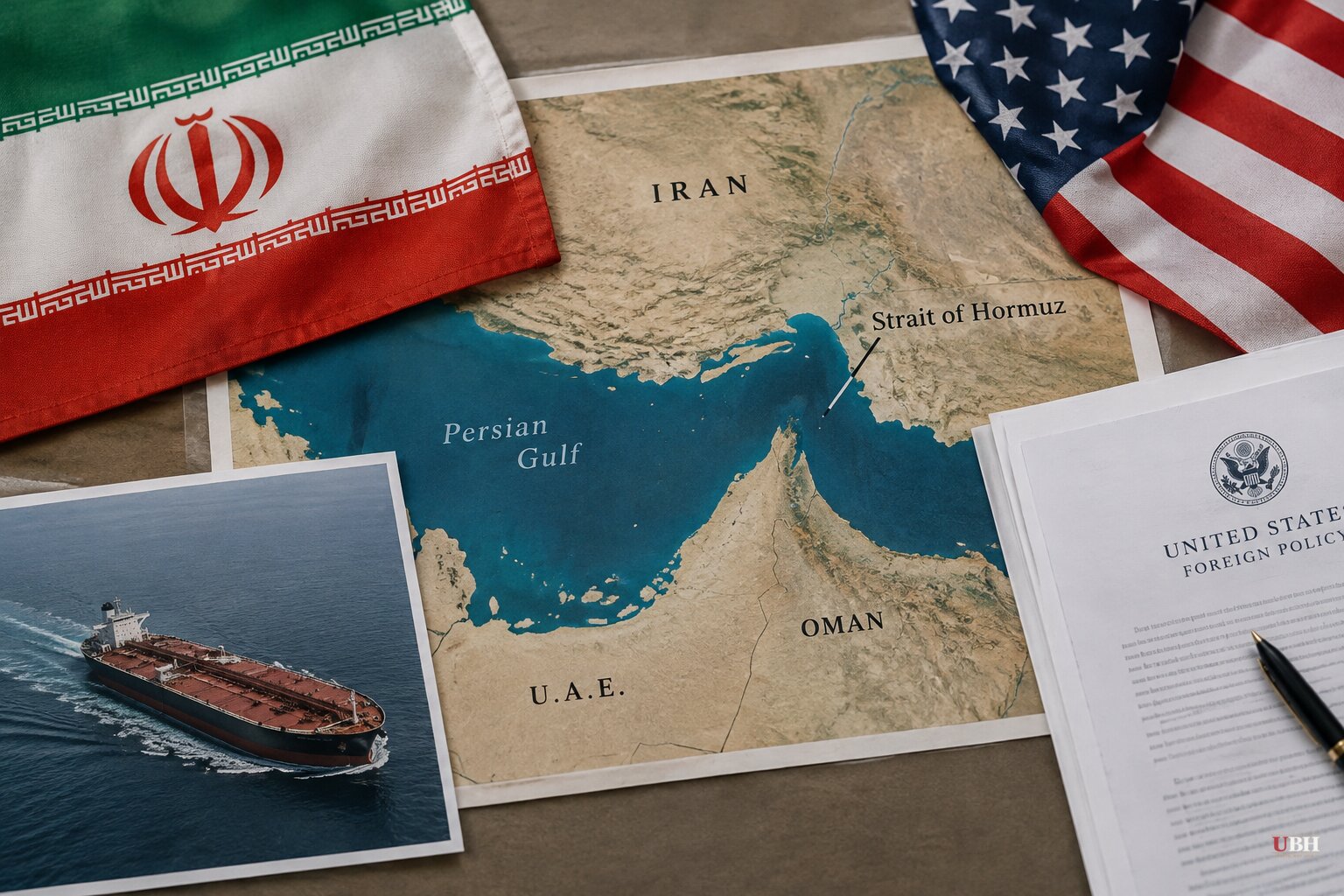
Since Iran put its seven-day plan to Washington in mid-September, after an interim ceasefire collapsed, the two sides have traded messages through Qatar without a deal. On Sunday, Oct. 18, Foreign Minister Abbas Araghchi said the plan is unchanged.
"Our proposal is still on the table," Araghchi told Iranian media in Baghdad, where he was attending the Organisation of Islamic Cooperation's Council of Foreign Ministers. He said Tehran is reviewing comments the U.S. sent back, and that if the United States meets Iran's conditions, the Strait of Hormuz reopens on the sixth day and negotiations begin on the seventh.
He was blunt about Washington's good faith. The way to reopening the strait is clear, he said, "if there is any honesty on the US part, which there isn't."
What Iran is demanding
The conditions include lifting the U.S. blockade on Iranian ports, canceling U.S. sanctions on Iranian oil exports, and ending hostilities on all regional fronts. Araghchi told Iran's official news agency IRNA the demands are neither extraordinary nor unusual. He said they match commitments the United States already made in the June 18 memorandum of understanding and in other negotiations.
He also said Iran will not bow to threats and is ready to defend itself, while staying open to diplomacy.
In his Saturday speech to the OIC, Araghchi said Iran conveyed the concrete seven-day plan through Qatar. He described the U.S. and Israel as having pursued aggression, and said about 5,000 Iranians were killed in the war.
Where the U.S. stands
The core dispute is sequencing. Washington wants Iran's nuclear program addressed from the outset. Vice President J.D. Vance said earlier this month that Iran must make a real reduction in its uranium enrichment capacity to meet U.S. demands and end the war, now nearly eight months old.
Tehran wants the first phase to deal only with reopening Hormuz and restoring security in the waterway. Before the war, about a fifth of global oil and liquefied natural gas trade passed through it.
Iran's security chief said last week that talks have stalled because Washington did not address all seven of Iran's conditions.
The MoU set a 60-day window ending Aug. 17 for talks on a final agreement covering the nuclear program and sanctions removal. The two sides did not make enough progress to meet it.
Threats and a hit on the water
Iran's newly appointed defense minister, Mehrdad Akhlaghi, spoke after winning a parliamentary vote of confidence. He warned of "enormous damage" to the United States and its allies in the Middle East if Washington resumes its military campaign. "People can rest assured that they will most likely not dare to attack us," he said.
On the water, the U.K. Maritime Trade Operations agency said a tugboat traveling southbound off the coast of the United Arab Emirates reported being struck by two unknown projectiles. The tug was damaged but is continuing on its route, and one minor casualty was reported. The agency did not say who fired.
Houthi pressure on Saudi Arabia
In Riyadh, office management at the 99-story Kingdom Center told tenants to work remotely "until further notice" amid repeated attacks by the Iran-backed Houthis on the kingdom. The mall at the base remains open.
Araghchi has also offered Iran as a mediator in Yemen's war. Yemen's foreign minister rejected that. "When Iran's foreign minister and his officials offer 'mediation' in Yemen, they are offering to mediate a war ignited by the coup of the Houthi terrorist militia with their regime's backing," she said.
What comes next
No date has been set for Iran to finish reviewing the U.S. comments. Iran's offer of a day-six reopening depends on Washington accepting all of Tehran's conditions, and Washington's stated position is that the nuclear question comes first. Neither side has moved off those positions.
Sources used for this briefing
8 links from 8 independent newsrooms (syndicated copies of the same report count once)
These are the sources it draws on, linked so you can verify.


