
Original briefings. Zero spin.
Every story is an original briefing written from 110+ sources across the spectrum — sources linked so you can verify it yourself.
 defense
Breaking / Critical (9/10)
Event date: September 4, 2026
defense
Breaking / Critical (9/10)
Event date: September 4, 2026
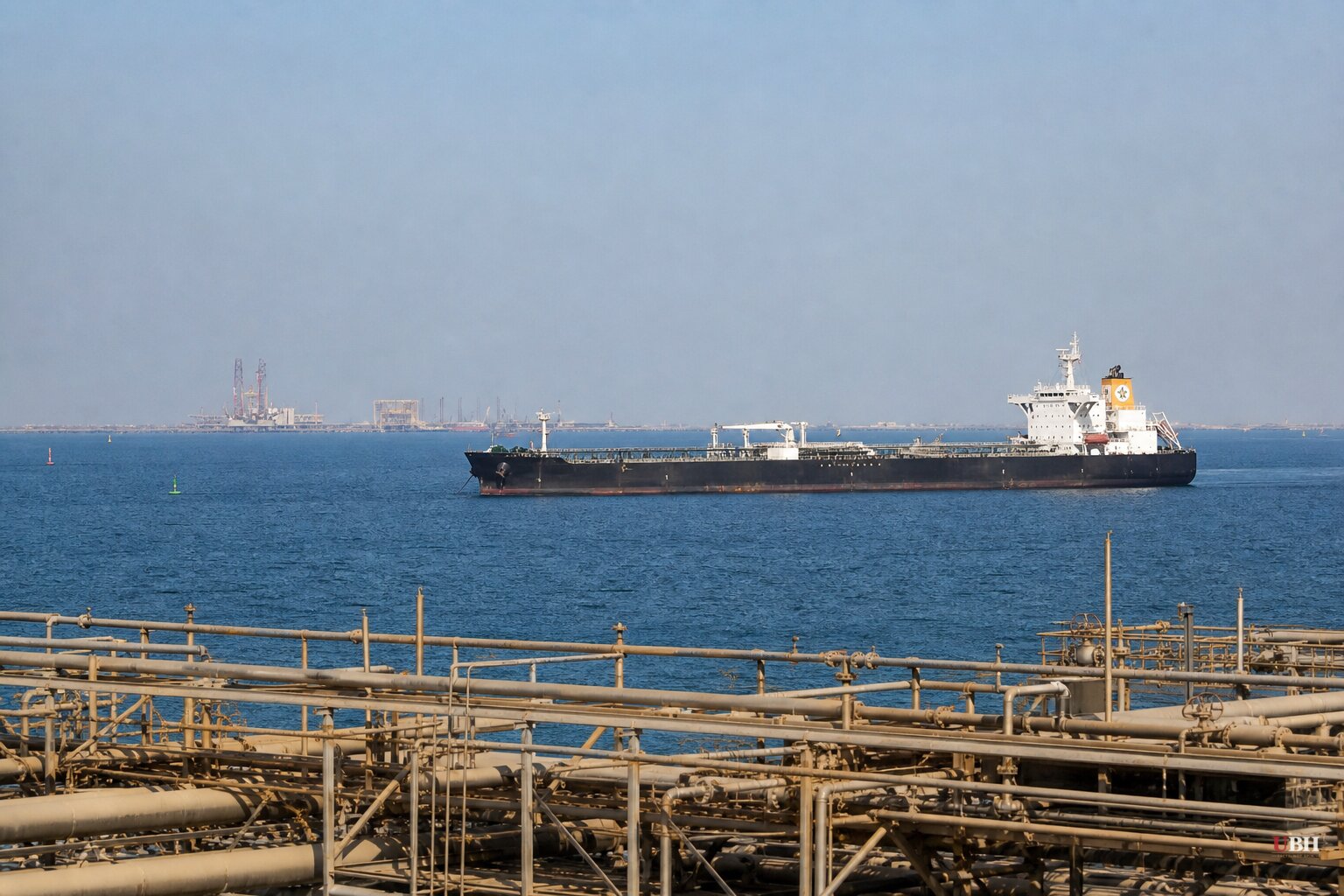
Iranian Tanker Hit Near Kharg Island as Trump Threatens Strike on Iran's 'Pickaxe Mountain' Site
Since Israeli and U.S. strikes on Iran began February 28, the conflict has dragged through six months of on-again, off-again bombing, stalled diplomacy, and now a fresh flashpoint at Iran's main oil export terminal.
A small Iranian oil tanker was hit near Kharg Island on Saturday, September 5, according to Iran's Student News Network. No casualties were reported. Iranian outlet Khabar Fouri later reported the vessel was struck by four missiles and was being evacuated, according to the Times of India. Reuters confirmed hearing explosions in the area but, as of the reports reviewed, could not confirm the source of the blasts, according to the Sunday Guardian Live and Anadolu Agency. Kharg Island handles roughly 90 to 95 percent of Iran's crude exports.
The tanker strike lands days after President Trump warned the U.S. could hit Iran's Pickaxe Mountain site "very soon." Speaking in the Oval Office, Trump said the fortified underground complex near the damaged Natanz enrichment facility remains a target if Washington determines activity is happening there. "We're in five months now," Trump said. "They're not going to have a nuclear weapon; that's what we did." He added that Iran "will not have a nuclear weapon because if they did, you probably wouldn't be standing here very long."
Asked separately whether the U.S. would use a nuclear weapon against Iran, Trump called it "a stupid question" and said he ruled it out because Iran's military is "totally defeated." He also pushed back on describing the fighting as a full-scale war, backing Vice President JD Vance's framing and calling it "small potatoes" and a limited "military conflict."
Strikes, Mines, and Retaliation
The latest round of direct combat traces back to Sunday, when U.S. forces struck two Iranian missile launchers on Larak Island, the first acknowledged American strikes on Iran since July 29, according to Breitbart. CENTCOM spokesman Capt. Tim Hawkins said IRGC forces were caught preparing to launch rockets loaded with sea mines into the Strait of Hormuz, days after CENTCOM said it had quietly cleared mines Iran had already laid in the strait's shipping lanes.
Iran retaliated with drones and ballistic missiles aimed at U.S. positions in Jordan and the UAE. Most or all were intercepted, with no damage reported as of the following Monday morning. CENTCOM rejected Iran's claim that the retaliation was "necessary and lawful," saying Iran "created the threat" by mining the strait. According to AP, cited by the Sunday Guardian Live, 18 U.S. service members have been killed over the course of the campaign.
Trump had posted a video on Monday, August 31, showing Kharg Island "blown to smithereens," though none of the actual U.S. strikes that day were confirmed to have targeted the island. Hamid Bovard, CEO of Iran's state-run National Iranian Oil Company, called the video "laughable" and said the facility is calm, operational, and undergoing repairs and modernization. That gap between Trump's rhetoric and Bovard's on-the-ground account, and the fact that Reuters still hasn't independently confirmed who struck the tanker near Kharg on Saturday, means the actual state of Iran's main oil terminal remains unverified by independent reporting.
Iran's Internal Strains
Inside Iran, officials are split on how to respond. Chamran, head of Tehran's City Council, called for preemptive strikes rather than "passive defense," arguing deterrence should include disrupting what he called the enemy's "war posture" before it acts. Iran's IRGC said explosions heard Saturday in Damavand, east of Tehran, were from training exercises, not enemy action.
Tehran Mayor Alireza Zakani, a prominent conservative, offered a more introspective warning, saying Iran risks "eroding from within" unless it pairs resistance to U.S. pressure with domestic reform. He cited inflation and a collapsing national currency as unresolved problems that predate the war.
Separately, Iran's judiciary chief Gholam-Hossein Mohseni Ejei asked BRICS members meeting in New Delhi on Saturday to condemn what he called violations of Iran's sovereignty and to pursue war crimes prosecutions under universal jurisdiction. No BRICS member has announced action on that request.
The Oil and Proxy Angle
The war's economic fallout is being partly offset by a separate deal: North American Blue Energy Partners, now controlled by Venezuelan businessman Alejandro Betancourt, is taking over 17 Venezuelan oil fields previously run by Chinese and Russian firms, part of an arrangement giving the U.S. majority control over 65 billion barrels of Venezuelan reserves. NABEP is expected to pay $200 billion in royalties and taxes over 25 years and will give the Pentagon's Office of Strategic Capital a 35 percent equity stake in its parent company, according to White House figures cited by Reuters.
In Iraq, a court sentenced Amir Rahim Jabar Lazim to 15 years under the country's Anti-Terrorism Law for his role in the March 31 kidnapping of American journalist Shelly Kittleson, who was freed in April after Secretary of State Marco Rubio credited Iraqi authorities. U.S. officials had linked her abduction to the Iran-aligned militia Kata'ib Hezbollah.
The unresolved question is whether Washington follows through on Pickaxe Mountain. The June 18 memorandum of understanding between the U.S. and Iran on Strait of Hormuz navigation remains stalled over security arrangements, and neither side has signaled a path back to it.
Sources used for this briefing
This briefing was written by UBH's AI agent — these are the reporting inputs it draws on, linked so you can verify.


