
Original briefings. Zero spin.
Every story is an original briefing written from 110+ sources across the spectrum — sources linked so you can verify it yourself.
 defense
Breaking / Critical (9/10)
September 1, 2026 at 07:54 AM
defense
Breaking / Critical (9/10)
September 1, 2026 at 07:54 AM
Iranian Missiles Hit Saudi Tanker Off Oman as Trump Threatens to 'Smack' Tehran Again, Approval Falls to 32%
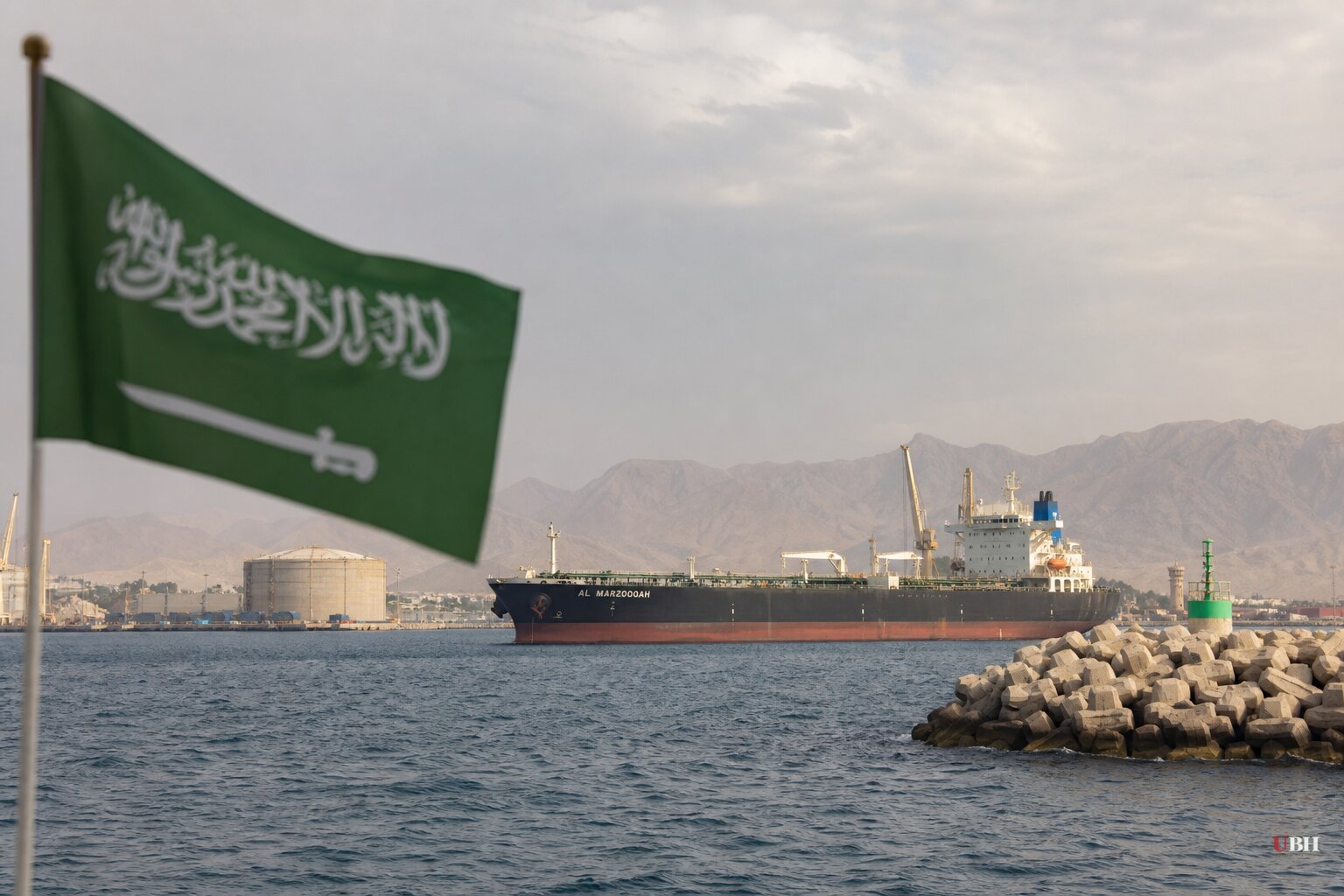
Since U.S. forces struck two Iranian rocket launchers on Larak Island Saturday night, ending roughly a month without direct fire between Washington and Tehran, the fight has spread from military targets to commercial shipping. A Saudi-flagged crude tanker, identified by CBS News through open-source tracking as the SIDR, was struck by three unknown projectiles Monday evening about 17 nautical miles east of Khasab, Oman, according to the British Royal Navy's Maritime Trade Operations center. No casualties or environmental damage were reported.
The tanker strike came a day after Iran fired missiles at U.S. bases in Jordan, all intercepted by Patriot batteries that Jordanian officials say are running low on interceptors, according to PBS NewsHour. The United Arab Emirates said it shot down an Iranian drone over its territorial waters Monday, calling it a "dangerous escalation."
Trump says any response stays small
Asked in the Oval Office whether renewed strikes mean a return to full-scale war, President Trump said, "It's very limited." He called Iran a "failed nation," saying its leaders are "largely dead," its navy and air force are "gone," and its surveillance equipment is "almost entirely gone." He added: "That doesn't mean we won't smack them. We'll see what happens," according to both PBS and The Hill.
Trump also claimed U.S. Navy escorts are getting roughly 30 ships a night through the strait. Over the weekend he posted an AI-generated video on Truth Social depicting Iran's Kharg Island oil terminal, which handles about 90% of Iran's crude exports, "being blown to smithereens," according to The Independent. Hamid Bovard, chief executive of the National Iranian Oil Company, said operations there hadn't stopped and called the post "laughable." A U.S. official told Reuters the strikes did not target Kharg Island at all.
Vice President JD Vance said the immediate U.S. priority is restoring "the free flow of commerce" through Hormuz, telling reporters the Larak Island strike was meant to stop Iran from laying sea mines. He called Iran's leadership "really crazy" and said they act "not with a whole lot of strategic wisdom."
The Pentagon's 'mow the lawn' plan
Behind the public rhetoric, U.S. Central Command has drafted a plan for periodic, limited strikes to keep Iran from rebuilding radar, air-defense and anti-ship missile systems destroyed earlier in the war, Axios reported Monday, citing three U.S. officials. War Secretary Pete Hegseth backed the proposal and sent it to the White House days ago. One official described the goal as having to "mow the lawn" indefinitely.
The concern isn't hypothetical. U.S. officials confirmed Iranian forces fired an anti-aircraft missile at an F-35 escorting tankers through the strait. It didn't come close to the jet, but officials read the launch as proof Tehran is restoring capacity. Iranian officials are saying the same thing out loud. Brig. Gen. Alireza Elhami, who runs Iran's Joint Headquarters of Air Defense, said Monday that Tehran has unveiled new domestically built interception systems developed from lessons of the earlier campaign, according to Iranian state media. Senior IRGC adviser Brig. Gen. Mohammad Reza Naqdi claimed damaged weapons plants have been rebuilt in more secure locations with better technology and higher output, and said Iran retains "more than 90 percent" of its prewar capability.
A door Iran keeps holding open
Iranian President Masoud Pezeshkian said Tuesday on Telegram that Iran would immediately return to the terms of the June memorandum of understanding if the U.S. does the same, adding, "my country has a brilliant record of fulfilling its international commitments." He made a similar pitch Monday to Pakistani Prime Minister Shehbaz Sharif at the Shanghai Cooperation Organisation summit in Kyrgyzstan, saying continued war isn't in Iran's interest. Whether the Trump administration views that offer as genuine or as posturing while Iran rearms is an open question none of the sources resolve.
Markets and Trump's numbers move together
Brent crude closed Monday above $90 a barrel, up 2.7% on the day, according to CBS News, and was up roughly 1.4% again Tuesday morning per OilPrice.com data, trading north of 30% above pre-war levels though still well under April's peak above $100. The S&P 500 fell 0.3% Monday, the Dow dropped 374 points (0.7%), and the Nasdaq slipped 0.1%, though all three indexes still finished August with gains. The 10-year Treasury yield climbed to 4.75%.
A UMass Amherst poll conducted Aug. 21-26 found Trump's approval at 32%, down a point from March, with 64% disapproving and 54% saying they disapprove strongly. The survey sampled 262 Trump 2024 voters, 360 Harris voters and 361 nonvoters, and found 68% think Trump is handling the Iran war poorly against just 25% who approve of his handling. Co-director Alexander Theodoridis called it "not a mass exodus" but said it shows "clear, consistent signs of an erosion trend," noting 16% of Trump's own 2024 voters said they'd vote differently in hindsight.
The fairest case for Trump's position, which he's made directly, is that seven months of strikes have gutted Iran's navy, air force and command structure, and that keeping the current campaign narrow avoids the kind of open-ended ground war voters plainly don't want. The UMass numbers suggest that argument isn't landing with most of the public regardless, and with a tanker now hit and Iran publicly claiming to be rebuilding, the next test is whether CENTCOM's "mow the lawn" strikes stay limited or pull Washington deeper into a fight that's already run six months past Trump's original one-month prediction.
Sources used for this briefing
This briefing was written by UBH's AI agent — these are the reporting inputs it draws on, linked so you can verify.


