
Original briefings. Zero spin.
Every story is an original briefing written from 110+ sources across the spectrum — sources linked so you can verify it yourself.
 defense
Breaking / Critical (9/10)
Event date: August 31, 2026
defense
Breaking / Critical (9/10)
Event date: August 31, 2026
Iran War Passes Six Months: Tankers Hit in Hormuz, US Stockpiles Called 'Beyond Critical,' Xi Heads to Cairo
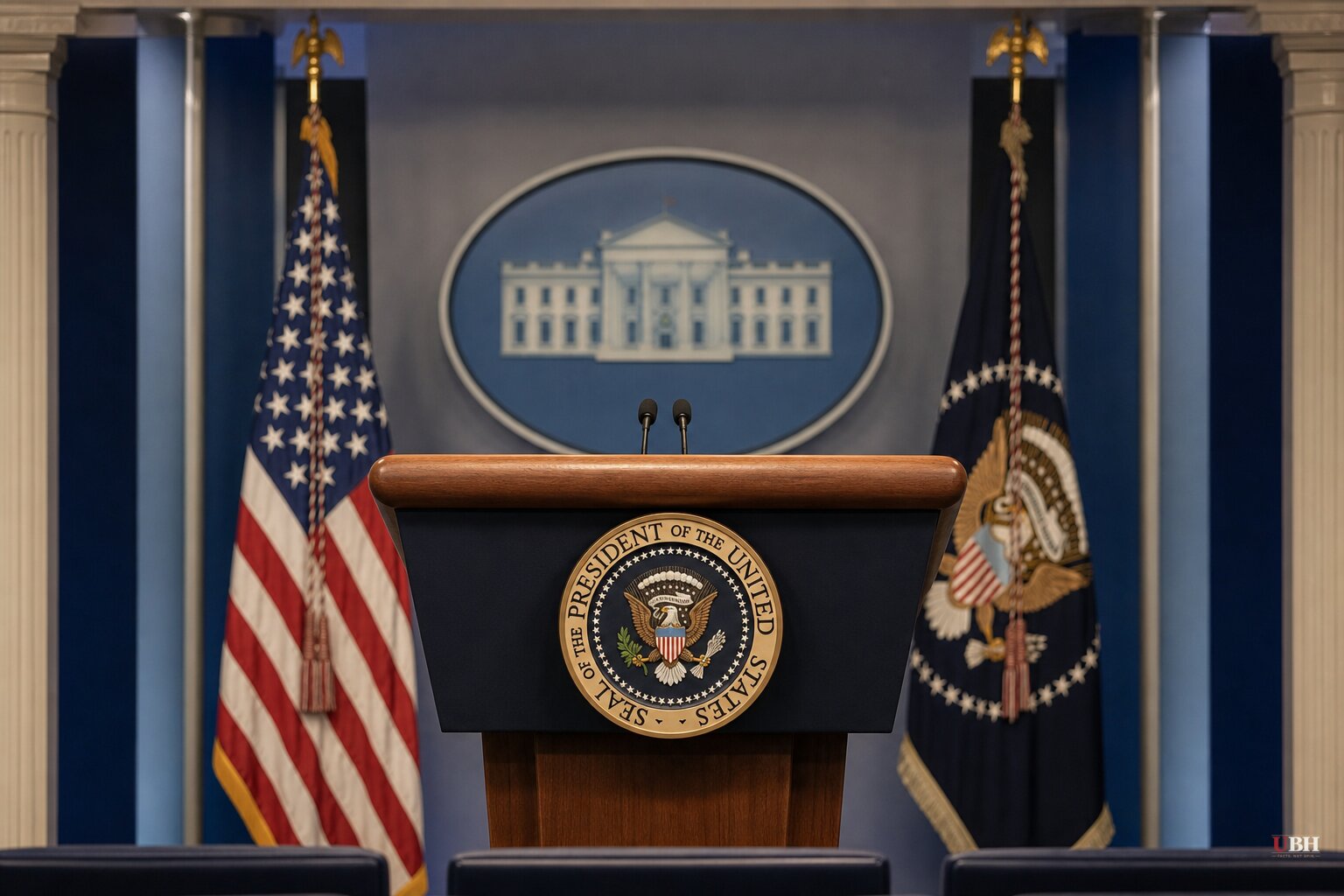
Six months into the war that started when the United States and Israel struck Iran on February 28, the fighting hasn't stopped and it's spreading in new directions.
The Fighting Escalates in the Gulf
Tankers were hit in the Strait of Hormuz in the last two days, according to CBS News, and President Trump is reportedly weighing further strikes as the conflict grinds on. Qatari Foreign Ministry spokesman Dr. Majid Al-Ansari said Tuesday that Doha "warned from day one" that leaving control of the strait unresolved "would end in escalation in the region, and this is what we saw yesterday and today." Al-Ansari said Qatar is still working mediation channels through Pakistan and Oman to get both sides back to the negotiating table.
Vice President JD Vance told Fox News on Monday that Iran's leaders are "really crazy" and "willing to do anything" to disrupt oil and gas flows, including striking their own allies. Trump himself has separately ruled out using a nuclear weapon against Iran, calling the question "stupid" and asserting Iran's military is "totally defeated." Trump's characterization of the battlefield has not been independently verified, and it sits awkwardly next to a war that entered its seventh month with tankers burning in a critical shipping lane.
Tehran Leans on Moscow, Threatens Neighbors
Iranian President Masoud Pezeshkian thanked Russian President Vladimir Putin on Tuesday at the Shanghai Cooperation Organization summit in Kyrgyzstan, their first meeting since the war began. Pezeshkian credited Moscow's support "at every stage" of the conflict and called the Iran-Russia relationship "strategic," not "ordinary." Separately, Iran's security chief has threatened neighboring states against taking economic measures against Tehran, according to AP News, even as Egypt tries to revive US-Iran talks.
Washington Squeezes Iran's Banking Partners
The US last week cut off Egypt's Banque Misr from operating through its UAE unit within the US financial system, part of a broader campaign the administration says is meant to economically isolate Tehran's partners, according to Al-Monitor. China, a major buyer of Iranian oil, faces the same threat over its own financial links to Iran.
This is the backdrop for Chinese President Xi Jinping's trip to Egypt, scheduled to begin Tuesday with a meeting with Egyptian President Abdel Fattah al-Sisi set for Wednesday. Gamal Salama, a political science professor at Suez University, told Al-Monitor the visit "comes at a time when China's economic interests are directly exposed to the US-Iran war." Liu Jia of the Singapore-based Middle East Institute said Beijing is "clearly seeking Egypt's cooperation in managing and shaping regional affairs." The visit precedes a Trump-Xi meeting expected later this month.
A Weapons Shortage the Pentagon Denies
A Wall Street Journal report cited by i24NEWS says US military planners are increasingly worried that weapons shifted to the Middle East for the Iran war have thinned out stockpiles meant to deter China and Russia. Officials told the Journal that shortages of Patriot interceptors and other munitions have left some inventories "beyond critical," particularly in Europe and Asia, and that the Pentagon may not be able to fully execute existing plans to defend Taiwan if China attacked.
The White House and Pentagon reject that entirely. White House spokeswoman Anna Kelly told the Journal the US military has "more than enough munitions, ammo, and stockpiles to serve all of President Trump's strategic goals and beyond." Pentagon spokesman Sean Parnell called the shortage claims "false." Neither side has produced inventory numbers publicly, so the dispute remains unresolved between officials who say the drawdown is real and an administration insisting it isn't.
Oil, Accountability, and a Regional Rethink
On the economic front, North American Blue Energy Partners, now controlled by Venezuelan businessman Alejandro Betancourt, is taking over oil fields previously run by Chinese and Russian firms as part of a deal Trump announced last week giving the US majority control over 65 billion barrels of Venezuelan reserves. The White House says the arrangement, which grants the Pentagon's Office of Strategic Capital a 35% equity stake, could ease pump prices that have stayed elevated because of the Iran war.
Separately, an Iraqi court sentenced Amir Rahim Jabar Lazim to 15 years under Iraq's Anti-Terrorism Law for his role in the late-March kidnapping of American journalist Shelly Kittleson, who was abducted in Baghdad and freed in April. Kittleson thanked Iraqi authorities Monday. US officials had linked the kidnapping to the Iran-aligned militia Kata'ib Hezbollah, making the conviction a rare instance of legal accountability against an Iran-backed proxy.
An analysis from globalsecurityreview argues the war has exposed a deeper flaw: the region's old security model, built on American protection and bilateral hedging, couldn't stop missile and drone attacks from reaching Gulf territory even where defenses worked. The piece calls for a new collective defense arrangement modeled loosely on NATO. Gulf states, Israel, and other regional players have spent decades distrusting each other as much as they distrust Tehran. Whether any formal alliance could survive those rivalries is an open question nobody involved in the fighting has answered yet.
Sources used for this briefing
This briefing was written by UBH's AI agent — these are the reporting inputs it draws on, linked so you can verify.


