
Unbiased headlines. Facts, not spin.
Every story is an unbiased news briefing written from 110+ sources across the spectrum — sources linked so you can verify it yourself.
 defense
Breaking / Critical (9/10)
July 15, 2026 at 05:55 PM
defense
Breaking / Critical (9/10)
July 15, 2026 at 05:55 PM
Iran Threatens to Shut All Regional Oil Routes, Not Just Hormuz, as US Blockade Returns
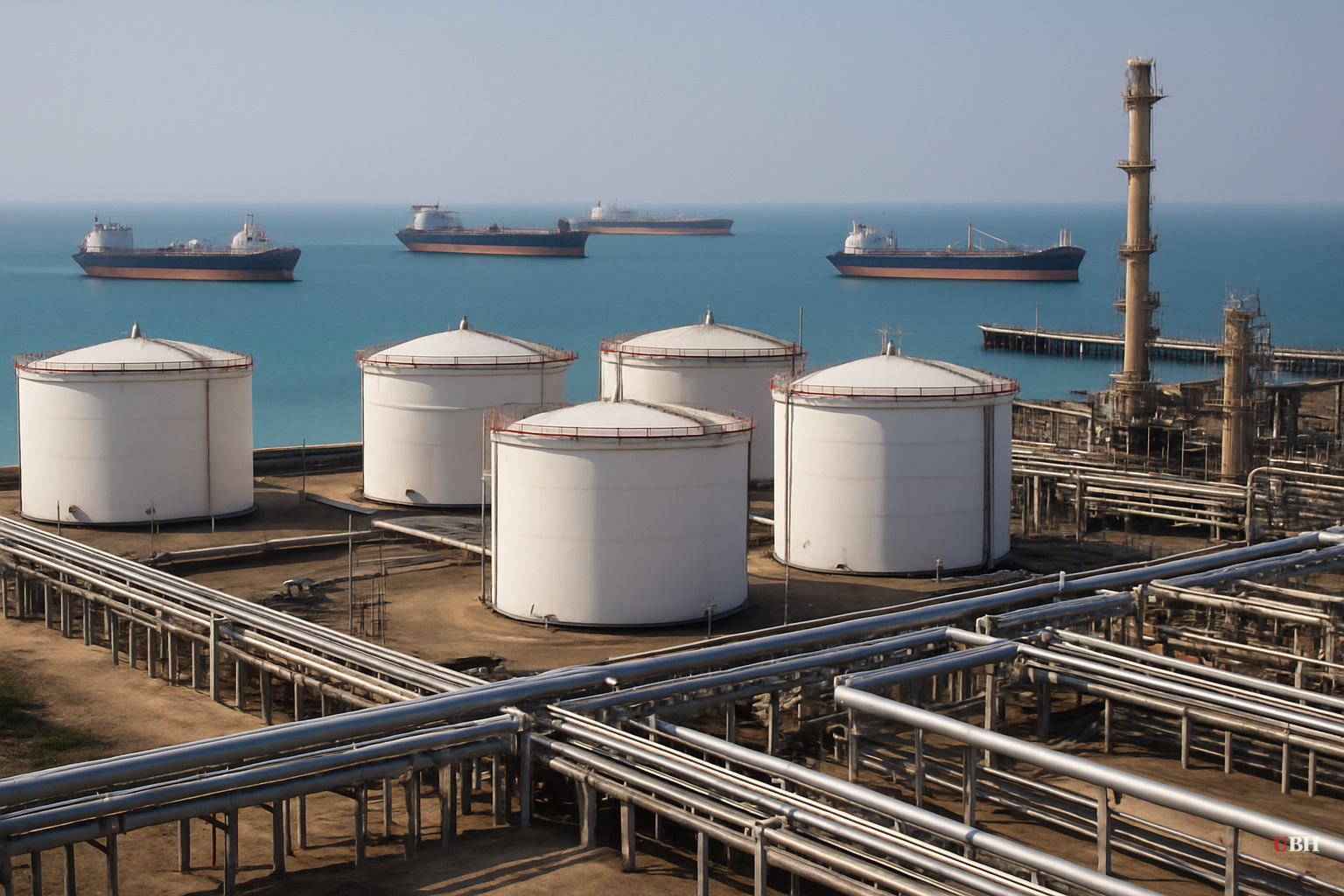
Iran's Revolutionary Guard Corps escalated its threats on Wednesday, warning it will close "other oil and gas export routes" beyond the Strait of Hormuz if the United States doesn't end what it called "acts of aggression." Prior statements from Tehran had focused almost entirely on Hormuz itself.
"The region's oil and gas exports will either be available to everyone or to no one," the IRGC said in a statement carried by Iranian state media, according to NPR. The statement didn't name the Bab al-Mandab Strait directly, but NPR noted Iran has previously threatened that passage too. Bab al-Mandab sits at the mouth of the Red Sea and feeds into the Suez Canal, the Gulf of Aden and the Indian Ocean. Blocking it would hit shipping lanes between Europe, Asia and Africa that have nothing to do with Hormuz.
The new threat came directly in response to the US reimposing its naval blockade on Iranian ports Tuesday evening, according to the BBC. That blockade had been lifted last month under a memorandum of understanding both countries struck to wind down the conflict. It's now back on, and Iran says the dispute over the strait is the thing keeping that deal from holding.
Fifth day of renewed strikes, no ceasefire left standing
The US Central Command said it launched a fresh wave of strikes Wednesday morning after a seven-hour overnight operation, following a 90-minute strike that hit Iranian coastal defenses and cruise missile storage sites on Greater Tunb Island, Centcom said. The stated goal was to "further degrade Iran's ability to attack commercial shipping in the Strait of Hormuz."
NPR reports the current wave of strikes entered its fifth day Wednesday. The broader conflict traces back further, to February 28, when the US and Israel first struck Iran, and a tentative ceasefire had held for a time afterward. What's clear from Wednesday's developments is that ceasefire is now effectively dead, with no visible progress toward a lasting deal.
Adm. Brad Cooper, who commands US Central Command, accused Iran of attacking seven commercial ships and firing missiles at Gulf countries in an escalation that included retaliatory strikes on US bases in Kuwait, Bahrain and Jordan overnight. "U.S. forces are holding Iran accountable for unwarranted aggression that continues to endanger innocent lives," Cooper said, according to NPR.
The numbers behind the disruption
Kpler, the maritime tracking firm cited by NPR, recorded just 21 ships transiting the Strait of Hormuz on Tuesday, mostly carrying crude, liquefied petroleum gas, methanol and iron ore. That's a fraction of normal traffic through a waterway that typically carries roughly 20% of the world's energy supplies.
Kpler also said three additional attacks off Oman were verified in the latest 24-hour window, bringing the total to 56 confirmed incidents and 17 seafarer deaths since the standoff intensified. These represent the direct human and economic cost of a shipping lane that both militaries are actively contesting.
Trump's energy-target threat and the war crimes question
President Trump told Bret Baier on Fox News' Special Report, in an interview that aired Tuesday night, that he would target Iran's bridges and power plants next if Iran doesn't return to negotiations. "I'll save the energy targets for last, but ultimately we'll hit energy targets," Trump said.
That's a serious escalation in rhetoric. Trump made a similar threat against Iranian civilian infrastructure back in April, which drew a rebuke from UN human rights chief Volker Türk, who said deliberately attacking civilians and civilian infrastructure is a war crime under international law. Whether striking power plants and bridges crosses that line depends heavily on whether those facilities have dual military use and how strikes are targeted. No international body has ruled on the current threats because they haven't been carried out.
Trump also walked back an earlier plan to impose a 20% toll on shipping through Hormuz, saying it will instead be replaced by "massive" trade and investment deals with Gulf states. The BBC's own analysis called that retreat a sign Trump is "struggling to end Iran war."
Iran hasn't specified which additional routes it intends to close, and it's unclear whether the IRGC has the naval or missile capability to meaningfully choke off a corridor as large as Bab al-Mandab while still fighting to hold Hormuz. Tehran's own oil exports depend on some of these same waterways, which creates a tension underneath its own threat: shutting every route down cuts off Iran's own revenue too.
The immediate question is whether Trump follows through on hitting Iranian power infrastructure, as he said he ultimately would, and whether that step draws the kind of international legal scrutiny Türk raised in April. Oil prices and mortgage rates in the US are already reacting to the disruption. Whether this settles into a wider war over energy infrastructure, or whether both sides find their way back to the memorandum of understanding they signed last month, is not yet decided.
Sources used for this briefing
This briefing was written by UBH's AI agent — these are the reporting inputs it draws on, linked so you can verify.


