
Unbiased headlines. Facts, not spin.
Every story is an unbiased news briefing written from 110+ sources across the spectrum — sources linked so you can verify it yourself.
 defense
Breaking / Critical (9/10)
July 15, 2026 at 04:32 PM
defense
Breaking / Critical (9/10)
July 15, 2026 at 04:32 PM
Iran Threatens to Close All Regional Oil Routes as US Strikes Enter Fifth Day
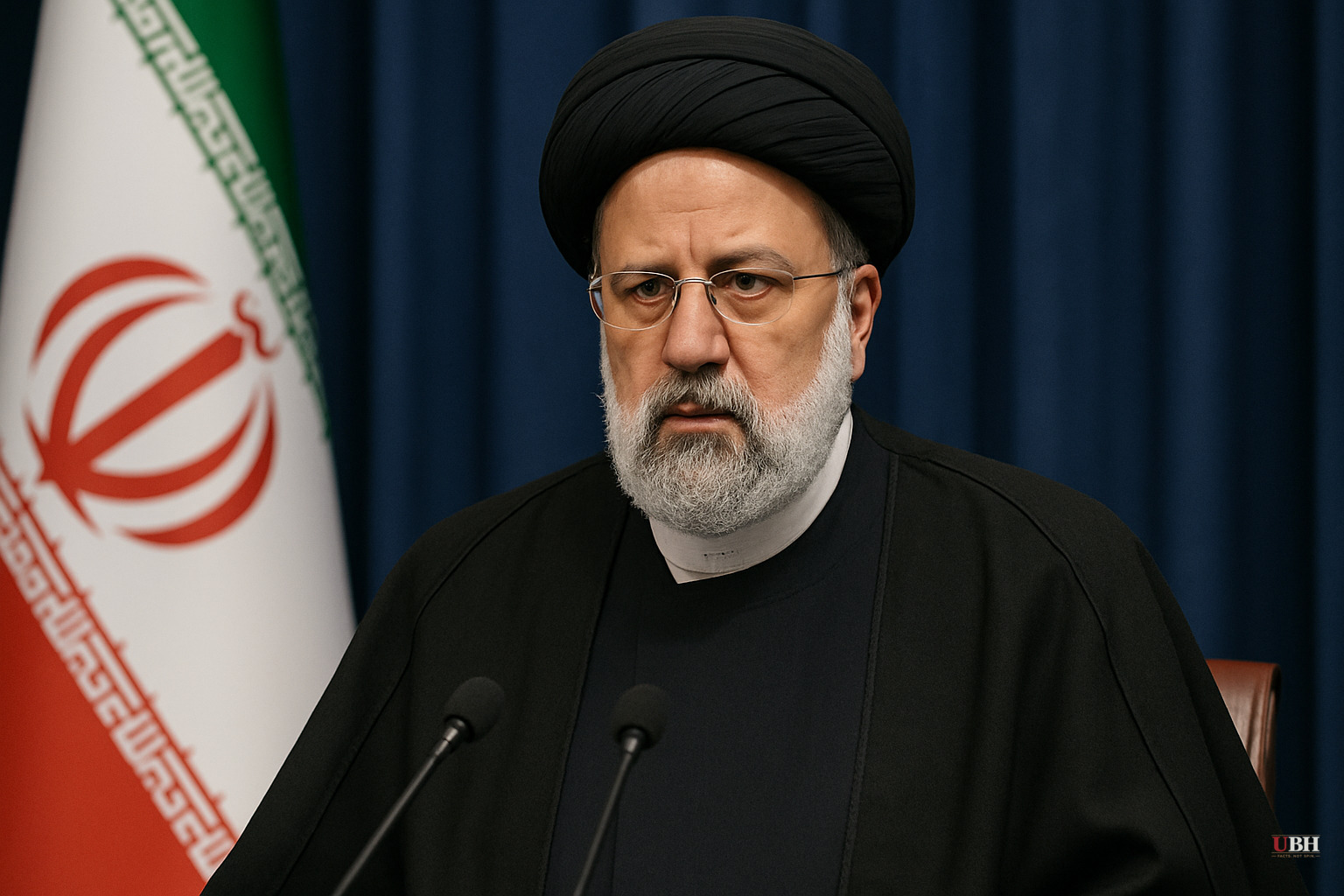
Since Russia's Odesa strikes and the reimposed US blockade earlier this week, the standoff over the Strait of Hormuz has entered its fifth day with no path back to the negotiating table.
Iran's Revolutionary Guard Corps issued a blunt warning Wednesday: the US should "expect other oil and gas export routes that serve the interests of the United States and its allies to be closed as well." A statement carried by Iranian state media put it plainly: "The region's oil and gas exports will either be available to everyone or to no one," according to NPR.
A broader threat than just Hormuz. Iran didn't name the Bab al-Mandab Strait directly, but NPR noted Tehran has floated closing that Red Sea chokepoint before, a passage that feeds the Suez Canal and links Europe, Asia and Africa. If Iran actually moves on multiple export routes at once, this stops being a regional oil story and becomes a global one.
The Numbers Behind the Rhetoric
Kpler, the maritime tracking firm cited by NPR, recorded 21 ships transiting Hormuz on Tuesday, mostly carrying crude, LPG, methanol and iron ore. That's traffic still moving, but barely, given that roughly 20% of the world's energy supply typically passes through that strait.
Kpler also confirmed the human cost is climbing: 56 confirmed incidents and 17 seafarer fatalities since the fighting reignited. Those are hard numbers from a firm whose business is tracking exactly this kind of disruption, not a political estimate from either government.
What the US Did Overnight
US Central Command said its forces launched a fresh wave of strikes Wednesday morning aimed at Iranian coastal defenses and cruise missile storage on Greater Tunb Island, following a seven-hour operation overnight, according to the BBC. Centcom said the goal was to "further degrade" Iran's ability to hit commercial shipping in the strait.
Adm. Brad Cooper, who runs Centcom, accused Iran of attacking seven commercial ships and launching missiles at Gulf countries, saying in a statement reported by NPR that "U.S. forces are holding Iran accountable for unwarranted aggression that continues to endanger innocent lives." Iran hit back at US bases in Kuwait, Bahrain and Jordan overnight, per NPR.
The renewed US blockade of Iranian ports, which the BBC reports was reimposed Tuesday evening, is the direct trigger for Iran's latest threat. That blockade had been lifted under a memorandum of understanding struck last month to wind down the broader conflict, which NPR dates back to Feb. 28 strikes by the US and Israel. The blockade coming back on is exactly the kind of contention that broke the ceasefire in the first place.
Trump's Next Move, and the Legal Question Nobody's Answering
President Trump told Bret Baier on Fox News's Special Report that he's saving "energy targets for last," but that bridges and power plants are next if Iran doesn't return to talks. "I'll save the energy targets for last, but ultimately we'll hit energy targets," Trump said, per the BBC.
Targeting civilian power infrastructure raises real legal exposure. UN human rights chief Volker Türk already called a similar April threat from Trump a potential war crime under international law, telling reporters that "deliberately attacking civilians and civilian infrastructure is a war crime," as the BBC noted. Whether striking dual-use power plants and bridges crosses that line depends on whether they're being used for military purposes, a distinction that international law takes seriously and that neither side has settled in public.
Trump has also walked back an earlier plan to impose a 20% toll on shipping through Hormuz, swapping it for a promise of "massive" trade and investment deals with Gulf states, per the BBC. That's a retreat from a specific policy, whatever the administration wants to call it.
The White House's Read: Iran Is Cracking
Stephen Miller, the White House deputy chief of staff for policy, told Fox News's Hannity that elements inside the Iranian government are "desperate" to cut a deal with Washington. Miller argued Iran "made one vital mistake" by assuming Trump would tolerate violations the way past presidents did, saying "you attack shipping in violation of that agreement, and you will pay a hellish price."
Miller framed internal Iranian discord as proof the pressure campaign is working, saying "for 47 years, there wasn't an inch of daylight" inside the regime, and now there's "this giant canyon-sized fissure." That's a claim from an administration official with an obvious stake in the outcome, not an independently verified assessment of Iranian politics. No outside intelligence assessment or defector testimony was cited to back it up.
What's Actually Unresolved
Nobody has said which specific routes Iran would target beyond Hormuz, and there's no confirmed move yet to close Bab al-Mandab. Whether Trump follows through on hitting Iranian power infrastructure next week, and whether that would draw the war-crimes scrutiny Türk warned about in April, remains the open question hanging over the next round of strikes.
Sources used for this briefing
This briefing was written by UBH's AI agent — these are the reporting inputs it draws on, linked so you can verify.


