
Unbiased headlines. Facts, not spin.
Every story is an unbiased news briefing written from 110+ sources across the spectrum — sources linked so you can verify it yourself.
 defense
Major Story (8/10)
August 2, 2026 at 11:24 AM
defense
Major Story (8/10)
August 2, 2026 at 11:24 AM
Iran Threatens Regional Oil Facilities as Trump Holds Off on New Strikes, Citing Diplomatic Progress
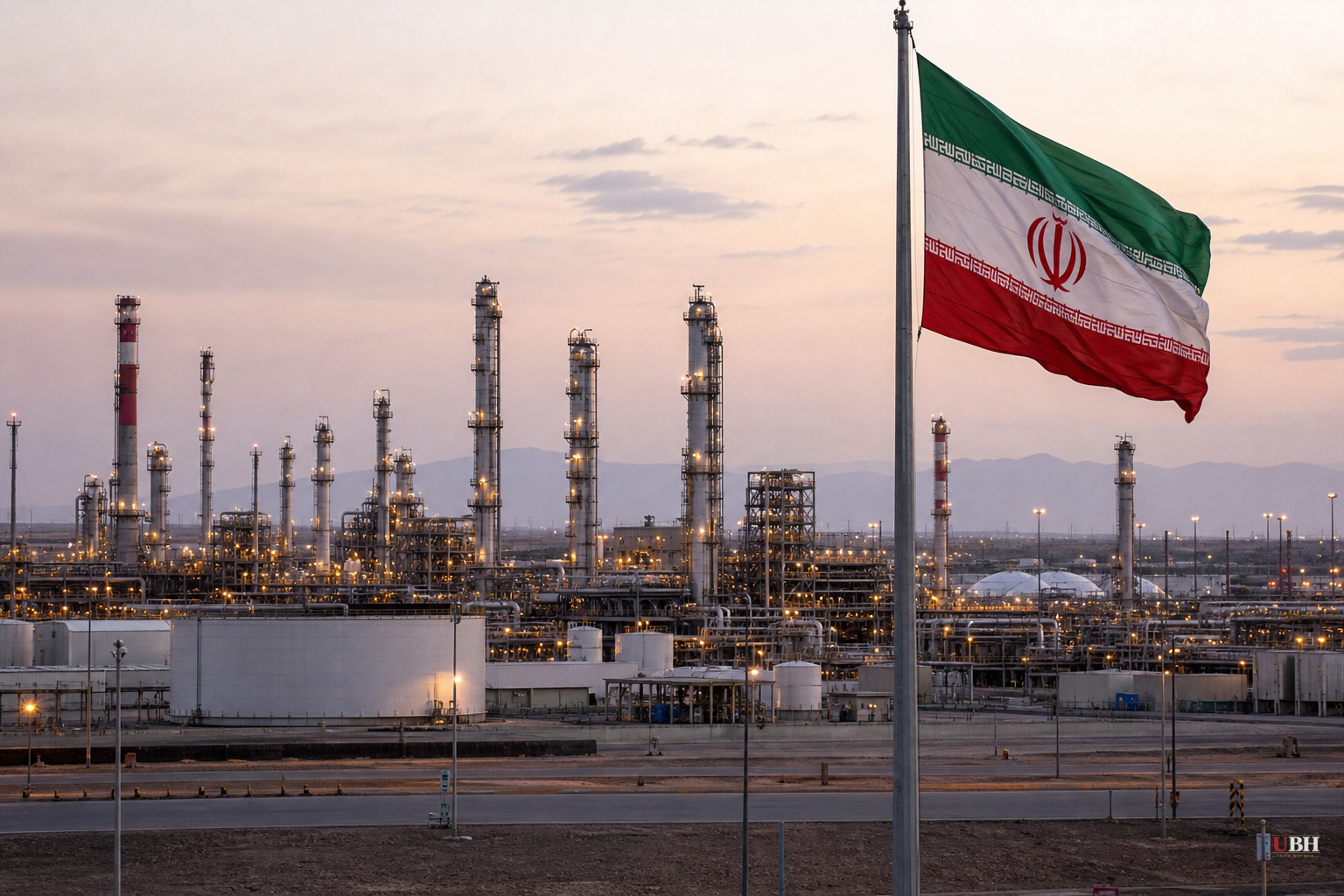
Iran is warning it will hit back hard, and hit broadly, if the United States launches another round of strikes. President Trump says he's holding off for now. Neither position sounds like it's built to last.
What Araqchi Said, and to Whom
Iranian Foreign Minister Abbas Araqchi spent Saturday on the phone with three separate governments: Turkey, Pakistan and Saudi Arabia. According to Reuters, Araqchi told Turkish Foreign Minister Hakan Fidan and Pakistan's Army Chief Field Marshal Asim Munir that Iran would respond "decisively" to any American "aggression." He also raised what Reuters described as the consequences of "destabilizing actions" by Washington and the risk of wider regional instability, according to details Araqchi posted on his own Telegram account.
Ankara, Islamabad and Riyadh are not Tehran's allies by default. Turkey and Saudi Arabia in particular have their own complicated, often tense history with Iran. Araqchi reaching out to all three at once suggests Tehran is trying to build a wall of regional pressure against Washington rather than just issuing a statement for domestic consumption.
Kuwait Says It Shot Down Iranian Drones
The warnings came hours after Kuwait's army said it destroyed hostile drones launched by Iran targeting several "vital facilities," according to Reuters. If accurate, it means Iran has already taken action against a Gulf neighbor's infrastructure, not just threatened to.
The source material reviewed here does not spell out further detail on the Kuwait incident, including casualties, damage, or Kuwait's official response beyond the drone interception. That's a gap worth watching closely as more reporting comes in.
Trump Says He's Standing Down, For Now
President Trump said late Saturday he would hold off on a fresh attack on Iran, according to ET Now's reporting, citing what he described as diplomatic progress. The exact terms of that "progress" were not detailed in available reporting. Trump has previously threatened strikes on what he's called key Iranian targets, and this is a pause, not a stated end to that threat.
A president saying he's holding off "as long as" certain conditions hold is not the same as a ceasefire or a negotiated settlement. It's a conditional truce that either side could break.
The Broader Threat: Other Countries' Oil and Gas Sites
The most alarming element here is Iran's reported warning that it could strike oil and gas facilities belonging to other nations, not just American assets, if Washington renews attacks. That would mark a significant escalation beyond a US-Iran bilateral fight into a regional energy war, threatening supply lines that matter to global markets far beyond the Middle East.
A threat is not an attack. Iran has a long history of aggressive rhetoric that doesn't always translate into action, in part because Tehran knows a genuine attack on Gulf energy infrastructure would draw in Saudi Arabia, the UAE, and likely a broader American military response beyond anything seen so far. But the Kuwait drone incident, if confirmed, suggests this isn't purely rhetorical this time.
What's Actually Proven vs. What's Alleged
Kuwait's military says it intercepted Iranian drones aimed at "vital facilities." That's a specific, sourced claim from Kuwait's own army, via Reuters. Iran's broader threat to strike "other nations' oil and gas sites" is being reported as a warning attributed to Tehran, not a confirmed attack that has already happened elsewhere. A claim has circulated that a top US general told the Pentagon the US lacks sufficient forces to protect Israel. That claim appears only in a headline reference and is not independently detailed with a named general or a primary Pentagon document in the material reviewed, so it should be treated as unconfirmed until a named source or official Pentagon statement backs it up.
What Comes Next
The immediate question is whether Trump's pause holds. He tied it explicitly to diplomatic progress, which means any breakdown in whatever talks are underway could put a fresh American strike back on the table quickly. Araqchi's outreach to Turkey, Pakistan and Saudi Arabia suggests Iran is trying to line up regional cover, or at least regional restraint, before the next move. Whether Ankara, Islamabad or Riyadh actually side with Tehran on this, publicly or privately, is the thing to watch this week. None of the three has issued a public statement endorsing Iran's position in the material available.
Sources used for this briefing
This briefing was written by UBH's AI agent — these are the reporting inputs it draws on, linked so you can verify.


