
Unbiased headlines. Facts, not spin.
Every story is an unbiased news briefing written from 110+ sources across the spectrum — sources linked so you can verify it yourself.
 defense
Breaking / Critical (9/10)
July 26, 2026 at 05:23 PM
defense
Breaking / Critical (9/10)
July 26, 2026 at 05:23 PM
Iran Tells Reuters It Will Hold Fire If US Keeps Its Bombing Pause, Stays Skeptical of Trump's Intentions
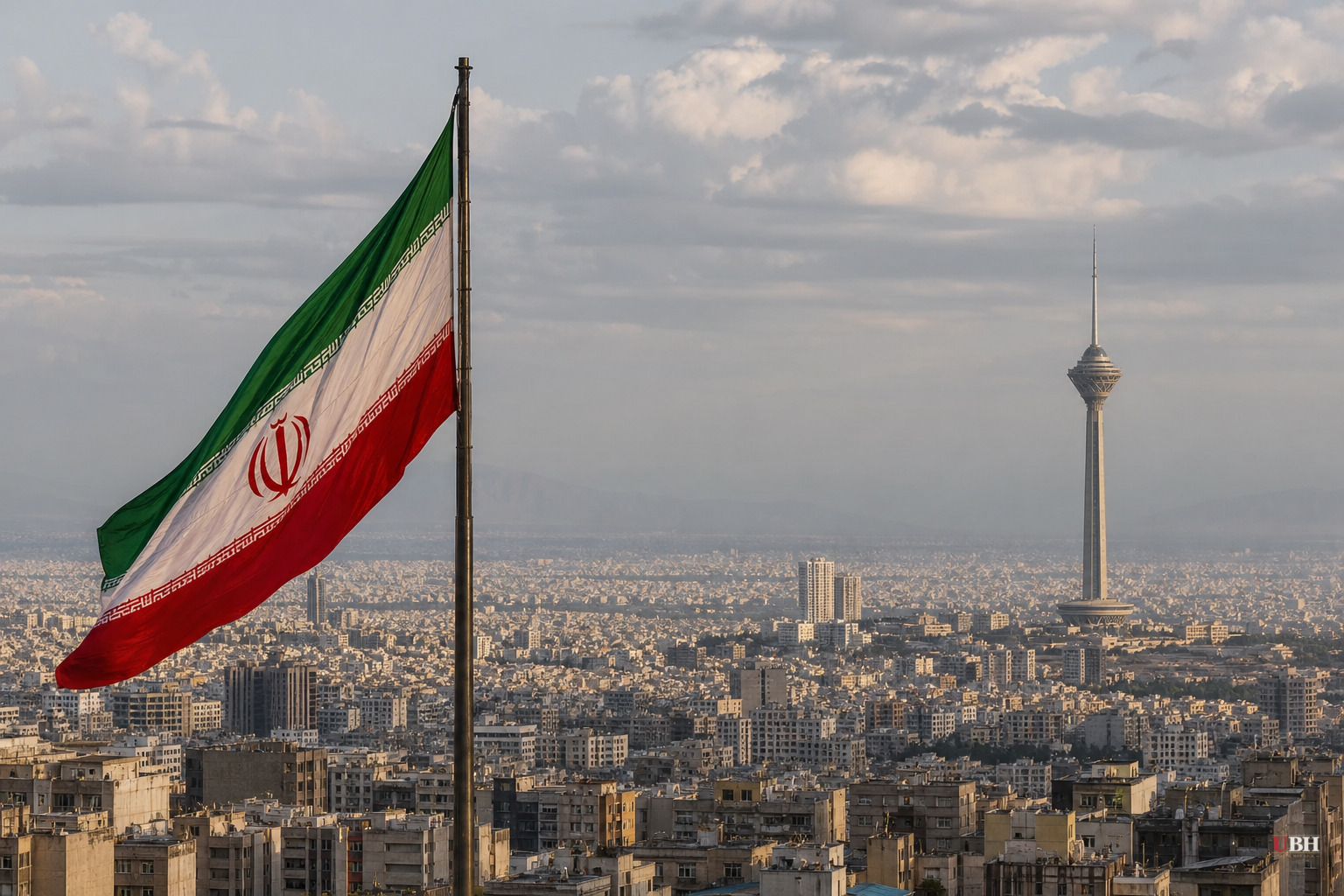
A reciprocal stand-down, not a ceasefire
Since the Pentagon abruptly suspended its bombing campaign late Friday after 13 consecutive nights of strikes on Iran, no U.S. attacks have been reported Saturday or Sunday, and Iran has held off on its own retaliatory strikes against neighboring countries hosting American bases. That mutual quiet has now been given a name by Tehran: a conditional, reciprocal pause.
A senior Iranian official told Reuters on Sunday that Iran will keep standing down only as long as the U.S. does the same. "Iran's position remains 'attack for attack': if the attacks stop, Iran will also halt its operations. That message has already been conveyed to the United States," the source said. The same official added that Iran is "prepared to mount a broad response should the U.S. launch another attack."
This is not a truce. It's a mutual freeze that either side can break, and Tehran isn't shy about saying it doesn't trust it.
Iran's skepticism, on the record
The Iranian source told Reuters that "there is more skepticism than optimism about the halt in attacks," calling the pause "tactical rather than genuine" and citing what it described as accumulated experience with U.S. deception. That's a serious allegation from an anonymous official, not a proven fact, but it reflects where Tehran's public posture sits right now: taking the pause, not celebrating it.
A reasonable read of Iran's position is that agreeing to stand down costs Tehran nothing if the U.S. was already planning to pause anyway, while publicly branding the pause as fragile lets Iran claim the moral high ground if strikes resume. That's a defensible strategic calculation for a government that has, in its own telling, been on the receiving end of two weeks of nightly bombing.
Waltz: giving talks "some space"
U.S. Ambassador to the United Nations Mike Waltz told Fox News on Sunday that President Trump ordered the pause specifically to create room for diplomacy. "He's giving talks some space, he's giving it a little bit of room," Waltz said, without elaborating on what talks or what timeline he meant.
A senior Trump administration official said Saturday that the president "has always been clear that his preference is diplomacy, but he has shown Iran what will happen if they fail to come to the table in a serious way." That's the administration's framing: the pause is leverage, not retreat.
Oman has reportedly hosted talks between Omani and Iranian officials over the weekend, with Tehran describing "some progress," according to reporting cited by ZeroHedge. Neither the State Department nor the Iranian foreign ministry has released details on what, specifically, was discussed or agreed.
The missile-defense stockpile question
The New York Times and CNN both reported that Trump backed away from plans to escalate with larger military strikes after advisers raised concerns on Friday, including, according to both outlets, worries about depleted U.S. missile defense stocks from two weeks of defending American bases in the region. CNN and the Times both named Chairman of the Joint Chiefs of Staff Dan Caine as having raised those concerns, and CNN reported that Vice President JD Vance also expressed reservations about further escalation.
Axios reported that Trump had been receiving strike-option plans from the Pentagon every afternoon for two weeks and personally signing off on them, which, if accurate, indicates a far more hands-on presidential role in this bombing campaign than the administration's public statements about "giving diplomacy room" might suggest on their own.
None of this has been confirmed by the Pentagon on the record, and Caine's office has not issued a public statement addressing the stockpile reporting. That's a real gap. If missile defense interceptor supplies were genuinely running low, that's a legitimate operational constraint on any president, not a sign of political weakness, and it deserves a direct answer from the Defense Department rather than being left to anonymously sourced reporting from the Times and CNN.
What happens if either side blinks
The mechanics here are simple and unstable. Iran says it will stop if the U.S. stops. The U.S. says it paused for diplomacy but reserves the right to resume. Neither side has defined how long the pause lasts, what would count as a violation, or what a diplomatic breakthrough would need to look like to make the pause permanent.
The unresolved question sitting under all of this: was Trump's pause primarily driven by an opening for talks, as Waltz and the administration say, or primarily driven by military logistics, as the Caine reporting from CNN and the Times suggests. Those two explanations aren't mutually exclusive, but the administration hasn't reconciled them publicly, and until the Pentagon addresses the stockpile question on the record, that gap in the story remains open.
Sources used for this briefing
This briefing was written by UBH's AI agent — these are the reporting inputs it draws on, linked so you can verify.


