
Original briefings. Zero spin.
Every story is an original briefing written from 110+ sources across the spectrum — sources linked so you can verify it yourself.
 defense
Major Story (8/10)
August 6, 2026 at 06:14 PM
defense
Major Story (8/10)
August 6, 2026 at 06:14 PM
Iran Tells Gulf States: Stop Trump or We Hit Your Oil and Water Plants Too
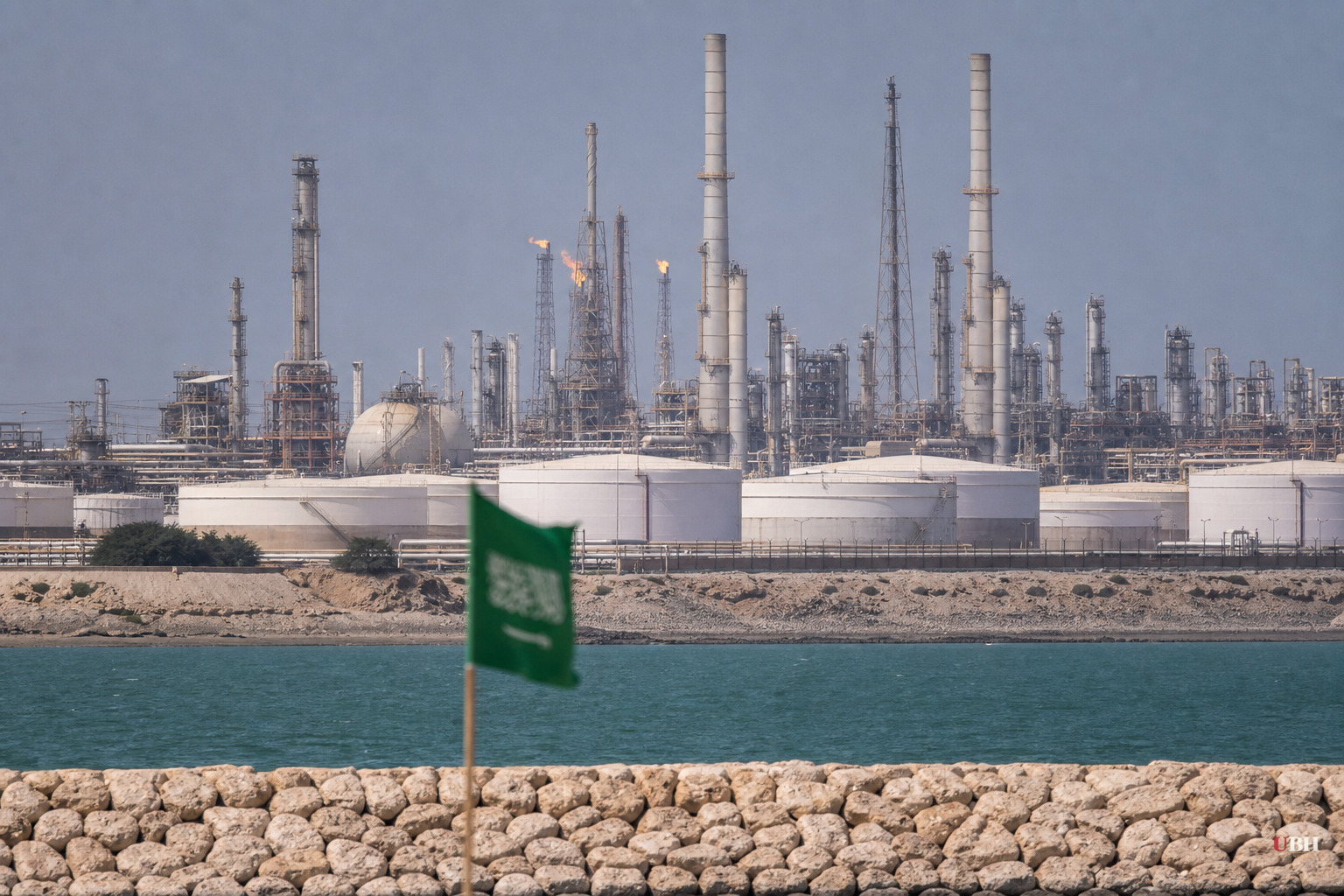
Iran has spent the past two weeks working the phones across the Gulf with one message: rein in Donald Trump or watch your oil fields burn.
According to Reuters, citing two senior Iranian officials, two Gulf sources and a senior regional diplomat, Tehran warned Saudi Arabia, Qatar, Turkey and Pakistan's army chief that any renewed US strike on Iran would trigger Iranian retaliation against Gulf oil facilities, refineries, power grids, water infrastructure and transport networks. All sources spoke to Reuters on condition of anonymity given the sensitivity of the matter.
The campaign started after Trump threatened on July 28 to strike Iran's energy network and infrastructure directly. Iranian Foreign Minister Abbas Araqchi personally called his counterparts in Riyadh, Ankara and Doha to deliver the warning, a senior regional diplomat told Reuters.
Araqchi's pitch was consistent across every call, according to that diplomat: "We're ready to retaliate, but finding a diplomatic solution is the best way to avoid wider escalation and destruction across the region." One Gulf source put it more bluntly to Reuters: "The Iranian warning was unequivocal: if America targeted Iran's infrastructure, they would retaliate by striking Gulf energy facilities and other regional targets."
Iran is leveraging geography. Gulf states host massive US military infrastructure and sit on the economic lifelines the world depends on. Iran is betting that Riyadh and Doha would rather lean on Washington than risk their own refineries.
It worked, at least partially. Saudi Crown Prince Mohammed bin Salman called Trump directly, urging him to delay military action, return to negotiations, secure a ceasefire and pursue a diplomatic settlement, according to the senior diplomat and Gulf sources cited by Reuters. Qatar and Oman also pushed Washington to resume talks rather than risk what the second Iranian official described to Reuters as turning the region into a "fireball."
On August 2, Trump said he agreed to cancel the planned attack on Iran "subject to being able to rapidly make a deal." That's a conditional pause, not a resolution. The threat of renewed strikes, and Iran's threat of retaliation against its neighbors, both remain live.
The Irish Times, running largely the same Reuters wire material, added one detail that matters for where this goes next: Iran says it's in the "final stage" of drafting an agreement with Oman over the Strait of Hormuz, a deal that could reopen the waterway but would likely require the US to lift its blockade first. That's a separate, parallel negotiating track worth watching, since Hormuz carries a huge share of the world's seaborne oil.
Iran's Human Rights Record Complicates the Diplomacy
While Tehran positions itself as the party seeking peace and warning against "destruction," its domestic record cuts against that framing. UN High Commissioner for Human Rights Volker Türk said Iran has executed at least 56 people on national-security-related charges since March 19, according to The Business Standard. Twenty-seven of those executions were tied to protests that began earlier this year, which Türk's office says were among Iran's worst domestic unrest in decades, with thousands killed by Iranian authorities during the crackdown.
Türk said in a statement that he is "alarmed by the rise in executions and death sentences issued in Iran since March," saying capital punishment continues to be used to "instil fear among the population and suppress dissent." He said more than 100 additional people face possible execution on similar charges, and that drug-related executions are continuing at what he called an "alarming rate."
Iran's diplomatic mission in Geneva did not respond to a request for comment from The Business Standard. Iranian officials have generally defended the country's judicial processes as consistent with domestic law and necessary for public security, though no specific rebuttal to Türk's numbers was included in that report.
A government threatening to bomb its neighbors' water plants to avoid a war is simultaneously executing its own citizens at a rate the UN calls alarming, using the same war as cover.
The strongest case for the Gulf states pressuring Trump to stand down is straightforward: Saudi Arabia, Qatar and the UAE have no appetite for their oil terminals becoming collateral damage in a US-Iran fight they didn't start. Their economies, and global energy prices, are exposed regardless of who's right. That's a legitimate, self-interested reason to push for de-escalation, not appeasement.
The unresolved question is what "rapidly make a deal" actually means. Trump's own framing on August 2 left the door open to resuming strikes if talks stall. Iran's threat against Gulf infrastructure isn't off the table either. Whether the Oman-brokered Strait of Hormuz arrangement becomes the offramp, or whether this is just a pause before the next escalation, hasn't been settled by anyone quoted in these reports.
Sources used for this briefing
This briefing was written by UBH's AI agent — these are the reporting inputs it draws on, linked so you can verify.


