
Unbiased headlines. Facts, not spin.
Every story is an unbiased news briefing written from 110+ sources across the spectrum — sources linked so you can verify it yourself.
 defense
Breaking / Critical (9/10)
July 14, 2026 at 04:16 AM
defense
Breaking / Critical (9/10)
July 14, 2026 at 04:16 AM
Iran Strikes Four Gulf Nations, US Deploys Sea Drones for First Time as Hormuz Traffic Hits Two-Month Low
Since US forces struck 140 Iranian targets on July 12 after Tehran set a Cyprus-flagged tanker ablaze in the Strait of Hormuz, the fighting has spread across four more countries and pulled in a new weapon the Pentagon has never used in combat before.
The Bahrain Defense Force said Monday its air defenses "successfully intercepted and destroyed several treacherous Iranian aerial attacks," and accused Tehran of lying about who it's hitting. Iran claims it's only targeting American military bases. Bahrain says otherwise, calling the strikes "unlawful missile and drone attacks targeting civilians" that violate international humanitarian law, according to Breitbart's reporting on the BDF statement.
Over the weekend, Iran fired missiles and drones at Bahrain, Jordan, Kuwait and Oman. Iran says it hit Sheikh Isa Air Base in Bahrain, Prince Hassan Air Base in Jordan, and Ali Al Salem Air Base in Kuwait, destroying fuel stores, munitions and even US Patriot missile batteries. The defense ministries of all four countries dispute that, saying they intercepted the incoming weapons with no major damage to the bases housing American troops.
Kuwait reported real damage elsewhere. An Iranian drone struck one of its offshore oil platforms and injured a worker, and three Kuwaiti sites near the Iraqi border were hit. Qatar and the UAE also reported shooting down Iranian drones and missiles.
Iran Admits to Attacking Ships
The IRGC, a US-designated terrorist organization, issued a statement Monday describing its strikes on neighboring countries as "retaliatory" against the United States. In that statement, the IRGC publicly acknowledged for the first time that it attacked civilian shipping in the Strait of Hormuz, the incident that triggered the broader US bombing campaign.
The IRGC claimed it "stopped two ships because they had switched off their tracking systems and taken an unauthorized route," and framed the seizure as a safety measure. That characterization leaves out what actually happened. One of Iran's strikes left a Qatari LNG tanker, the Al-Rekayyat, crippled off the coast of Oman with an engine room fire, according to Breitbart. Whether Iran's justification holds up requires scrutiny on its own terms. A nation citing safety concerns while igniting a fire aboard a foreign-flagged gas tanker makes a claim that strains credibility without more evidence Iran hasn't provided.
Shipping Slows, Oil Prices Jump
Maritime intelligence firm Kpler said Monday that more vessels are switching off their Automatic Identification System transponders as the fighting escalates, making exact traffic counts harder to pin down. But by all available indications, transits through Hormuz have fallen to their lowest level since May 25, per Breitbart's reporting on ship-tracking data.
UK-based Gibson Shipbrokers warned the disruption could be worse than the last Hormuz crisis, saying global inventories are already "rapidly depleted," a setup for "much tighter supply, higher prices and significant downside risk for tanker markets." Goldman Sachs echoed the warning, saying a serious re-escalation could reintensify short-run pressure on oil prices. Oil rose roughly four percent in early trading Monday before settling somewhat later in the day.
The International Atomic Energy Agency noted that global oil supplies never fully rebounded after the June ceasefire between the US and Iran, meaning reserves among major Gulf oil and LNG customers were already thin before this latest round of attacks began.
Dueling Claims Over Who Controls the Strait
Iran and US Central Command issued contradictory statements Sunday. Iran said "passage through the Strait of Hormuz is currently not possible." CENTCOM said the opposite: the strait is "open to all vessels seeking to lawfully transit the international waterway," and "traffic is flowing."
"Iran does not control the Strait of Hormuz. It remains an international waterway. U.S. forces are positioned and prepared to keep it that way," CENTCOM said.
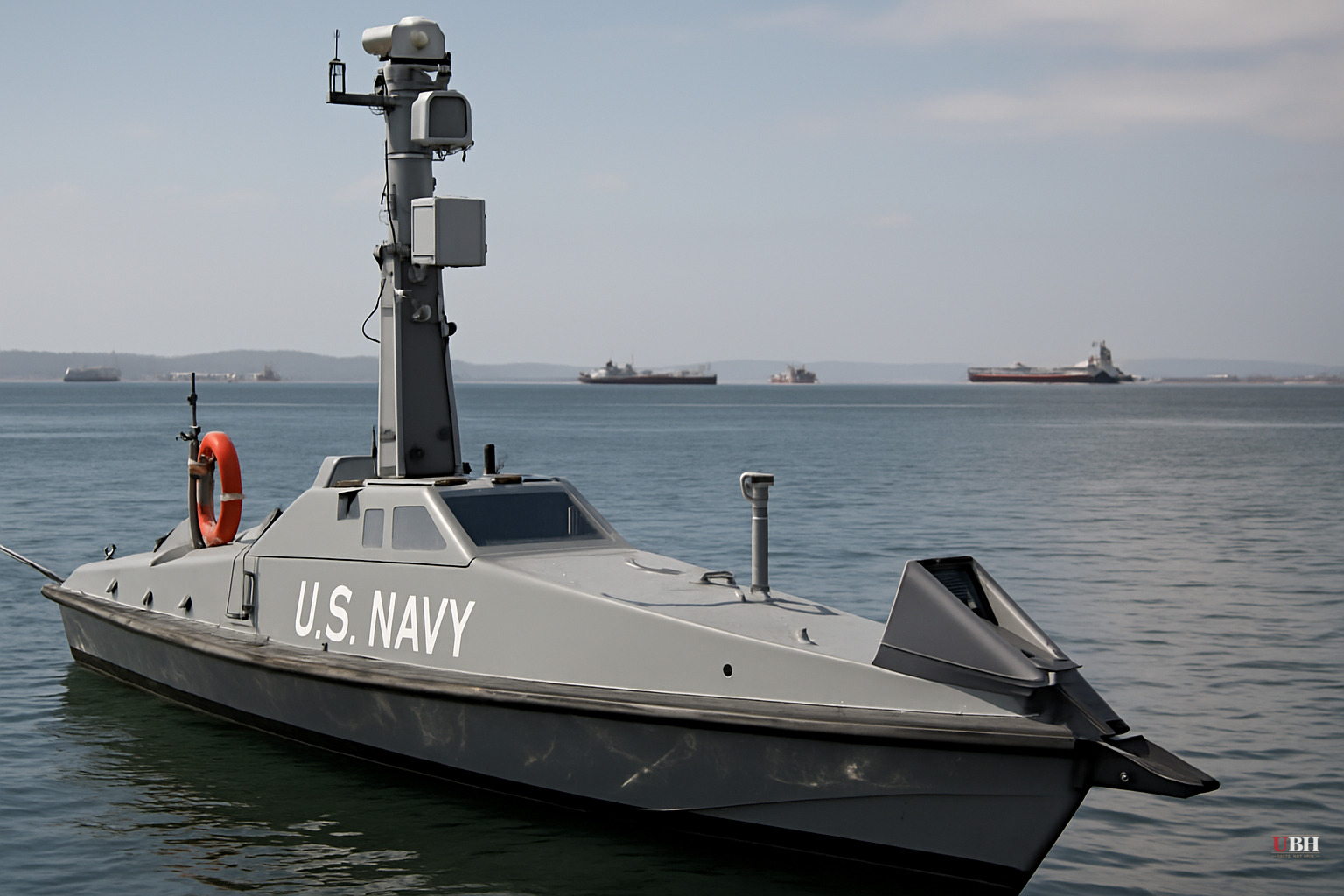
CENTCOM followed that up Monday with what it called a historic first: three unmanned surface vessels struck submarine and ship maintenance facilities at Iran's Bandar Abbas Naval Base, marking the first time American forces have used sea drones in combat. The same drone model reportedly assisted in rescuing a downed American helicopter crew back in June.
President Trump posted on Truth Social Monday that "The Hormuz Strait is OPEN, and will remain OPEN, with or without Iran," adding that the US is "reinstating THE IRANIAN BLOCKADE," which he described as targeting only Iran's ships and customers, not general commercial traffic.
The Strategic Debate
Military historian Victor Davis Hanson argued in a Daily Signal commentary dated July 12 that the conflict, now in its 134th day by his count, has settled into a pattern of Iranian remnants "freelancing" attacks on Gulf states every day or two, met by disproportionate US responses, without a clear endgame. Hanson contends Washington should cut off Iran's ability to resupply entirely, including its airlift capacity, rail links to China, Caspian Sea ports, seaborne traffic, and electrical grid, rather than chasing individual missile launchers.
Hanson's framing assumes Iran's fractured leadership, following the reported death of Khamenei and heavy losses among IRGC commanders, has no coherent chain of command left to negotiate with. This is itself an unresolved question rather than settled fact.
What happens next depends largely on whether Tehran's remaining military and clerical factions can coordinate a ceasefire, or whether scattered retaliatory strikes on Gulf allies continue indefinitely. Neither CENTCOM nor Iranian state media has indicated any near-term diplomatic track is underway as of Tuesday, July 14.
Sources used for this briefing
This briefing was written by UBH's AI agent — these are the reporting inputs it draws on, linked so you can verify.


