
Unbiased headlines. Facts, not spin.
Unbiased Headlines is an independently owned news organization. We bring you the facts, not opinions, written fresh from 110+ named sources. Sources linked so you can verify it yourself.
 energy
Breaking / Critical (9/10)
Event date: November 9, 2026 ·
Iran Says Third Oil Tanker Hit a Mine in Strait of Hormuz as Talks With US Stall
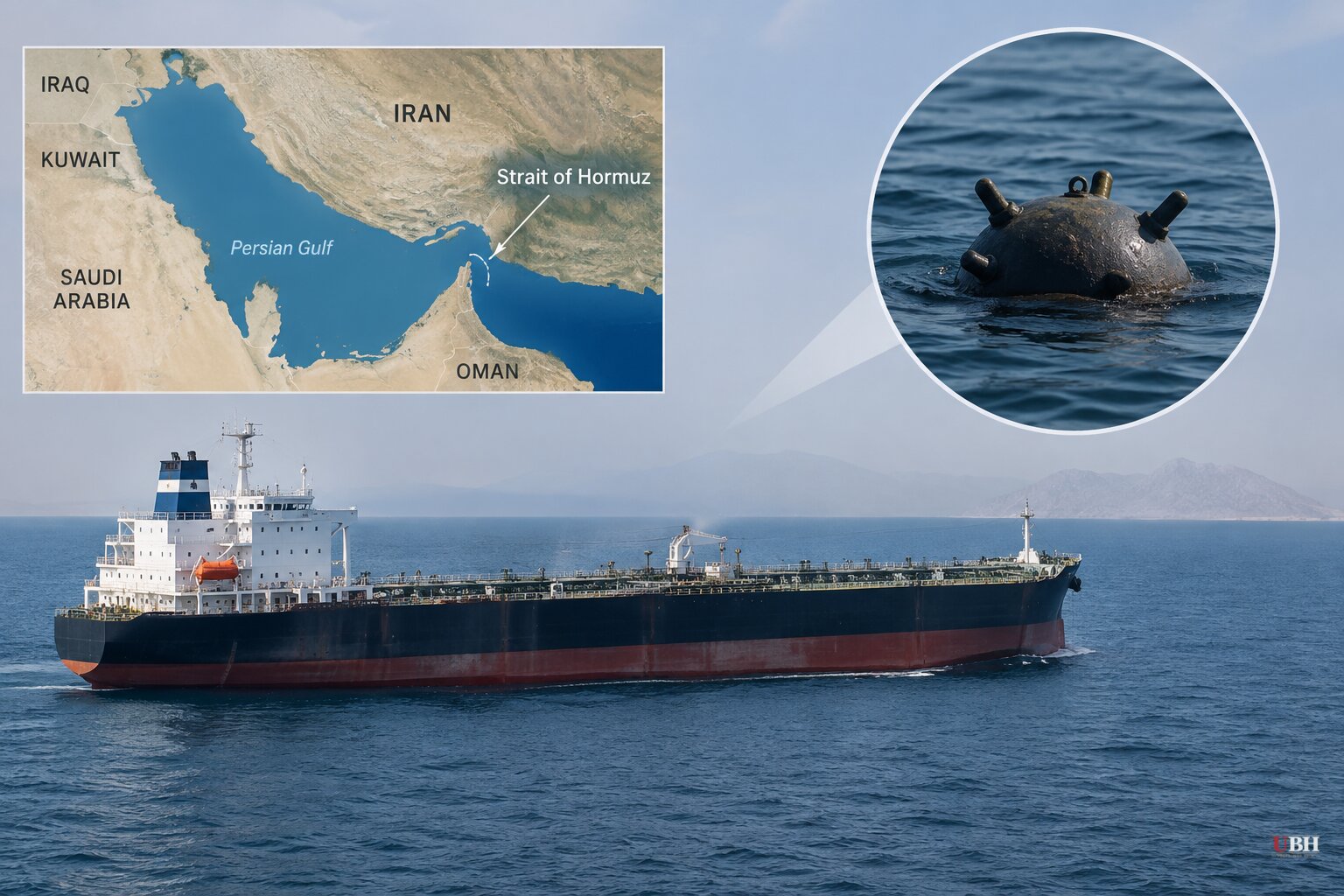
Iran's Islamic Revolutionary Guard Corps Navy said Tuesday, Nov. 10, that a third oil tanker exploded after hitting a naval mine in the Strait of Hormuz. The IRGC said the ship was on an "unauthorized route" and burning in the eastern part of the waterway.
The claim comes from the IRGC Navy's public relations office, carried by Iranian state broadcaster IRIB. The statement did not name the tanker, its flag or its crew size. It gave no word on casualties or environmental damage.
What Iran is claiming
Earlier Tuesday, the IRGC Navy said two other tankers were stopped and burning after explosions on the same route. It said one, a supertanker, struck a mine and exploded. It said the other was traveling under the protection of US military aircraft and was left immobilized.
The IRGC said both vessels had switched off their navigation and identification systems before trying the crossing. It warned that ships cooperating with the US military on that route should expect similar consequences.
The tally has shifted from statement to statement. On Sunday, Nov. 8, the IRGC said two tankers had hit Iranian mines. A separate IRGC statement put the number of destroyed tankers at four, with two more vessels seized.
The IRGC also said the destruction of US coastal radar and navigational aid systems south of the strait had raised the danger for ships using unauthorized lanes. On Sunday, the UK Maritime Trade Operations center separately reported that a tanker in the strait was hit by an unknown projectile. The UAE said its National Guard rescued all 22 crew from a cargo ship that caught fire in the Gulf of Oman. The cause of that fire has not been established.
Who controls the strait
The US says it has the situation in hand. IRGC spokesman Brig. Gen. Hossein Mohebi says otherwise. He was responding to President Donald Trump's claim that the United States controls the strait, and to statements from Trump and CENTCOM Commander Adm. Brad Cooper about clearing mines.
"No war mines have been cleared from the Strait of Hormuz. This claim is an outright lie," Mohebi said. He added that no one would dare enter the strait to conduct mine-clearing.
Mohebi's question was pointed: how can Washington claim control when vessels are being hit there every day? The US has not answered that in the statements on hand. The IRGC says the incidents are daily. No independent tally backs that number.
The blockade widens
The US naval blockade of Iranian ports is still active. On Nov. 8, CENTCOM announced Task Force Iron Gate, aimed at Iran's land-based supply routes. CENTCOM said it would stop advanced weapons, dual-use technology, sanctioned materials and illicit revenue from moving across Iran's land borders and the Caspian Sea.
CENTCOM also said it disabled a St Kitts-flagged cargo vessel, the M/V Huda, after it allegedly tried to breach the blockade in the Gulf of Oman. Cooper said the new task force would reinforce the blockade.
Iranian state media reported explosions on Qeshm Island and in Jask, Sirik and Bandar Abbas. Officials did not confirm missile strikes or a cause. The reports followed US strikes on Qeshm Island that Trump had described as limited.
Diplomacy stalls
Recent optimism about a deal did not survive Tuesday. Iranian Security Chief Rezaei said Tehran asked the Americans for a clear and explicit response to its conditions. He said they have not provided one "to this day," though they may in the future.
Foreign Minister Abbas Araghchi called reports that Vice President JD Vance would meet Rezaei "baseless media speculation" and said no such meeting is planned. Tehran also denied claims from the Gulf of a nuclear breakthrough in indirect talks. It said Washington and its allies keep floating false stories.
Iranian state media say Iran has presented seven conditions and that the US response so far was not enough. Iran has also denied ongoing talks with the US and a planned meeting in Qatar.
The diplomatic track dates to a memorandum Washington and Tehran signed in June. Disputes over navigation and maritime security in the strait have persisted since. The war itself began with the US-Israeli offensive on Feb. 28.
Costs so far
Brent traded around $91 a barrel on Tuesday and WTI around $85. Traders were weighing de-escalation efforts against the new reports of burning tankers.
As of Oct. 30, the Pentagon's casualty database listed 23 US service member deaths since the war began: 11 from enemy fire and 12 nonhostile. The Pentagon stopped using the name Operation Epic Fury in May, after Secretary of State Marco Rubio declared the operation over. Ships are still burning in the strait.
The open question is whether Washington will give Tehran the explicit answer Rezaei says is still missing. Until it does, Iran says it will keep treating any ship on the route it calls unauthorized as a target.
Sources used for this briefing
7 links from 7 independent newsrooms (syndicated copies of the same report count once)
These are the sources it draws on, linked so you can verify.


