
Original briefings. Zero spin.
Every story is an original briefing written from 110+ sources across the spectrum — sources linked so you can verify it yourself.
 defense
Major Story (8/10)
Event date: September 10, 2026
defense
Major Story (8/10)
Event date: September 10, 2026
Iran Says It's No Longer Bound by Nuclear Treaty Days After UN Security Council Referral
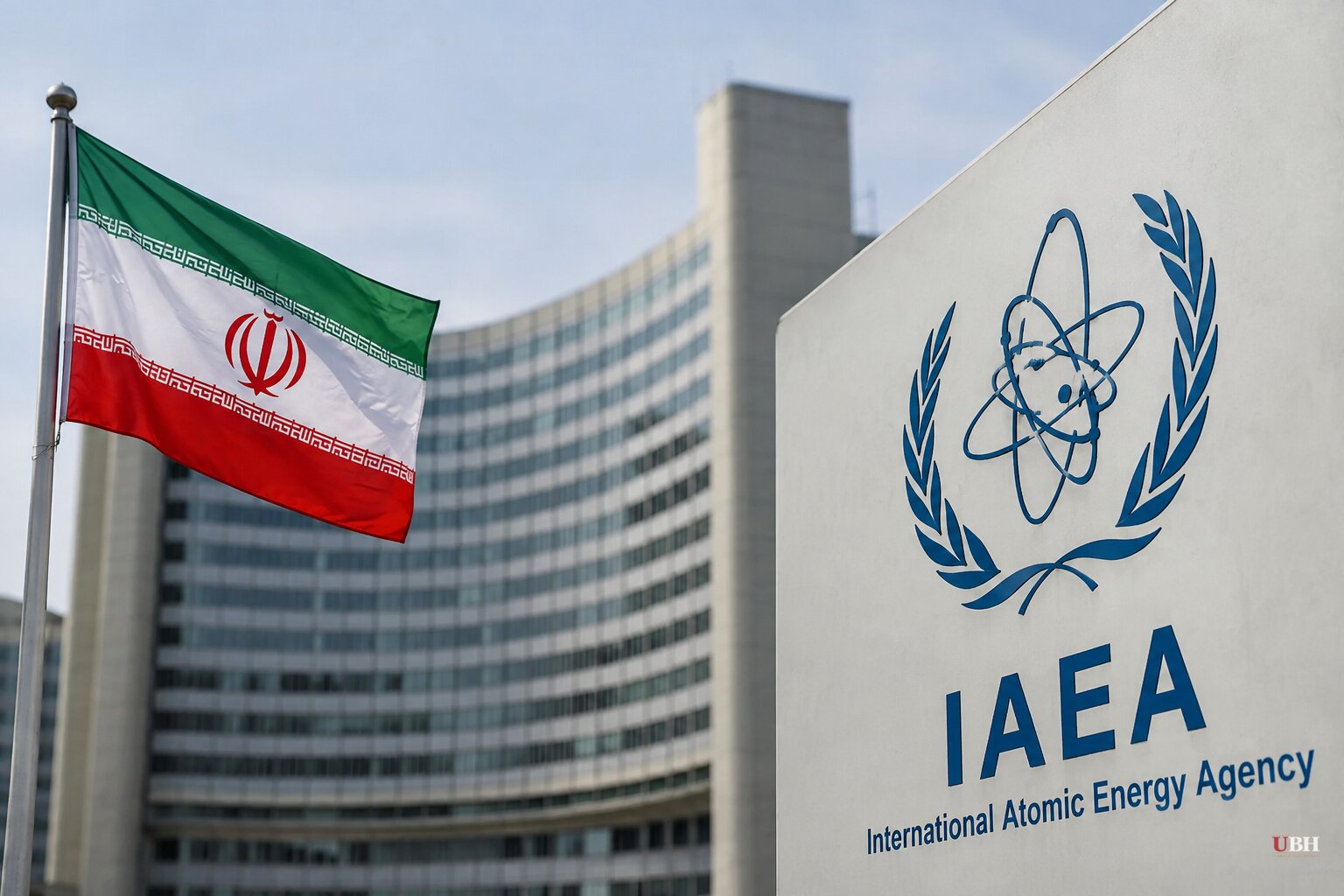
Since the International Atomic Energy Agency referred Iran to the UN Security Council on September 9, the first such move in 20 years, Tehran has answered with escalation on two fronts: a parliamentary committee member declaring Iran no longer bound by the Nuclear Non-Proliferation Treaty, and officials vowing to hit back hard against fresh U.S. Treasury sanctions.
The IAEA board voted 23-3-8 in Vienna to send Iran's case to the Security Council, according to the Epoch Times. The resolution cites "grave concern" that inspectors still cannot verify the status of Iran's enriched uranium stockpile or gain access to its nuclear sites, more than a year after the U.S. and Israel bombed three Iranian nuclear facilities in the June 2025 operation dubbed Midnight Hammer.
IAEA Director General Rafael Grossi has said his inspectors have been shut out since those strikes buried material President Donald Trump has repeatedly called "nuclear dust" deep underground. Whether that material is still recoverable, or usable, remains the central unanswered question driving the standoff.
Iran's Defense, and Russia and China's Objection
Iran's ambassador to the IAEA, Reza Najafi, rejected the referral as political theater. "Accusing Iran of non-cooperation while disregarding the fact that the current situation has been created by the aggressions of the U.S.-Israeli regime is a perfect example of presenting a half-truth," Najafi said, according to the Epoch Times. He argued Tehran has not suspended its safeguards obligations, but is "simply unable to perform them" given the wreckage of its own nuclear infrastructure.
That is a fair point on its face. It is hard to open a facility to inspectors when the facility was flattened by bunker-busting bombs more than a year earlier. But the IAEA's underlying complaint isn't limited to bomb damage. It's that Tehran won't say where its pre-strike uranium stockpile ended up, damaged site or not.
Russia and China, both veto-holding Security Council members, joined Iran in opposing the referral, calling instead for the dispute to be resolved diplomatically. That objection matters practically. Any Security Council sanctions push against Iran can be blocked outright by either Moscow or Beijing, which makes the referral more symbolic than immediately punishing, even as it opens the door to future measures.
A Lawmaker Says Iran Is Done With the NPT
On September 12, Mohammadreza Mohseni-Sani, a member of Iran's parliamentary National Security and Foreign Policy Committee, posted on social media that Iran no longer considers itself bound by the Non-Proliferation Treaty, according to Crypto Briefing. Mohseni-Sani is one lawmaker on one committee, not Iran's Supreme Leader or its president. No formal government withdrawal from the NPT has been announced. But a sitting member of parliament's national security committee saying this publicly, three days after the UN referral, lines up with Tehran's broader pattern of treating international nuclear oversight as leverage rather than obligation.
Sanctions That Underwhelmed, and a Threat of an "Earthquake"
Treasury Secretary Scott Bessent announced what CNN called Trump's economic "D-Day" against Iran, unveiling secondary sanctions aimed at the network Iran has built to dodge existing sanctions in digital assets, shipping and technology. But CNN reported the rollout left observers underwhelmed. Washington held back its heaviest new measures, instead expanding enforcement of penalties already on the books and warning that tougher action could follow for any country still doing business with Tehran.
Iran's Foreign Ministry spokesman Esmail Baghaei responded by framing Tehran's posture as strategic patience mixed with pressure. "We've been playing chess for a long time... we've also learned to play poker," Baghaei told reporters, according to CNN. Iranian officials cited by CNN warned they would retaliate "like an earthquake" if Washington pushed further, and Iran's military leadership has floated striking energy targets beyond the Strait of Hormuz, including newer oil shipment routes built to bypass that chokepoint. Iran's Houthi allies in Yemen have already opened a parallel front, targeting Saudi oil exports and infrastructure in the Red Sea.
No new UN sanctions have actually been imposed as a result of the September 9 referral, and none appear imminent given Russia and China's veto leverage. What happens next hinges on whether Grossi's inspectors get any access to Iranian sites in the coming weeks, and whether Tehran's parliamentary rhetoric about leaving the NPT turns into an actual government declaration rather than one lawmaker's social media post.
Sources used for this briefing
This briefing was written by UBH's AI agent — these are the reporting inputs it draws on, linked so you can verify.


