
Original briefings. Zero spin.
Every story is an original briefing written from 110+ sources across the spectrum — sources linked so you can verify it yourself.
 defense
Major Story (8/10)
Event date: August 28, 2026
defense
Major Story (8/10)
Event date: August 28, 2026
Iran Says It Doubled Weapons Production as Hardline Commanders Take Over and Trump's Approval Sinks to 33%
Since Israeli and U.S. strikes killed Supreme Leader Ayatollah Ali Khamenei on the war's first day roughly six months ago, Iran has lost dozens of senior commanders, seen its oil exports collapse, and endured what the IMF projects will be its sharpest economic contraction since 1988. None of that has stopped Tehran from rebuilding and rearming faster than before the war started.
Rearming for Round Two
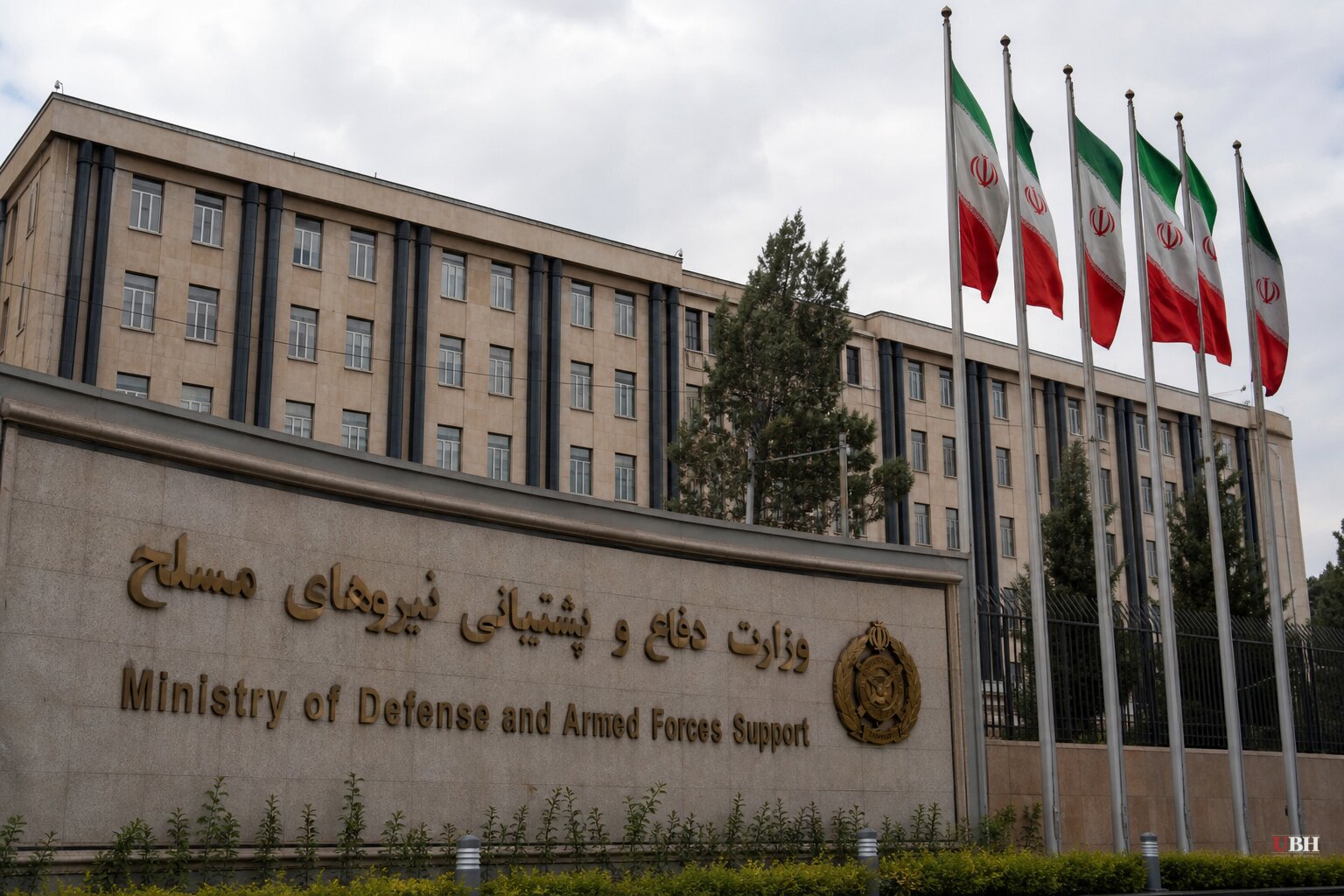
Iran's Defense Ministry says weapons production has doubled over the past year, with output of some "strategic and high-priority" items running at more than triple normal levels during the war itself, according to ministry spokesman Reza Talaei-Nik, cited by WANA on August 22. Talaei-Nik said the ministry now plans to triple overall defense production, with four- to five-fold increases in some categories.
The number of private and "knowledge-based" companies feeding Iran's defense supply chain rose from roughly 8,000 to between 9,300 and 9,400 over the past year, a 20% jump, Talaei-Nik said. He claimed 76% of defense research projects completed in the past year reached the product stage, and that Iran now produces more than 1,000 types of weapons and defense systems, ranking among the world's top 10 in missile capability. Some Iranian systems, he said, cost one-tenth to one-twentieth of comparable foreign hardware.
These are Iranian government claims, not independently verified figures, and Tehran has an obvious incentive to project strength after a war that killed its top leadership. A prediction-market analysis cited by the Jerusalem Post noted that betting markets have already priced in a lower chance of a near-term U.S.-Iran deal, reading the reported spending surge as inconsistent with a country preparing to negotiate.
New Commanders, Same Playbook
The military reshuffle under new Supreme Leader Mojtaba Khamenei reflects continuity rather than change, according to Fox News. Ali Abdollahi, the new chief of Iran's General Staff, joined the Islamic Revolutionary Committees after the 1979 revolution before moving into the IRGC. Kiumars Heydari, now deputy chief of the General Staff, previously described the army's suppression of the November 2019 protests as a "proud" mission and dismissed 2022 demonstrators as "flies." Ahmad Vahidi, a former Quds Force commander, has been elevated to command the IRGC itself.
This amounts to institutional continuity, not the generational shift toward accommodation that some U.S. officials hoped decapitating Iran's leadership might produce. Retired Marine Gen. Arnold Punaro told Fox that Iran's continued missile strikes on neighboring trade partners could even trigger an Article 5 response if a NATO member is hit.
Economic Pain at Home
While the regime rebuilds its arsenal, ordinary Iranians face mounting hardship. The Associated Press, via Breitbart, reported that unemployment is soaring and wages have lost roughly half their value over the past year, forcing families to cut fruit, protein and leisure spending. Tehran taxi driver Ahmad Karimi, 52, told the AP he now works 15-hour days, seven days a week, just to get by. At Tehran's Grand Bazaar, rice now costs 60% more than before the war and beef 150% more.
Hadi Kahalzadeh, an Iran economy expert at Brandeis University, told the AP that Iran's "resistance capacity" — built over decades of sanctions evasion, informal trade networks and a shadow oil fleet — is preventing economic pain from converting into the political pressure Washington is counting on. The Daily Wire reports Iran's oil exports fell as low as 65,000 barrels a day in May, down 69% from the 2.12 million barrels a day it exported before the war, according to Business Insider. The IMF projects Iran's economy will contract 5.4% in 2026 with inflation potentially hitting 68.9%, and its "Misery Index" has reached 91.1, the highest on record.
Trump's Political Cost
Reuters reporting carried by Al-Monitor shows the war is also costing Trump at home. His approval rating has fallen from 40% to 33% since the conflict began, according to Reuters/Ipsos polling, with only 31% of Americans approving of the war itself — a lower approval level at this stage than the Afghanistan war saw in Gallup surveys. Secretary of State Marco Rubio has told allies the U.S. is unlikely to launch new strikes "for the time being," Reuters reported, as the administration pivots toward the economic-pressure campaign Treasury Secretary Scott Bessent has called "Operation Economic Outcast."
Trump has argued Iran's missile buildup and nuclear ambitions left him no choice but to act, a position Al-Monitor notes he has not been able to sell to most voters. The left-leaning outlet Mondoweiss frames the war as a U.S. military defeat and claims America has lost 15 regional bases and depleted its missile defenses. Reuters, Fox News and Daily Wire reporting instead describe a costly stalemate with Iran's leadership decimated but not toppled. No U.S. or Israeli official statement in these sources concedes military defeat.
What happens next depends on whether Rubio's pause on new strikes holds through November's midterms, and whether Iran's rearmament claims translate into renewed attacks on shipping or neighboring states before then. Neither side has signaled it's ready to sign anything resembling a lasting deal.
Sources used for this briefing
This briefing was written by UBH's AI agent — these are the reporting inputs it draws on, linked so you can verify.


