
Unbiased headlines. Facts, not spin.
Unbiased Headlines is an independently owned news organization. We bring you the facts, not opinions, written fresh from 110+ named sources. Sources linked so you can verify it yourself.
 defense
Breaking / Critical (9/10)
Iran Says Diplomacy Still Open on Qatari Draft as White House Rules Out Strikes Before Nov. 3 Midterms
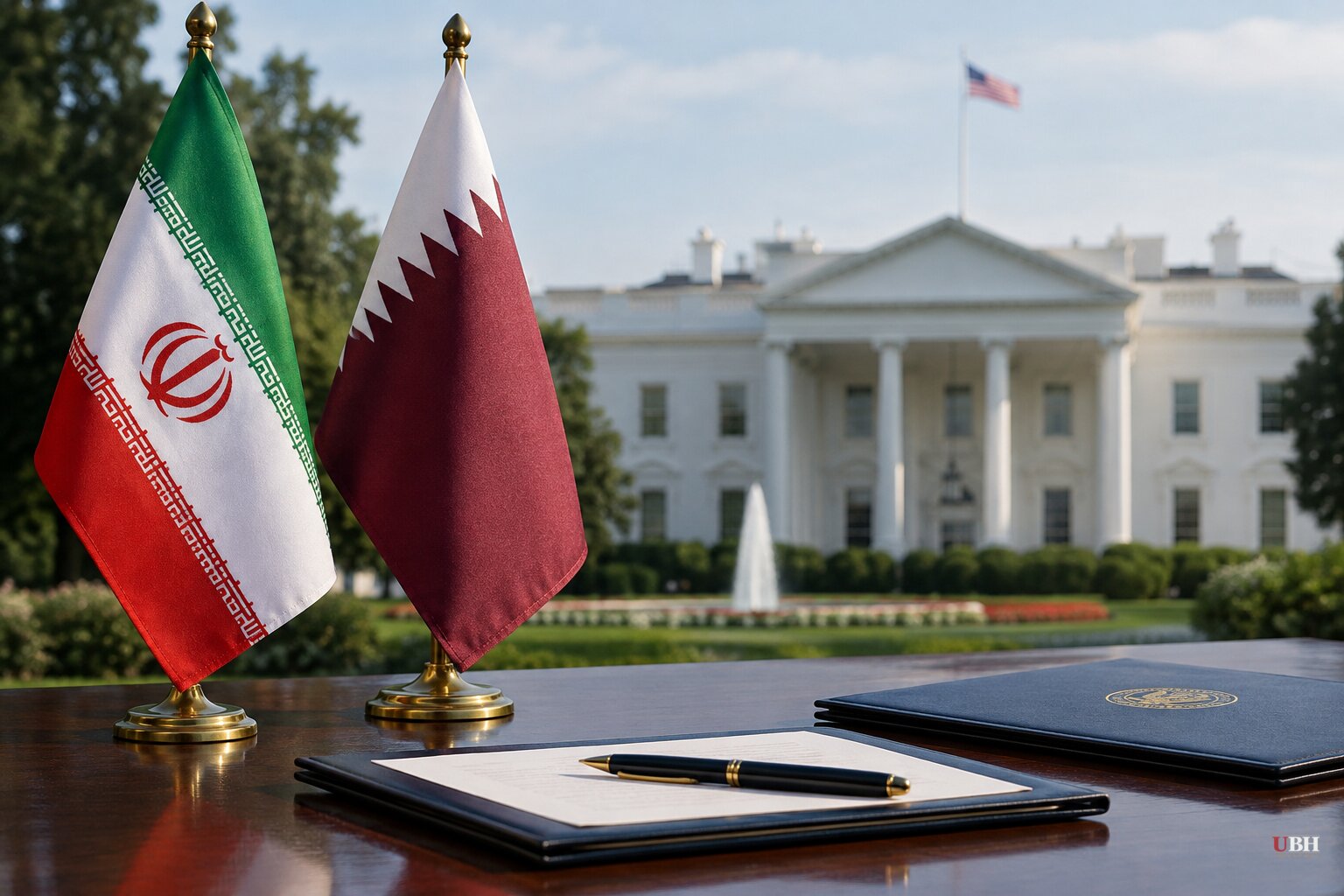
Since Qatari mediators handed Tehran a seven-day draft deal on Sunday, Oct. 25, the signals from both capitals have split: an Iranian official called it "unacceptable," while Iran's foreign minister says diplomacy is still alive.
Araghchi said Wednesday that Tehran remains in close contact with intermediaries on ways to implement an Iranian proposal to end the war. He said Iran "continues to give diplomacy a chance to succeed." He also raised the possibility that Tehran's seven-day plan could be put into effect in less than a week.
That is a softer tone than the dismissal earlier in the day. An Iranian official told Reuters the Qatari paper was full of "unacceptable ideas that did not amount to an offer." Tehran had not formally rejected it as of Wednesday afternoon.
What is in the Qatari draft
An official briefed on the talks, who is not Iranian, described the draft to Reuters. It sets a seven-day timeline addressing both Tehran's and Washington's concerns. It lays out daily confidence-building steps each side must take.
The timeline could start early next week. Several countries would act as guarantors. The official did not name them, and the reports do not specify what Iran or the U.S. would have to do on each day.
Qatar and Pakistan have led mediation since the U.S. and Israel launched the war in February. Araghchi has said Hormuz could reopen under his own seven-day proposal if certain conditions were met. President Trump rejected that plan, which led to the further Qatari mediation.
White House draws a line before the midterms
Anna Kelly, the White House principal deputy press secretary, told the Jerusalem Post that Iran is in "very bad condition, both economically and militarily."
"The blockade will remain in full force and effect, with oil flowing in record numbers of barrels through the Hormuz Strait," she said. "The United States will not be attacking Iran at any time prior to the midterms."
The pledge covers only the days before Nov. 3. The Wall Street Journal reported Wednesday that Washington has told Gulf states to prepare for a short, intense military campaign against Iran after the election, and that Trump is leaning toward a large strike. The White House has not publicly confirmed that account. Trump has said publicly that a development on Iran is expected very soon.
On Monday in Kansas, Trump said Iranian officials "wanted me to guarantee that we won't kill them like we killed the others." Axios reported that War Secretary Pete Hegseth met privately with Prime Minister Benjamin Netanyahu in Israel that day, as the two governments discuss possibly resuming operations against Iran. A Pentagon spokesperson declined to comment.
Regional pressure and a cable threat
The day after the Qatari draft was delivered, delegations from Saudi Arabia, Turkey and Pakistan visited Tehran to discuss de-escalation. Iran's Supreme National Security Council has described the meeting as an Iranian initiative to build regional security.
Saudi Arabia's concern is the Houthis. The Iran-backed group has attacked the kingdom repeatedly this month, including a strike on Riyadh's international airport that was the deadliest there in years. The Houthis said this week they fired a ballistic missile at the Ras Tanura refinery. Tehran denies any role and rejects Saudi accusations that it encouraged the escalation.
Iran has also floated a new form of pressure. Two Iranian officials told Reuters on Friday that if Iran is attacked, "there will be no more red lines from undersea cables to military bases." An IRGC official said Wednesday that Iran has plans to disrupt seven major data cables running under the Strait of Hormuz. IRGC spokesman Hossein Mohebbi made a similar warning Monday: "Seven major cables pass beneath the Strait of Hormuz, and all the world's internet and commercial data depend on them."
Cost and politics
The war has cost the U.S. military at least $47.1 billion as of mid-October, according to a U.S. Central Command estimate obtained by CBS News.
Israel's election adds a wrinkle. With 85% of ballots counted after Tuesday's vote, Netanyahu's right-wing bloc held a slight lead over the opposition bloc led by Gadi Eisenkot but was still short of a majority. Exit polls had projected that a majority of Israelis voted against Netanyahu's coalition. Hezbollah chief Naim Qassem said Wednesday his group does not care who wins and will continue its "resistance."
It is unclear whether Tehran's answer, due by the end of this week, arrives as a counteroffer, a formal rejection or silence. The Qatari timeline could start early next week, ahead of a Nov. 3 vote after which the WSJ reports a strike is being weighed.
Sources used for this briefing
7 links from 7 independent newsrooms (syndicated copies of the same report count once)
These are the sources it draws on, linked so you can verify.


