
Unbiased headlines. Facts, not spin.
Unbiased Headlines is an independently owned news organization. We bring you the facts, not opinions, written fresh from 110+ named sources. Sources linked so you can verify it yourself.
 defense
Major Story (7/10)
Healey's Budget Sets 2030 Target Date for 3% of GDP on Defence, Leaves Spending Path to Next Year's Review
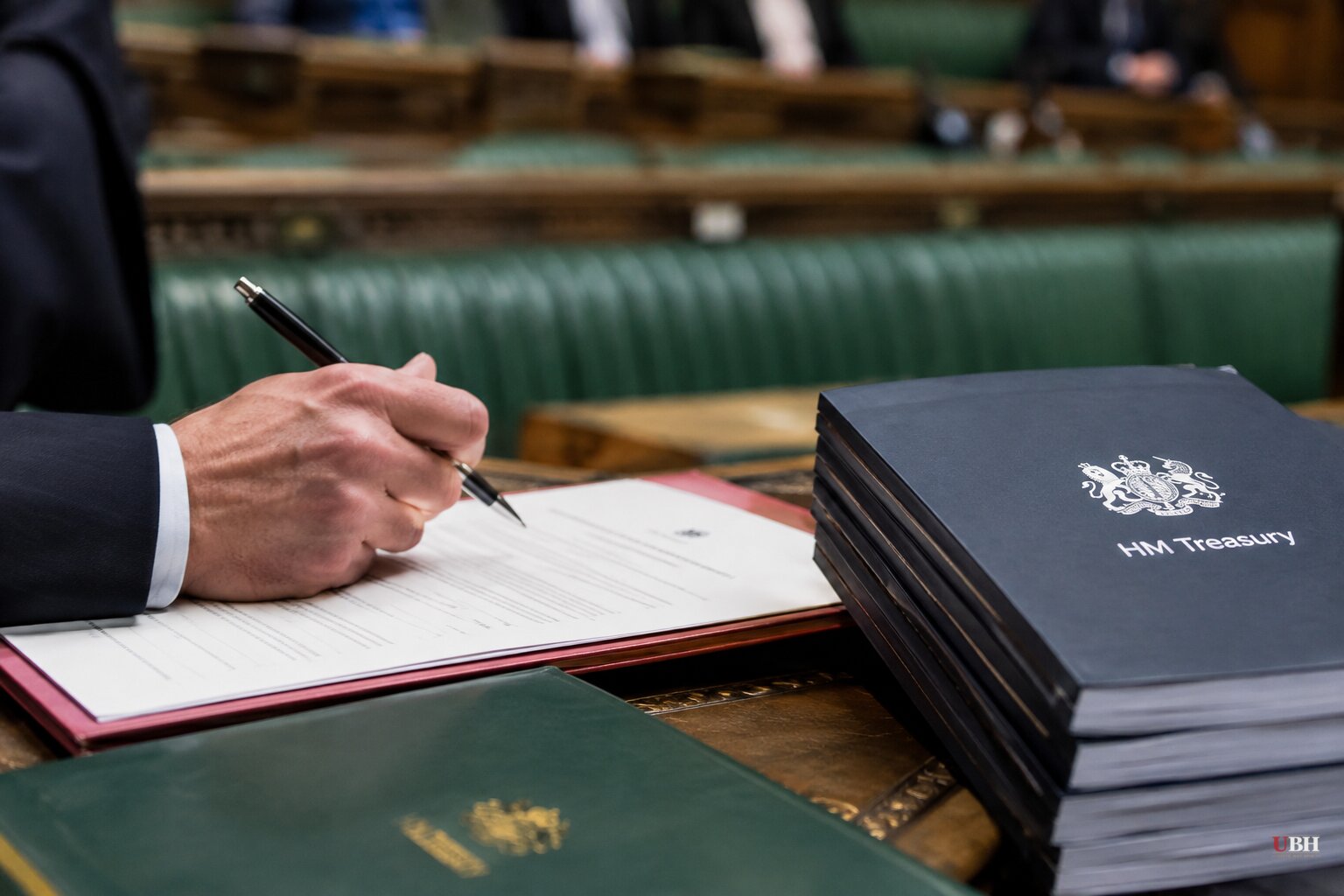
Two days after Prime Minister Andy Burnham promised on Oct. 26 that this week's budget would set out "the path to meet our NATO commitments," Chancellor John Healey delivered his first budget and put a date on it: 3% of GDP on defence by 2030.
The date comes with a catch. Healey did not publish annual increases.
"At the spending review next year, I confirm that I will set out the details of how we will meet our NATO commitment to spend 3.5% of GDP on defence by 2035, with a target date for 3% in 2030," he told MPs.
What the budget actually funds
Healey said the budget fully funds the June 2026 Defence Investment Plan, including "through capital reprioritisation." That covers a £4.7 billion shortfall in the plan over three years.
The Treasury's Red Book projects defence spending of £77 billion in 2028/29. That is £14.8 billion more than the £62.2 billion spent in 2025-26.
Britain currently spends around 2.6% of GDP on defence. The government had previously said only that it would reach 3% in the next parliament, with an election due by mid-2029 at the latest.
Healey also announced a £10 billion package for Ukraine, built on loans and export finance guarantees, plus urgent military funding for this winter. He said President Volodymyr Zelensky told him and the prime minister in a morning call, "you've made my day."
How he plans to pay for more
Healey announced four financing measures:
- A new Innovative Defence Financing Taskforce to work ahead of the spending review.
- Treaty negotiations on a multilateral defence mechanism, which he called a bank, with Finland, Poland and the Netherlands.
- A push for maximum private investment in the defence industrial base, including public-private partnerships.
- A new defence and dual-use focus for the National Wealth Fund and the British Business Bank, deploying up to £5 billion in investment and lending over four years.
He said the spending would "work twice: once for our national security, and once for British jobs and British business," naming Barrow, Rosyth, Aldershot, Plymouth, Glascoed and Belfast.
The gap between a date and a plan
The Office for Budget Responsibility has estimated that reaching 3% requires an additional £17.3 billion in 2029-30. The OBR has also projected that meeting the 3.5% target would take defence spending to £103 billion in 2035, at 2026/27 prices.
The Treasury documents carry no costing for either target. Defence outlet Defence Eye noted that the Red Book lists £34.5 billion of defence procurement capital in 2029/30, while the June plan had projected £79.1 billion in total defence spending. Its analysis is that at least £5 billion extra would have to be found that year.
The defence industry had asked for a steady rise in spending rather than a push beyond 2030, according to Reuters. A target date satisfies the first half of that request. The annual path remains unpublished.
The welfare argument
The politics of paying for it are already live. Burnham said national security cannot "come at the expense of social security," and the Conservatives stepped up their attacks over welfare spending in the days before the budget.
Burnham said opposition parties are telling him to "just make crude cuts to the welfare budget." He rejected that approach: "I personally think that won't work, and it isn't right to do that anyway." He said he would instead guarantee support for young people up front and offer in-work support.
Healey has framed the funding as a break from the past. He said Conservative governments spent fourteen years hollowing out the armed forces, and that this year's defence budget is £14 billion higher than in the last government's final year. He called it the biggest increase since the end of the Cold War.
The economic backdrop
Healey is spending against a tough fiscal backdrop. He told MPs the war in Iran and trade tensions are dragging on global growth and have pushed up British energy costs and interest rates. The UK will spend £14 billion more on debt interest this year.
The OBR forecasts borrowing of 4.2% of GDP this year, falling to 1.8% by 2030-31. It puts headroom against Healey's fiscal rules at £15 billion in 2029-30 and £22 billion in 2030-31. Its growth forecast for 2027 is 1%, down from the 1.6% it projected in March.
Healey's own history adds weight to the promise. He resigned as defence secretary earlier this year over what he described as underfunding of the military. That helped trigger the chain of resignations that ended Keir Starmer's premiership and brought Burnham to Downing Street.
The next test is the spending review in 2027. Healey has promised it will set out how Britain gets to 3% by 2030 and 3.5% by 2035, and that is where the £17.3 billion OBR figure has to be matched with real allocations.
Sources used for this briefing
7 links from 7 independent newsrooms (syndicated copies of the same report count once)
These are the sources it draws on, linked so you can verify.


