
Unbiased headlines. Facts, not spin.
Unbiased Headlines is an independently owned news organization. We bring you the facts, not opinions, written fresh from 110+ named sources. Sources linked so you can verify it yourself.
 defense
Breaking / Critical (9/10)
Iran Calls Qatari Draft 'Unacceptable Ideas, Not an Offer' as Oil Tops $115 and Hormuz Mine Threat Persists
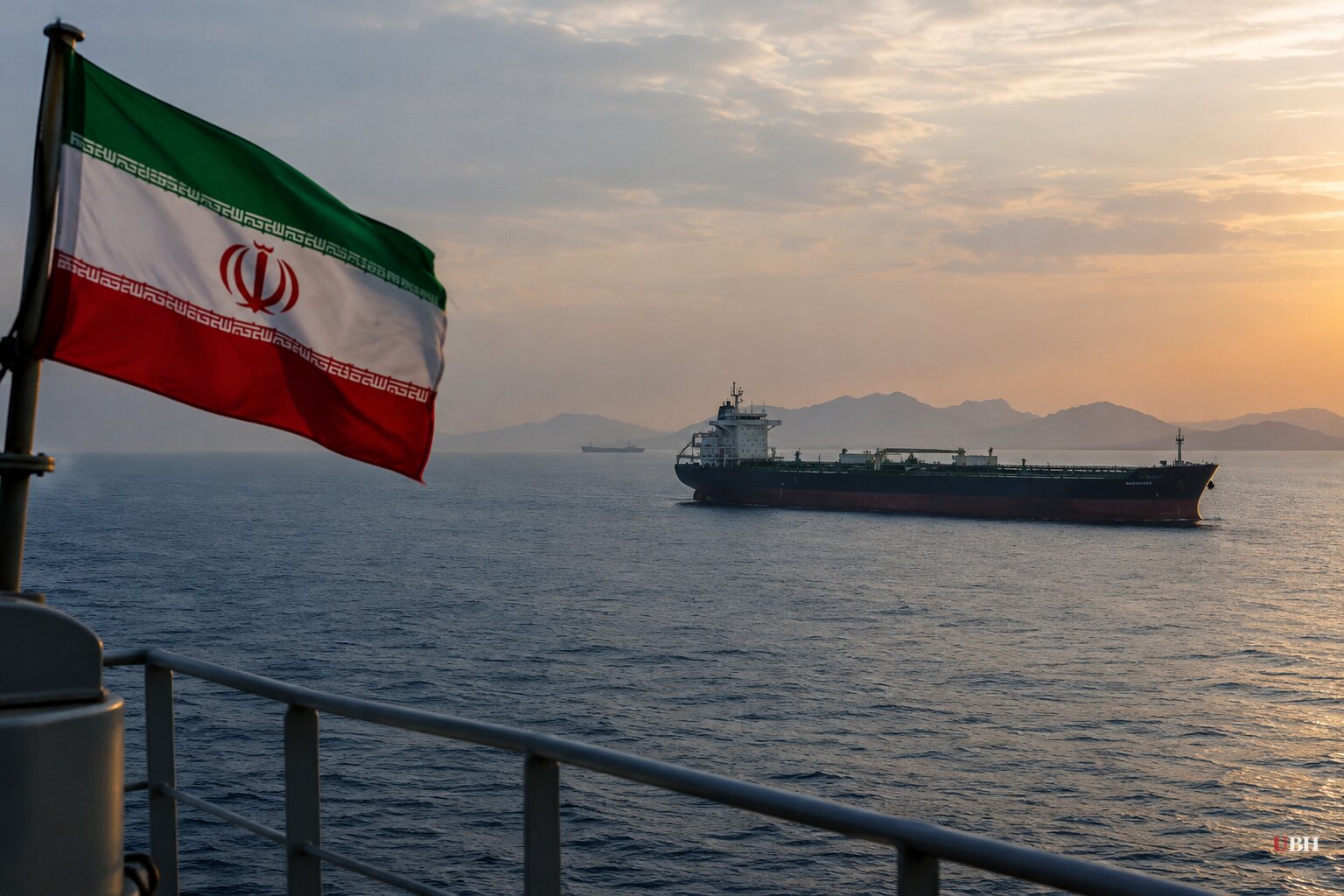
Since the U.S. and Israel launched the war on Feb. 28, an interim peace deal in June has collapsed, the Strait of Hormuz has stayed a contested shipping lane, and the fighting has spread to Saudi Arabia and Yemen. The newest mediation push is already being disputed by the two sides.
Two accounts of a Qatari draft
An official briefed on the negotiations, who is not Iranian, says Qatari mediators presented Iran with a new draft deal on Sunday, Oct. 25. According to that official, Tehran is considering it and is expected to respond by the end of the week.
The draft sets a seven-day timeline with daily confidence-building steps that each side must take. The official said the clock could start early next week and that several countries would act as guarantors.
A senior Iranian official involved in the talks gave a very different account. "The only thing we received was a list of unacceptable ideas. We will not make concessions on the nuclear issue," the official said. The official described the Qatari material as "unacceptable ideas and not an offer."
The two accounts cannot both be right about what Doha handed over. Neither official is named, and the details of the draft have not been made public.
The sticking point is order of operations
Washington wants Iran's nuclear program on the table from the start. Tehran says its own conditions come first: an end to the U.S. blockade of Iranian ports and the lifting of sanctions on Iranian oil exports.
Iran rejects Western concerns that its nuclear program has a military purpose. The senior Iranian official said Tehran's policy of showing no flexibility on the nuclear issue is unchanged.
This is a repeat of the stalemate in late September. Foreign Minister Abbas Araqchi then offered a separate seven-day plan under which Hormuz could reopen if certain conditions were met. President Donald Trump rejected it, and Qatar went back to mediating. The official briefed on the talks said the current draft differs from Araqchi's. Qatar and Pakistan have led mediation throughout. The official added that Qatari mediators coordinated with Washington before going to Tehran.
The same official said there were concerns ahead of Sunday's meeting that Israeli Prime Minister Benjamin Netanyahu, who is campaigning in a general election, could resume attacks on Iran this week. Trump renewed his own threats to strike Iran on Friday.
Houthis open a Saudi front
In recent weeks, Yemen's Houthi forces have launched repeated attacks on Saudi Arabia, the world's largest crude exporter and a key U.S. ally. Fighting intensified last month as the Houthis advanced against Saudi-backed forces toward the Bab el-Mandeb strait.
Oil rose more than 1% to above $115 a barrel on Wednesday, Oct. 28, after a Houthi attack on Ras Tanura, Saudi Arabia's largest oil refinery. The higher price is felt at every pump and factory while the war remains unresolved.
Mines in Hormuz
On Saturday, Oct. 17, Iran's Revolutionary Guard navy said two oil tankers caught fire after striking naval mines while crossing the strait. Iranian state media said the vessels were carrying about 2 million barrels of crude each. It also said they had switched off their positioning and radar systems and taken a route Tehran had not authorized. The second tanker was left immobilized, according to Iran's account. No independent verification of those claims has been presented.
IMO Secretary-General Arsenio Dominguez says mines remain a danger. "The traffic separation scheme, the information that we have is that they still have mines," he told Fox News Digital. He added that while the conflict continues it is very difficult to use third parties to verify the waterway is clear.
"We cannot guarantee that a vessel that intends to transit that route will not be hit by a mine," Dominguez said.
Dominguez said the only IMO-recognized route is the one adopted in 1968 and shown on all charts. Iran runs its own passage through its territorial waters, with tolls and safety fees administered by the Revolutionary Guard. Washington and the IMO reject that arrangement as inconsistent with international maritime law.
What comes next
Tehran's answer to the Qatari draft is due by the end of this week. If Iran engages, the seven-day sequence could start early next week. If it holds to the position its senior official stated, the blockade, the sanctions and the nuclear question remain exactly where they stood in September.
Sources used for this briefing
6 links from 6 independent newsrooms (syndicated copies of the same report count once)
These are the sources it draws on, linked so you can verify.


