
Unbiased headlines. Facts, not spin.
Unbiased Headlines is an independently owned news organization. We bring you the facts, not opinions, written fresh from 110+ named sources. Sources linked so you can verify it yourself.
 defense
Breaking / Critical (9/10)
US Has Told Gulf Allies to Brace for 'Short, Intense' Iran Campaign After Midterms, People Briefed Say
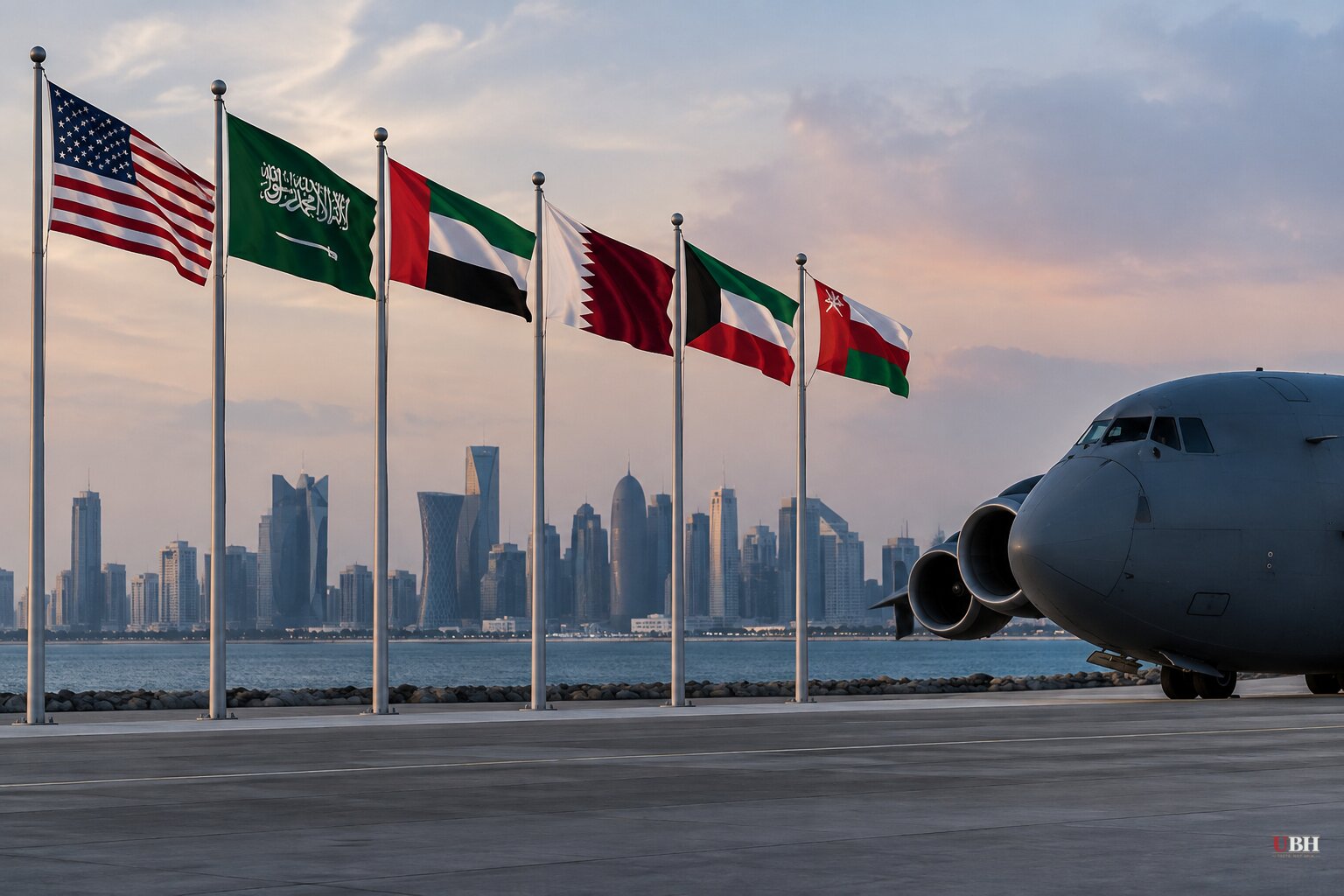
Since the U.S. and Israel launched their war on Iran on Feb. 28, and since a June memorandum of understanding collapsed over navigation in the Strait of Hormuz, the standoff has moved to a new phase. The U.S. has told several Gulf Arab countries to prepare for a short, intense military campaign after the Nov. 3 midterm elections, people briefed on the conversations told the Wall Street Journal on Tuesday, Oct. 27.
The messages went through diplomatic and military channels. President Donald Trump has not decided to go ahead, but he is leaning toward a large post-election attack that could hit Iranian infrastructure and nuclear sites, according to people familiar with his thinking.
The alternative is a deal. Regional mediators are still working, and so far they have nothing to show for it.
The military buildup
Officials told the Journal that a Patriot missile defense system is being brought in from Texas and that troops have been moved off bases where they were vulnerable. U.S. forces are restocking munitions, and bombers and fighters are being readied for strikes.
An additional carrier strike group and a Marine expeditionary unit are expected to join roughly 20 other warships in the Middle East next month, although some ships could rotate out.
The New York Times, citing American officials and others briefed on the preparations, reported that the U.S. and Israel have drawn up plans for a campaign of about three days. It would target nuclear facilities, missile and drone stockpiles, and energy infrastructure. Some planners believe a concentrated blow could force concessions from Iran's battered economy, the Times reported. Others doubt it would break the diplomatic deadlock.
CNN reported that U.S. forces could launch major operations within 96 hours of an order from Trump. Some officials expect any order to come after the midterms.
The State Department has ordered non-emergency staff out of Saudi Arabia effective Oct. 23. Etihad has cancelled Abu Dhabi flights to Riyadh, Dammam and Jeddah through Nov. 5. The UK has warned that the risk of sudden escalation in the UAE and 14 other countries "remains high."
What Trump has said
The White House would not comment on "sensitive military plans that may or may not exist." It said Trump "keeps all options on the table to ensure that Iran can never have a nuclear weapon."
At a rally in Lubbock, Texas, on Tuesday, Trump said: "You'll see Iran in a couple of weeks, if you don't mind." He added that "it could be over whenever I wanted it to be over."
Last week he told another rally: "We may do another little Epic Fury. Or they'll agree." Trump has said he will not attack Iran before the midterms, which are six days away.
War Secretary Pete Hegseth visited Israel on Monday and met Prime Minister Benjamin Netanyahu at Ovda Air Base. He confirmed the meeting but would not describe it. "If they're not willing to give it up and the president asks to go even further, we're prepared," Hegseth told reporters Tuesday.
Trump endorsed Netanyahu ahead of Israel's Oct. 27 election and warned that the U.S. and Israel would "soon finish the job" unless Tehran changed course. With the count still under way, Netanyahu's bloc was projected at 57 seats, short of a majority, with Gadi Eisenkot's bloc at 47.
The competing diplomatic track
Gulf states are working on a multipart deal they hope will head off a renewed war, which they regard as disastrous. As described in the Guardian's reporting, the plan would reopen Hormuz within four days of sanctions being lifted, and the Houthis would withdraw substantial forces inside Yemen.
Ali Bagheri, deputy secretary of Iran's national security council, said Iran is willing to shorten its proposed window from seven days after sanctions relief to four.
The sticking point is the nuclear file. European diplomats believe readmitting UN weapons inspectors to Iran's bombed nuclear sites is the minimum needed to move Trump. British Foreign Secretary Ed Miliband pressed Iranian Foreign Minister Abbas Araghchi on this in New York. Iran refused and says it will only discuss its nuclear program in principle.
At the U.N. Security Council on Tuesday, U.S. Ambassador Mike Waltz said Washington and its partners "will never let you obtain a nuclear weapon to terrorize the world." He cited IAEA chief Rafael Grossi's demand that Iran deliver "answers, not speeches."
Iran has shown some flexibility on Yemen. Mohsen Rezaei, secretary of its supreme national security council, met the Houthi ambassador to Tehran on Tuesday. That came a day after a delegation from Saudi Arabia, Turkey and Pakistan visited Tehran. The Houthis are demanding that Saudi Arabia lift what they call a naval and air blockade of their territory.
Iran steered that meeting away from its nuclear program toward a broader regional security arrangement that would shrink or end the U.S. presence in the region.
Cost and strategy
Internal Pentagon figures obtained by Reuters put U.S. spending on the war above $47 billion. That is more than 25% over the Defense Department's July estimate. Munitions replenishment accounts for more than $29 billion, and equipment replacement for more than $6 billion. The estimates leave out the cost of repairing U.S. facilities hit by Iranian drones and missiles.
Not everyone who favors confronting Iran is sold on the plan. Behnam Ben Taleblu, senior director of the Iran program at the Foundation for Defense of Democracies, said that if there is a need to hit a threat like missile reconstitution, "President Trump should make that case publicly and with as much detail as possible."
A strike would also end the economic campaign now in place. Tighter sanctions and a naval blockade have cut off Iran's oil sales for months.
The next marker is Nov. 3. Whether Trump orders a strike or accepts a Hormuz-for-sanctions deal depends on whether Iran lets inspectors back in.
Sources used for this briefing
7 links from 6 independent newsrooms (syndicated copies of the same report count once)
These are the sources it draws on, linked so you can verify.


