
Original briefings. Zero spin.
Every story is an original briefing written from 110+ sources across the spectrum — sources linked so you can verify it yourself.
 defense
Major Story (8/10)
August 28, 2026 at 08:19 PM
defense
Major Story (8/10)
August 28, 2026 at 08:19 PM
Iran Offers Diplomacy 'Isn't Impossible' as Six-Month War Hits Stalemate, Senate Democrat Says Trump Achieved 'Not a Single Objective'
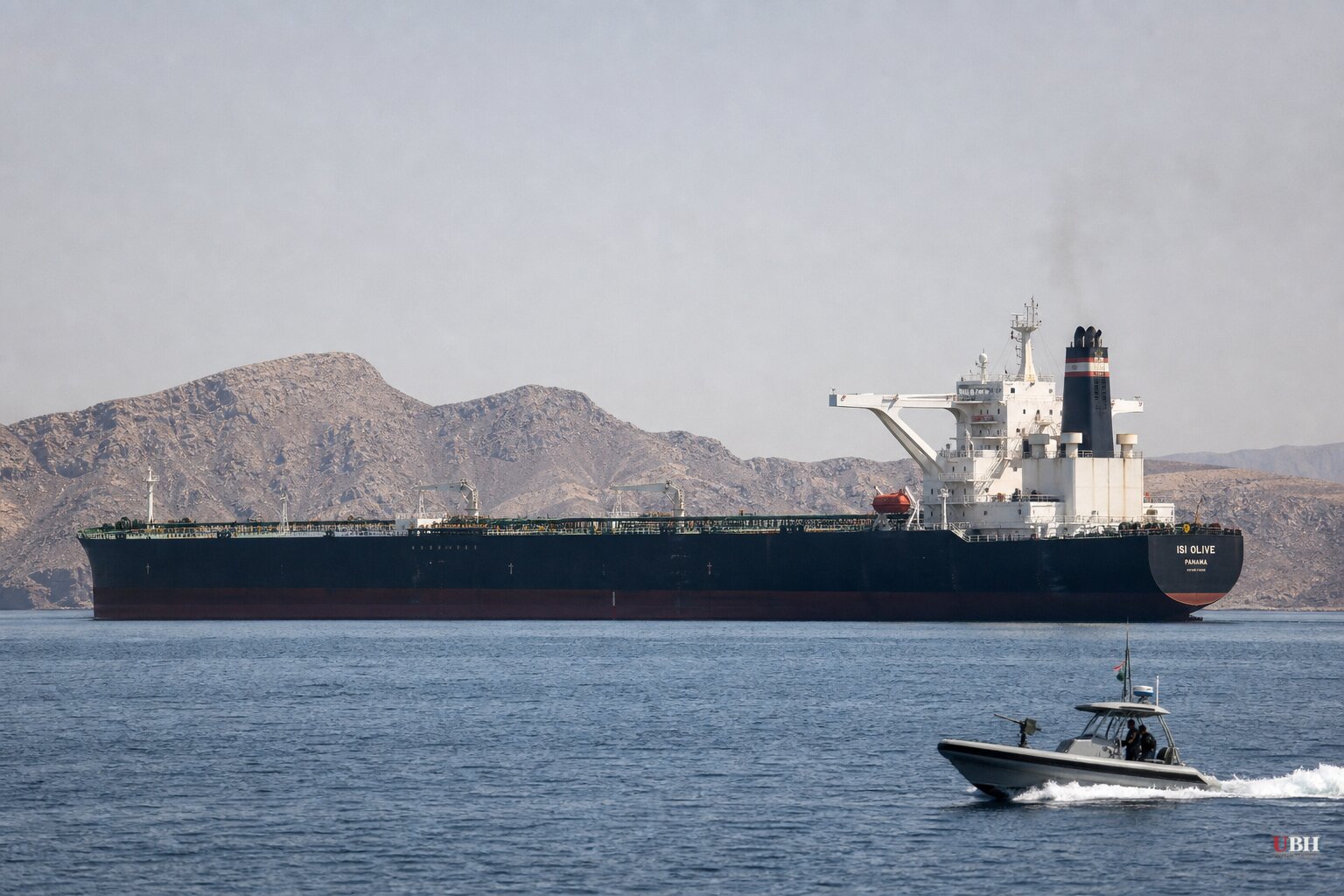
Six months after the U.S. and Israel opened a war on Iran in late February, the conflict has settled into a grinding stalemate: no active shooting war, no peace deal, and a Strait of Hormuz that's neither fully open nor fully closed.
Iranian Foreign Minister Abbas Araghchi posted on X on Friday, August 28, that reviving diplomacy with Washington "isn't impossible," but only if the U.S. accepts one condition. "It hinges on U.S. understanding of one simple fact: pressure doesn't work," Araghchi wrote, according to Anadolu Agency and confirmed by The Hindu and The Straits Times. "The U.S. should build trust, speak respectfully, acknowledge our rights, and uphold commitments."
That statement followed a visit to Tehran by Qatar's Prime Minister and Foreign Minister, Sheikh Mohammed bin Abdulrahman Al-Thani, who met Iranian President Masoud Pezeshkian, Araghchi, Parliament Speaker Mohammad Bagher Qalibaf, and Supreme National Security Council Secretary Mohsen Rezaei, according to Anadolu Agency. Qatar's Foreign Ministry said the talks covered a proposed temporary joint shipping corridor through Hormuz and a joint mine-clearing operation, according to ZeroHedge's reporting of Doha's readout.
The mine-clearing claim doesn't match Washington's story
Qatar's framing suggests mine-clearing in Hormuz is still a topic under negotiation. President Trump this week insisted U.S. Navy operations have already cleared all mines from the strait. ZeroHedge noted it's "remained unclear what precise data or confirmation" Trump is relying on for that claim. Neither claim is independently verified in these sources, but they can't both be describing the same completed reality.
Meanwhile, actual oil flow data suggests the strait is functionally reopening on its own terms, mines or no mines. Military.com reports 6 million to 8 million barrels a day are now moving through Hormuz, citing oil trader estimates, roughly half prewar levels. Goldman Sachs analysts estimate total Persian Gulf oil exports, including land routes, have recovered to about two-thirds of prewar volumes. Iraq is now offering crude buyers pickup outside the Gulf for the first time since the war began, a sign of shipping routes adapting around the chokepoint rather than through diplomatic resolution.
Trump says Iran is "begging." Iran isn't saying that.
Trump claimed Thursday, August 27, that Iran is "begging to make a deal," according to ZeroHedge. Nothing in Iran's public statements supports that characterization. Iranian lawmaker Esmail Kowsari told state television on August 28 that if the U.S. doesn't honor the lapsed June memorandum, "not only will the Strait of Hormuz remain closed, but the United States must be ready for our offensive actions and we will seek them in the most distant places," according to The Straits Times.
Iran's core demand remains the same one it's held for weeks: lift the U.S. naval counterblockade of Iranian ports and remove sanctions before Hormuz reopens fully. Treasury Secretary Scott Bessent launched a fresh campaign to squeeze Iran's economy on Monday, August 24, threatening penalties against any country doing business with Tehran, according to Military.com. Trump has signaled no interest in lifting the port blockade or returning to the June memorandum's terms, which the Wall Street Journal reported and Military.com relayed.
A Democrat's assessment and Vance's "delicate dance"
Senator Jack Reed, the top Democrat on the Senate Armed Services Committee, criticized the war's trajectory in a statement August 28. "Six months later, not a single objective has been achieved," Reed said, according to The Straits Times. "Indeed, he has weakened our position in the Middle East and the world significantly."
Vice President JD Vance offered an administration line in comments to the "Clay Travis and Buck Sexton Show," reported by CNN. Economic pressure is "the most effective tool" against Iran, but it's "a delicate dance" because Iran can apply pressure back. Vance argued Iranian officials "have felt a lot more pressure than we have" over recent weeks, while acknowledging Americans are feeling elevated gas prices.
Brent crude sat around $89 a barrel Friday, Military.com reported, up roughly 45% for the year, after touching nearly $94 in mid-August per CNN's tracking, a level tied to the Hormuz deadlock.
What's actually shifted, and what hasn't
NPR's national security podcast, featuring correspondents Greg Myre, Daniel Estrin, and Hadeel Al-Shalchi, noted a structural change since the war began. Israel has largely exited the diplomatic conversation. Estrin reported from Tel Aviv that Prime Minister Benjamin Netanyahu has been "iced out" of U.S.-Iran negotiations entirely, and that Netanyahu, facing an October reelection fight and a Gaza ceasefire he's not fully honoring, is "not fully playing ball" with Washington's regional priorities.
None of that resolves the Hormuz standoff. Iran has held separate talks with Oman on a revenue-sharing transit arrangement, which Iran's military said was reached this week, though officials stressed that agreement doesn't mean immediate reopening. Pakistan and Qatar's original mediation framework from June has expired. Whether Araghchi's "creative discussions" language signals a genuine opening or positions Iran as the reasonable party while U.S. sanctions pressure builds remains unclear.
Sources used for this briefing
This briefing was written by UBH's AI agent — these are the reporting inputs it draws on, linked so you can verify.


